

Have you ever dreamed of plucking fresh, juicy lemons right from your own backyard? If you’ve planted a Meyer lemon tree, you might be wondering how long you’ll have to wait before you can enjoy that delicious fruit. It’s a common question for new gardeners eager to reap the rewards of their hard work.
Key Takeaways
- Meyer Lemon Tree Basics: These trees typically begin producing fruit 1-2 years after planting if purchased from a nursery, while seed-grown trees may take 3-6 years.
- Optimal Growing Conditions: For successful fruiting, Meyer lemon trees require at least 8 hours of direct sunlight, well-draining soil rich in organic matter, and stable temperatures between 65°F and 85°F.
- Essential Care Practices: Regular watering (moist but not waterlogged), balanced fertilization every 4-6 weeks during the growing season, and appropriate pruning in early spring are crucial for promoting growth and fruit production.
- Factors Influencing Fruit Production: The age of the tree, growing conditions, soil quality, watering habits, and fertilization practices all significantly impact how quickly a Meyer lemon tree bears fruit.
- Common Challenges: Pests like aphids and spider mites, as well as diseases such as root rot, can hinder fruit production. Regular monitoring and maintenance are necessary to prevent and address these issues.
- Environmental Stress Management: Protect the tree from temperature extremes, ensure adequate sunlight, and provide wind protection to minimize stress and support healthy growth and productivity.
Understanding Meyer Lemon Trees
Meyer lemon trees are popular choices for home gardens, known for their sweet, fragrant fruit. They bring a delightful citrus flavor to dishes, making them a sought-after addition to any backyard.
Characteristics of Meyer Lemon Trees
Meyer lemon trees differ from standard lemon trees in several ways. You’ll notice a compact size, usually ranging from 3 to 6 feet tall. They feature glossy, dark green leaves and produce lavender flowers. The fruit is rounder and less acidic than traditional lemons, with a smooth skin that turns a deep yellow when ripe.
You can expect to see fruit production under certain conditions. Mature trees, typically aged 2 to 3 years, start to bear fruit. However, some gardeners might witness fruit as early as the first year if environmental factors align perfectly.
Ideal Growing Conditions
Meyer lemon trees thrive in warm, sunny environments. Aim for at least 8 hours of direct sunlight each day. Plant in well-draining soil, rich in organic matter, to promote healthy growth.
Water adequately, allowing the top inch of soil to dry out between watering sessions. Overwatering can lead to root rot, while underwatering stresses the tree. Maintain a temperature between 65°F and 85°F for optimal health. These trees can tolerate slightly cooler nights, but freezing temperatures can cause damage.
Fertilization plays a crucial role. Use a balanced, slow-release fertilizer every 6 to 8 weeks during the growing season to support vigorous growth and fruiting. Pay attention to your tree’s needs, and adjust care accordingly for fruitful harvests.
Timeframe for Fruit Production
Growing Meyer lemon trees is exciting, especially when you anticipate their delicious fruit. Let’s dive into the timeline for fruit production and what influences it.
Recommended Products

Made for Lemon & Citrus Trees – Formulated to support healthy growth in lemon and citrus plants.

Balanced Organic Nutrition – Supplies a 6‑3‑3 NPK ratio along with calcium, sulfur, iron, and zinc to foster healthy foliage, flowering, and fruit.

Made for Lemon & Citrus Trees – Formulated to support healthy growth in lemon and citrus plants.
From Seed to Fruit
Starting from seed, a Meyer lemon tree typically takes about 3 to 6 years to produce fruit. If you choose to plant a nursery-bought tree, the wait shortens to about 1 to 2 years. Under optimal conditions—like ample sunlight, proper watering, and regular fertilization—you might see flowers and small fruits even in the first year.
Factors Influencing Fruit Production
Several factors can impact how quickly a Meyer lemon tree bears fruit:
- Age of the Tree: Older trees, generally between 2 and 3 years, produce more fruit than younger ones.
- Growing Conditions: Warm temperatures, at least 60°F (15°C), and 8 hours of direct sunlight per day support healthy growth.
- Soil Quality: Well-draining soil rich in organic matter promotes optimal health and fruit production.
- Watering Practices: Consistent but not excessive watering encourages strong roots and early fruiting.
- Fertilization: Regular feeding with a balanced fertilizer boosts growth and productivity.
Understanding and optimizing these factors helps you enjoy a fruitful Meyer lemon harvest sooner.
Care Tips for Young Meyer Lemon Trees
Caring for your young Meyer lemon tree ensures healthy growth and encourages fruit production. Focus on these key aspects: watering and fertilization, and pruning and sunlight requirements.
Recommended Products

Made for Lemon & Citrus Trees – Formulated to support healthy growth in lemon trees and citrus plants
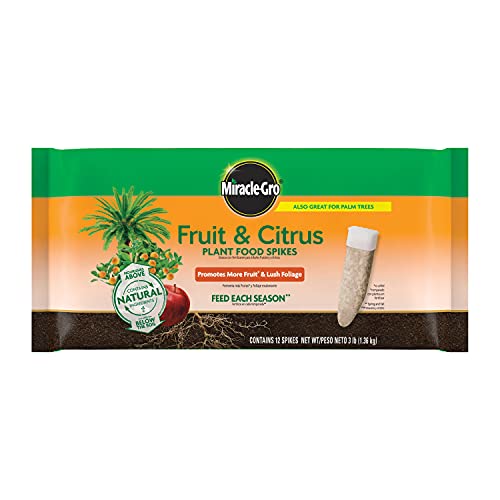
FORMULATED FOR CITRUS AND FRUIT TREES: Use these citrus fertilizer spikes on apple, orange, lemon, lime, and avocado trees; this formula is also great for feeding palm trees

Down To Earth Citrus Mix is a five pound box of all natural fertilizer with 6-3-3 formula and is listed by the Organic Materials Review Institute (OMRI) for use in organic production
Watering and Fertilization
Water your Meyer lemon tree regularly to keep the soil consistently moist but not waterlogged. Check the top inch of soil; if it feels dry, give it a good drink. During the growing season, from spring to early fall, apply a balanced fertilizer every 4 to 6 weeks. A fertilizer with a higher nitrogen content helps promote leaf growth. In the dormant winter months, reduce watering and fertilization to allow the tree to rest.
| Season | Watering Frequency | Fertilization Frequency |
|---|---|---|
| Spring | Once a week | Every 4 to 6 weeks |
| Summer | Twice a week | Every 4 to 6 weeks |
| Fall | Once a week | Every 4 to 6 weeks |
| Winter | Every 2 to 3 weeks | None |
Pruning and Sunlight Requirements
Prune your Meyer lemon tree to maintain its shape and remove any dead or crowded branches. This practice encourages better air circulation and light penetration. Pruning should occur in early spring, just before active growth starts. Aim for a balanced shape, allowing sunlight to reach all parts of the tree.
Provide your Meyer lemon tree with at least 8 hours of direct sunlight each day. If you’re growing it indoors, place it near a south-facing window. For outdoor trees, select a sunny spot with protection from strong winds. Adequate sunlight ensures strong growth and boosts fruit production.
Common Challenges in Fruit Production
Meyer lemon trees face several challenges that can hinder fruit production. Understanding these issues helps in managing your tree effectively.
Recommended Products


NEEM OIL SPRAY FOR PLANTS – A fast-acting, multipurpose neem spray designed for indoor plants, houseplants, and garden use. This ready-to-use plant spray combines cold-pressed neem oil with a balanced botanical blend to solve common plant care issues while supporting healthy, resilient leaves.
Pests and Diseases
Pests and diseases can significantly affect Meyer lemon trees. Common pests include aphids, spider mites, and scale insects, which suck sap and weaken the tree. Look for signs like discolored leaves or sticky residue.
To prevent infestations, regularly inspect your tree and use insecticidal soap or neem oil if needed. Diseases such as root rot and citrus greening can also pose risks. Ensure proper drainage and avoid overwatering to combat root rot. For citrus greening, consider testing soil and plant health as treatments are limited.
Environmental Stress Factors
Environmental stress factors impact fruit production as well. Temperature fluctuations can stress your tree, especially if it drops below 30°F (-1°C) or exceeds 100°F (38°C). Maintain a stable environment by placing your tree in a location protected from harsh conditions.
Additionally, insufficient sunlight can hinder growth. Ensure your tree gets at least 8 hours of direct sunlight daily. Wind exposure may cause damage, so providing a windbreak can help protect your Meyer lemon tree. Regular monitoring of these environmental factors is essential for healthy growth and fruitful harvests.
Conclusion
Growing a Meyer lemon tree can be a rewarding journey filled with anticipation. With the right care and conditions you can enjoy the sweet and fragrant fruit sooner than you might think. Remember that patience is key as your tree matures and begins to produce.
By focusing on optimal sunlight watering and fertilization you can set the stage for a bountiful harvest. Keep an eye out for pests and environmental stressors to ensure your tree stays healthy. Before you know it you’ll be harvesting your own delicious Meyer lemons right from your backyard. Happy gardening!
Frequently Asked Questions
How long does it take for a Meyer lemon tree to bear fruit?
A Meyer lemon tree grown from seed typically takes about 3 to 6 years to produce fruit. In contrast, nursery-bought trees may yield fruit within 1 to 2 years under ideal growing conditions.
What are the ideal growing conditions for Meyer lemon trees?
Meyer lemon trees thrive in areas with at least 8 hours of direct sunlight, well-draining soil, and proper watering practices. They prefer warm temperatures and benefit from regular fertilization to support healthy growth.
What care tips should I follow for young Meyer lemon trees?
For young Meyer lemon trees, maintain consistent soil moisture with regular watering, apply balanced fertilizer every 4 to 6 weeks during the growing season, and prune in early spring to enhance shape and airflow. Ensure they get adequate sunlight.
What pests commonly affect Meyer lemon trees?
Common pests that can affect Meyer lemon trees include aphids and spider mites. Regular inspections and the use of insecticidal soap can help manage these pests and maintain the health of your tree.
How can environmental stress affect Meyer lemon fruit production?
Environmental stress, such as temperature fluctuations and insufficient sunlight, can hinder fruit production in Meyer lemon trees. Maintaining a stable environment and protecting the tree from harsh conditions are essential for ensuring healthy growth and fruitful harvests.
