

Growing almond trees in Honolulu, HI can be a rewarding venture if you choose the right varieties and provide proper care. The warm climate and fertile soil of Hawaii create ideal conditions for successful almond cultivation.
Best Almond Varieties for Tropical Climates
Choosing the right almond variety is crucial for successful growth in Honolulu. Some varieties thrive in tropical climates, while others may struggle. The Tuono and Carmel varieties are well-suited for warmer environments and have shown resilience against pests and diseases.
Best Almond Varieties for Tropical Climates
When cultivating almond trees in the warm, tropical climate of Honolulu, selecting the right variety is crucial for success. This section highlights the best almond varieties that thrive in such conditions, ensuring a fruitful harvest while adapting to the unique challenges posed by the environment. Discover which types are most suitable for your tropical backyard.
Tuono: Known for its high yield and adaptability to warm climates.
Carmel: Offers a good balance of flavor and hardiness.
Nonpareil: A popular choice, though it may require more care in humid conditions.
| Variety | Yield Potential | Disease Resistance | Flavor Profile |
|---|---|---|---|
| Tuono | High | Moderate | Sweet |
| Carmel | Moderate | High | Rich |
| Nonpareil | High | Low | Classic |
Backyard Preparation for Almond Tree Growth
Preparing your backyard for almond tree growth in Honolulu requires careful consideration of the local climate and soil conditions. By understanding the specific needs of these trees, you can create an optimal environment that promotes healthy growth and abundant harvests. This section will guide you through essential steps to ensure your backyard is ready for successful almond cultivation.
Preparation is key to successful almond tree growth. Start by selecting a sunny location with well-draining soil. Almond trees prefer sandy loam, so consider amending heavy clay soil with organic matter to improve drainage.
Optimal Soil and Sunlight for Almond Trees
Almond trees thrive in specific environmental conditions, and understanding the optimal soil and sunlight requirements is crucial for successful cultivation in Honolulu, HI. This section explores the best practices for soil composition and sunlight exposure, ensuring that your tropical backyard can support healthy almond growth and maximize yield.
Sunlight: At least 6 hours of direct sunlight daily.
Soil pH: Aim for a pH between 6.0 and 7.5.
Drainage: Ensure good drainage to prevent root rot.
Optimal Timing for Planting Almond Trees
Timing and technique are essential when planting almond trees. The best time to plant is in the spring after the last frost. Dig a hole twice the size of the root ball and mix in compost to enrich the soil.
Optimal Planting Techniques for Almond Trees
Successfully growing almond trees in Honolulu requires an understanding of optimal planting techniques tailored to the region’s unique climate. From soil preparation to spacing and watering, these methods ensure that your almond trees thrive in a tropical backyard setting. Implementing these best practices can lead to a fruitful and sustainable harvest.
Choose Location: Select a sunny spot.
Prepare Soil: Amend soil with compost.
Dig Hole: Make it twice the size of the root ball.
Plant Tree: Position the tree and fill with soil.
Water Thoroughly: Ensure the roots are well-hydrated.
Almond Tree Maintenance in Tropical Environments
Maintaining almond trees in tropical environments like Honolulu presents unique challenges and opportunities. Understanding the specific needs of these trees, from watering to pest management, is crucial for thriving growth. This section delves into effective maintenance practices tailored to ensure success in a tropical backyard setting.
Regular maintenance is vital for healthy almond trees. Watering, pruning, and pest control are essential components of care. Monitor for signs of pests like aphids and scale insects, and take action promptly.
Recommended Products

INSECT KILLER: Fast-acting formula kills listed insects including aphids, Japanese beetles, caterpillars, whiteflies, and other listed pests on contact

READY-TO-USE CONTACT SPRAY: No mixing required. Thoroughly spray insecticide on all plant parts, including the underside of leaves. Pests must be sprayed directly to achieve control
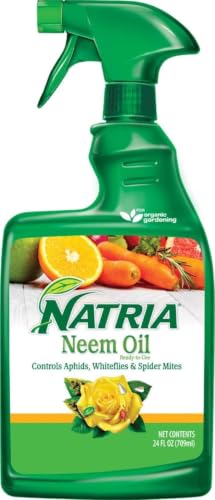
PLANT DISEASE CONTROL: Natria Neem Oil acts as an insecticide and fungicide in one convenient spray; Ready-to-use trigger sprayer requires no mixing
Almond Tree Watering Techniques
Proper watering techniques are crucial for the successful growth of almond trees in Honolulu’s tropical climate. Understanding the specific needs of these trees can help ensure they thrive, producing healthy nuts while adapting to local conditions. This section explores effective watering strategies tailored to the unique environment of Hawaii.
Watering: Water deeply once a week during dry periods.
Fertilizing: Use a balanced fertilizer in early spring.
Pruning: Trim dead or overcrowded branches annually.
Pest Control Strategies for Almond Trees
Pest management is crucial for maintaining the health and productivity of almond trees in Honolulu’s tropical climate. This section explores effective strategies tailored to combat common pests that threaten these trees, ensuring a thriving backyard harvest. By implementing these methods, gardeners can protect their almond trees and enhance their overall growth.
Pest management is crucial for almond trees, especially in humid climates. Regular inspections can help catch issues early. Use organic pesticides when necessary and maintain tree health to reduce susceptibility to diseases.
Recommended Products

KILLS LISTED FRUIT & CITRUS TREE INSECTS: Controls Asian Citrus Psyllid, Whiteflies, Aphids Thrips, Citrus Leafminers, Leafhoppers, Blackfly, Mealybugs, Scales, Avocado Lacebugs, Oriental Beetles, Flea Beetles, Sharpshooters, and Spittlebugs

No chemical exposure to applicator or the environment

LISTED INSECT KILLER: 12 Month Tree & Shrub Insect Control kills Japanese Beetles (adult), Emerald Ash Borers, Adelgids, Leafminers, Aphids, and other listed insects that damage trees and shrubs
Pest Management for Almond Trees
Effective pest management is crucial for the health and productivity of almond trees in Honolulu’s unique tropical environment. This section explores common pests that affect almond trees and provides practical strategies for prevention and control, ensuring a thriving backyard orchard. Understanding these challenges will help gardeners maintain healthy trees and maximize their harvest.
Aphids: Use insecticidal soap to control infestations.
Scale Insects: Apply horticultural oil for effective management.
Fungal Diseases: Ensure good air circulation and avoid overhead watering.
| Pest/Disease | Symptoms | Control Method |
|---|---|---|
| Aphids | Curling leaves | Insecticidal soap |
| Scale Insects | Sticky residue on leaves | Horticultural oil |
| Fungal Diseases | Wilting or yellowing leaves | Improve air circulation |
Optimal Almond Harvest Timing in Honolulu
Understanding the optimal timing for almond harvest in Honolulu is crucial for maximizing yield and quality. The unique climate and growing conditions of this tropical region influence the best practices for harvesting. This section will explore the ideal periods for harvesting almonds to ensure a successful crop in your backyard.
Timing your harvest is critical for maximizing yield. Almonds typically mature in late summer to early fall. Monitor the nuts for a brown shell and a hard exterior before harvesting.
Maturity Indicators for Almond Harvest
Understanding the maturity indicators for almond harvest is crucial for ensuring a successful yield in Honolulu’s unique tropical climate. Recognizing the signs that almonds are ready for harvest can significantly impact both the quality and quantity of the crop. This section delves into the key factors to observe as your almond trees approach maturity.
Check Maturity: Look for brown shells.
Shake Trees: Use a mechanical shaker or manually shake branches.
Collect Nuts: Gather fallen nuts from the ground.
Dry Nuts: Spread them out in a cool, dry area for a few days.
Almond Cultivation Tips for Tropical Environments
Growing almond trees in tropical environments like Honolulu can be a rewarding endeavor, but it requires specific strategies to ensure their success. Understanding the unique challenges posed by the climate and soil conditions is essential for optimal growth and yield. Here are some effective tips for cultivating almonds in such warm, humid settings.
Growing almond trees in Honolulu requires careful planning and ongoing care. Select the right varieties, prepare your site, and manage pests effectively. With diligence, you can enjoy a bountiful harvest of almonds in your tropical backyard.
