

Have you ever watched helplessly as squirrels munch on your precious fruit? You’re not alone. Many gardeners face the frustration of these furry intruders raiding their trees, leaving little behind. It’s a common battle that can feel overwhelming, but it doesn’t have to be.
Key Takeaways
- Understanding Squirrel Behavior: Recognize that squirrels target ripe fruits and can cause significant damage to both the fruit and the tree itself through gnawing and nesting.
- Effective Deterrents: Utilize physical barriers such as netting, tree guards, and floating row covers to protect fruit trees from squirrel access effectively.
- Use of Deterrent Sprays: Apply commercial or homemade deterrent sprays regularly to make your fruit trees less attractive to squirrels.
- Companion Planting: Plant strong-scented herbs like mint and lavender near fruit trees to create a natural repellent against squirrels.
- Regular Garden Maintenance: Perform routine tasks such as pruning, clearing debris, and inspecting barriers to ensure their effectiveness in deterring squirrels.
- Seasonal Strategies: Adjust protection tactics based on the season, ensuring timely installation of barriers and monitoring for squirrel activity during peak times.
Understanding The Problem
Squirrels pose a significant challenge for gardeners aiming to protect their fruit trees. These agile creatures are adept at climbing and can access high branches with ease. Their keen sense of smell often leads them to ripe fruits long before you’re ready to harvest.
Squirrels primarily seek fruits like apples, peaches, and pears. If left unchecked, they can consume entire harvests, leaving you frustrated. Recognizing their tendencies can help you take proactive measures.
Squirrels are opportunistic feeders. If food sources are scarce, they’ll target your trees more frequently. Understanding their feeding patterns—like the times they are most active—can provide insights for your management strategies.
Here are common behaviors to consider:
- Foraging: Squirrels collect food, often hoarding it elsewhere.
- Gnawing: They chew on branches, which can cause damage beyond fruit theft.
- Nest Building: Squirrels may also build nests in or near your trees, creating a more persistent presence.
Addressing these behaviors involves a mix of prevention and control methods. Simple measures like physical barriers can deter squirrels from accessing your fruit. Installing netting, using tree guards, or adding visual deterrents can effectively keep them at bay.
Understanding squirrel behavior and recognizing their impact allows for better strategies to protect your fruit trees efficiently.
Recommended Products

✅【Premium Heavy-Duty Material for Long-Lasting Protection】 VITI Fruit Trees Netting Crafted from reinforced polyethylene with UV-resistant coating, this netting is...
Impact Of Squirrels On Fruit Trees
Squirrels significantly affect fruit trees, posing challenges for gardeners. Understanding these impacts aids in effective management.
Damage To Fruits
Squirrels cause physical damage by bite marks and claw scratches. They consume fruits directly, especially ripe varieties like apples and peaches. For example, a single squirrel can eat multiple fruits in one visit. As they forage, they may also knock fruit from branches, leading to bruising and decay. This loss can severely diminish your harvest, affecting both quantity and quality.
Disease Transmission
Squirrels can transmit diseases that compromise your fruit trees. They carry parasites, such as fleas and ticks, which may spread to other animals and plants. Squirrels also leave feces near fruit trees, potentially contaminating the soil with pathogens. For instance, diseases like leptospirosis could emerge from shared environmental factors. Keeping squirrels away reduces the risk of these diseases affecting your garden, ensuring healthier plants and safer produce.
Effective Methods To Keep Squirrels Out
You can successfully deter squirrels from your fruit trees through various methods. Each approach varies in effectiveness and practicality, so consider using a combination for the best results.
Recommended Products

HDPE Material for Outdoor Garden Use: Made from high-density polyethylene (HDPE), RIFNY garden bird netting is designed for outdoor plant protection and repeated seasonal...
Physical Barriers
Physical barriers provide effective protection from squirrels.
- Netting: Choose strong mesh netting to cover your fruit trees. Ensure it’s secured tight to prevent squirrels from slipping through.
- Tree Guards: Install tree guards around the trunks. These can be made of metal or sturdy plastic and should extend a few feet above the ground.
- Floating Row Covers: Use these lightweight fabric covers to shield trees from squirrels while allowing sunlight and rain to penetrate.
Deterrent Sprays
Deterrent sprays can make your fruit trees less appealing to squirrels.
- Commercial Sprays: Purchase sprays specifically designed to repel squirrels. Apply them regularly to maintain effectiveness.
- Homemade Solutions: Combine water with hot pepper, garlic, or citrus peels. Spray this mixture on the fruit and surrounding branches every few days for a natural deterrent.
Companion Planting
Companion planting can help discourage squirrels from invading your garden.
- Strong-Scented Plants: Grow herbs like mint, basil, or lavender near your fruit trees. Their strong scents can repel squirrels.
- Decoy Plants: Plant a few squirrel-friendly options, such as corn or sunflowers, away from your fruit trees. This can redirect their attention.
Employing these methods consistently can significantly reduce squirrel problems, protecting your hard-earned fruit harvest.
Best Practices For Protecting Your Trees
Protecting your fruit trees from squirrels requires consistent effort and strategic planning. Implementing effective practices can significantly reduce the impact these agile creatures have on your harvest.
Recommended Products
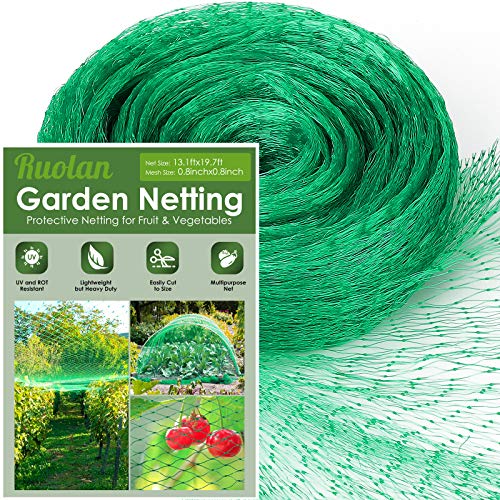
【Perfect size】(Garden Netting size 13ftX20ft, Mesh Size 0.8inchX0.8inch), Protect fruit tree plant blueberry strawberry from animals

Extra Large Coverage: 15ft x 15ft bird netting offers full protection for large fruit trees and plants.
Regular Maintenance
Regular maintenance of your garden plays a crucial role in deterring squirrels.
- Prune Trees: Keep tree branches well-pruned, especially those that are close to roofs or other structures. This prevents squirrels from easily jumping onto branches.
- Clear Debris: Maintain a clean orchard. Remove fallen fruits and nuts, as these attract squirrels. They’re more likely to raid your trees if they find easy food sources nearby.
- Inspect Barriers: Regularly check netting and tree guards for damages. Repair any holes to ensure squirrels can’t slip through.
- Monitor for Damage: Check trees for signs of squirrel activity, such as bite marks or claw scratches. Early detection helps in reinforcing your defenses.
Seasonal Considerations
Each season brings unique challenges and strategies for keeping squirrels at bay.
- Spring Preparation: As fruits begin to develop, install barriers like netting or tree guards before squirrels become more active. This timely setup can deter them from targeting your trees early on.
- Summer Vigilance: Monitor your fruit trees regularly during the growing season. If you notice squirrels, consider using deterrent sprays or noise devices to discourage their presence.
- Autumn Harvest: During harvesting, collect fruits promptly. Avoid leaving ripe fruit on the trees longer than necessary, as this can attract squirrels that are preparing for winter.
- Winter Strategies: In winter, food might be scarce for squirrels. Offer alternatives like squirrel feeders stocked with seeds, located far from your trees. This might redirect their attention and help protect your harvest in the following season.
Implementing these practices helps safeguard your fruit trees from squirrels and enhances the health of your garden.
Conclusion
Keeping squirrels out of your fruit trees doesn’t have to be a daunting task. With a little understanding and the right strategies you can protect your precious harvest.
Implementing physical barriers and using deterrent sprays can make a big difference in keeping these pesky critters at bay. Remember to stay consistent with your efforts and adapt your tactics as the seasons change.
By taking these proactive steps you’ll not only safeguard your fruits but also promote a healthier garden environment. Enjoy the fruits of your labor without the worry of squirrel raids. Happy gardening!
Frequently Asked Questions
What are the main fruits squirrels target in gardens?
Squirrels primarily target fruits like apples, peaches, and pears. They are agile climbers, making it easy for them to reach high branches where these ripe fruits grow. If not managed, they can consume large quantities during a single visit.
How can I deter squirrels from my fruit trees?
To deter squirrels, consider using physical barriers like strong mesh netting, tree guards, and floating row covers. Additionally, applying deterrent sprays and planting strong-scented herbs nearby can help make your fruit trees less appealing to them.
What damage do squirrels cause to fruit trees?
Squirrels can cause significant damage to fruit trees by leaving bite marks, claw scratches, and even knocking fruit off branches. This can result in bruising, decay, and a considerable reduction in both the quantity and quality of your harvest.
How do squirrels impact the health of my garden?
Squirrels not only consume fruits but can also transmit diseases through parasites and contaminate the soil with their feces. Keeping squirrels away helps ensure healthier plants and safer produce for your garden.
What proactive measures can I take to protect my fruit trees?
Understanding squirrel behavior allows gardeners to implement proactive measures like regular maintenance, such as pruning, and inspecting barriers. Timing is important too; install barriers before fruits develop in spring and harvest ripe fruits promptly in autumn.
