

Have you ever wondered how to space your fruit trees for the best growth and yield? It’s a common challenge for gardeners, whether you’re planting a small backyard orchard or just a few trees in your garden. If trees are too close, they compete for nutrients and sunlight. But if they’re too far apart, you might miss out on maximizing your space.
Key Takeaways
- Proper Spacing is Crucial: Ensuring adequate distance between fruit trees significantly impacts their health, productivity, and access to nutrients and sunlight.
- Optimal Distances for Different Trees: Standard spacing varies: apple trees should be 15-20 feet apart, while dwarf varieties can thrive at 5-10 feet apart.
- Maximize Sunlight and Airflow: Adequate spacing allows for better sunlight exposure and air circulation, reducing disease risk and enhancing fruit yield.
- Consider Soil Quality and Tree Size: Soil type and the mature size of trees are critical factors that influence the appropriate spacing for optimal growth.
- Easier Maintenance: Properly spaced trees simplify gardening tasks like pruning and harvesting, enabling better care and potentially higher yields.
- Pollination Needs Matter: Trees that require cross-pollination should be planted within 50 feet of each other to facilitate effective pollination.
Importance Of Spacing Fruit Trees
Proper spacing of fruit trees significantly impacts their health and productivity. Sufficient distance enables each tree to access adequate sunlight and airflow. Well-placed trees thrive better, reducing the risk of disease and pests.
Recommended Products
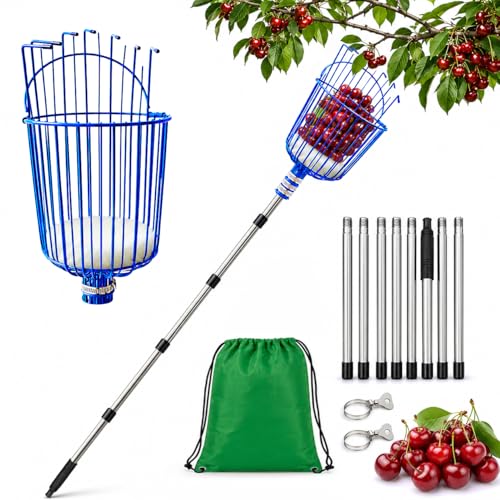
Narrow 0.47'' Grid Spacing Perfect for Small Fruits—Unlike common pickers with 1.2'' gaps, our fine mesh design prevents tiny fruits like cherries, plums, and apricots from slipping through. No more wasted fruit or frustration – harvest efficiently without losing your crop.


This fruit picker features a telescoping fruit picker pole with basket that extends from 3.5FT to 6FT, allowing you to adjust the height for any tree fruit picker task. With its fruit picker pole with basket telescoping design, you can easily reach high branches without ladders, making it a versatile fruit picking pole for apples, mangoes, and oranges.
Nutrient Access
Spacing affects how trees compete for soil nutrients. Closer trees may struggle with nutrient absorption, leading to weaker growth. For example, apple trees that are 20 feet apart absorb nutrients more effectively than those planted just 10 feet apart. Each tree has a better chance to develop its root system without interference.
Sunlight Exposure
Sunlight is essential for photosynthesis and fruit production. Trees planted too closely can shade each other, resulting in poor growth and lower yields. A spacing of at least 15 feet between fig trees ensures each receives adequate sunlight, promoting healthier fruit development.
Air Circulation
Air circulation helps prevent diseases such as mildew or rot. It’s crucial to allow space for air to flow around tree canopies. Spacing peach trees about 15 to 20 feet apart can enhance airflow and reduce the likelihood of fungal infections.
Maximizing Space Utilization
While it may seem efficient to plant trees closer together, proper spacing often results in better space utilization over time. Efficient design allows for easier maintenance, such as pruning and harvesting. A layout with trees spaced correctly accommodates lawn care and machinery as well.
Consideration of Tree Size
Different fruit trees require varying distances based on their mature size. For example, standard apple trees usually need at least 20 feet between them, while dwarf varieties can thrive with just 5 to 10 feet apart. Knowing the mature size of your trees aids in planning your garden layout effectively.
By considering these factors, you can ensure a thriving fruit tree garden that maximizes yield and minimizes issues.
Recommended Spacing Guidelines
Proper spacing between fruit trees plays a crucial role in their growth and productivity. Following recommended spacing guidelines helps maximize yields and ensure healthy development.
Standard Distance Between Trees
Generally, the standard distance for spacing varies based on the type of fruit tree. Here are common recommendations:
- Apple Trees: Space 15 to 20 feet apart.
- Peach Trees: Space 12 to 15 feet apart.
- Plum Trees: Space 15 to 20 feet apart.
- Citrus Trees: Space 10 to 15 feet apart.
- Cherry Trees: Space 20 to 30 feet apart.
These distances allow sufficient air circulation and sunlight penetration, which are essential for healthy growth and fruit production.
Considerations For Different Varieties
Different fruit tree varieties require unique spacing considerations. Here’s what to keep in mind:
- Dwarf Varieties: Plant these trees closer together, usually about 5 to 10 feet apart, due to their smaller mature size.
- Standard Varieties: Maintain more distance, around 15 to 25 feet apart, to accommodate their larger canopy.
- Pollination Needs: If you grow trees that require cross-pollination, ensure they’re within 50 feet of each other to facilitate pollinators.
Consider the mature size, growth habits, and specific needs of each variety to optimize your fruit tree garden’s layout. Spacing trees properly fosters a thriving ecosystem that boosts health and increases your harvest.
Factors Influencing Spacing
Spacing for fruit trees depends on several factors that affect their growth and productivity. Understanding these elements helps you optimize your garden layout.
Recommended Products

Product Quantity: 180+ premium bonsai fruit seeds across 5 varieties; Individual packs contain 40+ apple, 40+ lemon, 40+ orange, 20+ blueberry, and 40+ cherry seeds; Perfect for starting a diverse miniature orchard

4 kinds of the most popular fruits, individually packaged, 50pcs Lemon seeds 50pcs Cherry seeds 50pcs Orange seeds 50pcs Apple seeds Fresh seeds, all fruit seeds are packed in tear and moisture resistant zipper sealed bags for your long term storage.
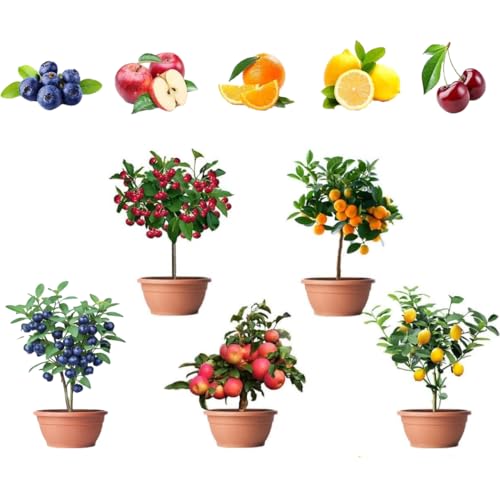
Variety Pack of 5 Fruits: Includes 40 Lemon seeds, 40 Orange seeds, 40 Apple seeds, 20 Cherry seeds, and 20 Blueberry seeds for a colorful and diverse home garden
Soil Type And Quality
Soil quality plays a crucial role in determining how far apart to plant fruit trees. Well-drained, nutrient-rich soil supports healthy tree growth. Sandy or clay soils may require wider spacing due to drainage issues. For instance, in sandy soil, trees can be planted closer together (10 to 15 feet apart) since roots spread more freely. In clay soil, allow at least 15 to 20 feet between trees to prevent root suffocation and ensure adequate nutrient access. Test your soil before planting to determine its type and quality.
Tree Size And Growth Habits
The mature size and growth habits of fruit trees significantly impact spacing requirements. Standard varieties typically need more space, often ranging from 15 to 25 feet apart. Dwarf varieties, with their compact growth, can be spaced 5 to 10 feet apart. Additionally, trees with spreading branches, like peach trees, require extra room for air circulation. Evaluate your chosen tree type and consider its potential size when deciding on spacing. This approach enables you to maximize sun exposure while minimizing competition for resources.
Benefits Of Proper Spacing
Proper spacing of fruit trees offers several key benefits that enhance their growth and productivity.
Improved Air Circulation
Improved air circulation around trees helps reduce humidity levels within the canopy. This reduction lowers the risk of diseases, such as mildew and rot. Trees spaced adequately allow breeze to flow freely, promoting healthier plants.
Enhanced Sunlight Access
Enhanced sunlight access directly improves fruit production. Sunlight penetrates the outer branches of trees to reach inner foliage, which is essential for photosynthesis. For example, apple trees with 20 feet of spacing will receive more sunlight than those only 10 feet apart.
Optimized Nutrient Absorption
Optimized nutrient absorption becomes critical for healthy growth. Trees positioned too close compete for water and nutrients. Spacing trees approximately 15 to 25 feet apart ensures each tree can access the necessary resources without competition.
Easier Maintenance
Easier maintenance simplifies gardening tasks such as pruning and harvesting. Properly spaced trees allow you to navigate the area without straining yourself. You can access branches more readily, leading to better care and ultimately a higher yield.
Accommodation for Mature Size
Accommodation for mature sizes of different fruit tree varieties prevents overcrowding. Dwarf varieties may thrive with 5 to 10 feet between them, while standard varieties need 15 to 25 feet. This consideration ensures each tree has ample space to grow without interfering with others.
Enhanced Pollination Opportunities
Enhanced pollination opportunities arise when considering spacing. Trees requiring cross-pollination should remain within 50 feet of each other. Proper spacing promotes efficient pollination, increasing fruit sets and overall yields.
Understanding these benefits helps you create a thoughtful layout for your fruit trees, ensuring they flourish in your garden.
Conclusion
Finding the right spacing for your fruit trees is essential for their health and productivity. By giving each tree enough room to grow you’ll promote better air circulation and sunlight access while reducing the risk of diseases.
Remember to consider the specific needs of each tree variety and the soil conditions in your garden. With proper planning you’ll create a thriving fruit tree orchard that not only looks beautiful but also yields delicious fruits for years to come. Happy planting!
Frequently Asked Questions
What is the importance of spacing fruit trees properly?
Proper spacing for fruit trees is essential for optimal growth and yield. It prevents competition for nutrients and sunlight, enhances air circulation, and reduces the risk of diseases, leading to healthier and more productive trees.
How far apart should apple trees be planted?
Apple trees should typically be spaced 15 to 20 feet apart. This distance allows for adequate sunlight and airflow, which are crucial for their growth and fruit production.
What about peach and cherry trees?
Peach trees should be planted 12 to 15 feet apart, while cherry trees require more space, ideally 20 to 30 feet apart. These distances ensure sufficient sunlight and air circulation for each tree.
Can dwarf fruit trees be planted closer together?
Yes, dwarf fruit trees can be planted closer together, typically at distances of 5 to 10 feet. This spacing accommodates their smaller mature size while still allowing for healthy growth.
Why is soil type important for tree spacing?
Soil type affects how trees absorb nutrients and manage drainage. For instance, in sandy soil, trees can be closer together (10 to 15 feet apart), but in clay soil, wider spacing (15 to 20 feet) is necessary to prevent root suffocation.
How does proper spacing benefit fruit trees?
Proper spacing improves air circulation, sunlight access, and nutrient absorption. It also simplifies maintenance and accommodates mature tree sizes, leading to better overall health and fruit yields.
What should I consider for cross-pollination?
Fruit trees that require cross-pollination should be planted within 50 feet of each other. This proximity helps maximize fruit set and overall yields by ensuring pollen transfer between trees.
