

Have you ever noticed ants marching up your fruit trees, seemingly on a mission? It can be frustrating to watch these tiny invaders make their way to your precious harvest. You want to protect your fruits from pests while keeping your garden thriving, but how do you stop those pesky ants?
Key Takeaways
- Understand Ant Behavior: Recognizing why ants climb fruit trees, such as their search for food and symbiotic relationships with pests, is crucial for effective management.
- Implement Physical Barriers: Use sticky barriers, tree guards, or moat systems around tree bases to physically prevent ants from climbing.
- Utilize Tree Traps: Create homemade traps with sugary substances or use commercial ant baits to lure and reduce ant populations near fruit trees.
- Explore Chemical Solutions: Consider insecticides for immediate ant control and opt for natural alternatives like diatomaceous earth or vinegar sprays to manage ant intrusion safely.
- Maintain Tree Health: Regular pruning, proper watering, and nutrient management help enhance the resilience of fruit trees against pests.
- Encourage Beneficial Insects: Promote biodiversity and healthy habitats in the garden to attract natural predators of pests, reducing the ant population without harmful chemicals.
Understanding Ant Behavior
Ants display specific behaviors that influence how they interact with fruit trees. Recognizing these behaviors helps you implement effective strategies for keeping ants away.
Why Ants Climb Fruit Trees
Ants climb fruit trees for several reasons. They search for food, including sweet substances like nectar and honeydew produced by aphids. These sugary spots attract ants, leading them to your trees. Climbing also helps ants protect their food sources by warding off potential threats.
The Relationship Between Ants and Fruit Trees
Ants often form mutually beneficial relationships with other pests on fruit trees. For instance, they “farm” aphids by protecting them from predators in exchange for the honeydew they produce. This relationship can harm your fruit trees, as aphids can damage leaves and reduce fruit yield. Understanding this connection allows you to address both the ants and the pests they protect.
Prevention Techniques
Preventing ants from climbing fruit trees requires focused strategies that deter their access while maintaining a healthy environment for your plants. Use these methods to keep ants at bay.
Recommended Products

Extra Long: You will receive 1 roll of tree barrier tape, measuring approximately 165 ft x 2 inch, the extra length provides adequate protection for your multiple trees and plant trunks, and also meets the replacement needs.

Generous Dimensions and Quantity: every purchase includes 4 rolls of plant sticky traps with dimensions of about 3.94 inches by 65 ft, totaling up to nearly 260ft; Such a wide area coverage can secure multiple trees and plants against lantern flies
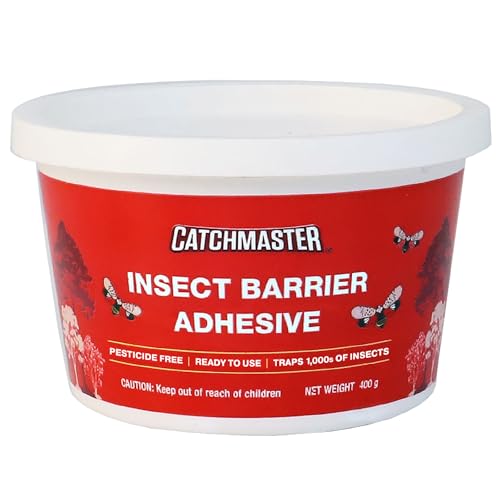
SAVE YOUR TREES: Our specially-formulated Insect Barrier Adhesive can be combined with standard plastic wrap to create tree band sticky traps for bugs. Tree bands are effective at controlling and monitoring invasive species like the spotted lanternfly, cankerworms, moths, black vine weevils, ants, caterpillars, and stink bugs, cicadas, cutworms and other crawling insects
Physical Barriers
Installing physical barriers serves as an effective first line of defense against ants. Consider the following options:
- Sticky Barriers: Apply sticky tape or commercial ant traps around the trunk of the trees. The adhesive surface prevents ants from climbing up.
- Tree Guards: Use tree guards or collars made of metal or plastic. Position them about 6 to 12 inches above the ground to block ant access.
- Moat Systems: Create a moat around tree bases filled with water. This deters ants, as they struggle to cross water surfaces.
Tree Traps
Tree traps act as another innovative solution for controlling ant populations on fruit trees. Implement these traps effectively:
- Homemade Traps: Create traps using containers filled with sweet, sugary substances. Place them near the base of the tree to lure ants away.
- Commercial Ant Baits: Use commercially available ant baits. These contain attractants that lure ants and poison them, reducing their population.
- Monitoring: Regularly check traps to assess ant activity. Ensure traps are clean and replace bait as needed for effectiveness.
Implementing these prevention techniques maintains your fruit trees’ health while keeping ants from climbing and protecting other pests.
Chemical Solutions
Chemical solutions offer effective methods to manage ants climbing your fruit trees. You can target the pests directly, protecting your trees from ant damage.
Recommended Products

COMPLETE ANT ELIMINATION: The Terro ant killer attracts and kills common household ants like ghost and pavement ants, targeting both visible ants and hidden colonies
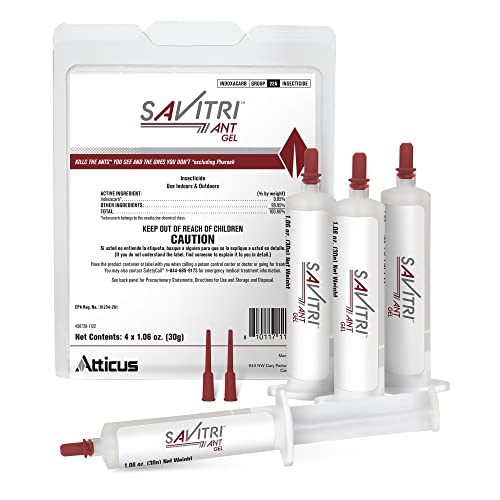
FAST, EFFECTIVE ANT TAKEDOWN: Savitri Ant Gel contains 0.05% of indoxacarb, the same active ingredient trusted by professionals for quick ant kill and colony control.

ANT BAIT NOT INCLUDED – DESIGNED FOR MAXIMUM INFESTATION CONTROL: Use with DEFIANT Liquid Ant Bait (sold separately). These reusable outdoor ant traps effectively deliver ant killer bait, eliminating the queen and the colony. Designed with a sturdy stake, the station will stay-put, even in harsh weather conditions. Place directly into soil, mulch, garden beds, or in potted plants indoors. The triple-entry design allows for maximum ant access for fast ant elimination.
Insecticides and Sprays
Insecticides provide immediate action against ants. Select a product labeled for use on ants and fruit trees. Follow the manufacturer’s instructions closely to ensure safety and effectiveness. Common options include pyrethroids, which rapidly kill ants on contact. For lasting control, consider baits that ants carry back to their colonies, gradually eliminating the nest. Apply these treatments early in the morning or late in the evening when ants are most active.
Natural Alternatives
Natural alternatives also help control ant populations without harsh chemicals. Diatomaceous earth, a non-toxic powder, disrupts ants’ exoskeletons, causing dehydration. Sprinkle it around the base of your trees for best results. Additionally, vinegar or citrus-based sprays repel ants and make the environment less attractive. Mix equal parts water and vinegar or lemon juice, then spray on tree trunks and surrounding areas. Regular reapplication enhances effectiveness, especially after rain.
Environmental Considerations
Maintaining a healthy garden environment is essential when addressing ant problems in fruit trees. Several strategies help promote tree vitality while managing ant intrusion effectively.
Recommended Products

Control diseases and insects in your garden with Captain Jack’s Fruit Tree Spray Concentrate! Use on a variety of listed fruits, nuts and citrus plants.

Control diseases and insects in your garden with Captain Jack’s Fruit Tree Spray Concentrate! Use on a variety of listed fruits, nuts and citrus plants.

Maintaining Tree Health
Keeping your fruit trees healthy reduces their vulnerability to pests. Focus on the following practices:
- Regular Pruning: Trim branches and remove dead or diseased parts. This increases air circulation and sunlight exposure.
- Proper Watering: Ensure adequate moisture during dry spells. Overwatering can harm roots, while underwatering stresses the tree.
- Nutrient Management: Apply organic fertilizers to enrich soil health. Healthy trees produce more sap, which can be less appealing to ants.
- Mulching: Use organic mulch around the base of trees. It helps retain moisture and prevents weeds, enhancing overall plant health.
Encouraging Beneficial Insects
Promoting beneficial insects in your garden helps reduce ant populations while preserving your fruit trees. Consider these actions:
- Planting Diversity: Include native plants, flowers, and herbs. They attract beneficial insects like ladybugs and lacewings, which prey on aphids.
- Providing Habitats: Install insect hotels or leave natural debris in your garden. This creates homes for predatory insects.
- Avoiding Pesticides: Limit chemical use, as it can harm beneficial insect populations. Instead, rely on natural solutions to manage pests.
Adopting these environmental considerations can help create a more balanced ecosystem in your garden, protecting your fruit trees from ant interference.
Conclusion
Keeping ants off your fruit trees doesn’t have to be a daunting task. By understanding their behavior and the pests they protect you can take simple yet effective steps to safeguard your garden.
Using physical barriers and traps can significantly reduce ant access while natural solutions offer a safe way to deter them. Regular monitoring and maintenance will keep your trees healthy and thriving.
With a little effort and the right strategies you can enjoy a bountiful harvest free from ant interference. Happy gardening!
Frequently Asked Questions
How do ants affect fruit trees?
Ants are attracted to fruit trees primarily for sweet substances like nectar and honeydew produced by aphids. Their presence can lead to an increase in aphid populations, which damage leaves and reduce fruit yield. Understanding this relationship is vital for gardeners aiming to protect their harvest.
What are some effective prevention methods for ants in fruit trees?
To deter ants, gardeners can use physical barriers like sticky tape, tree guards, and moat systems. Additionally, homemade traps with sweet substances and commercial ant baits can effectively lure and poison ants while keeping the garden environment healthy.
Are there chemical solutions for managing ants?
Yes, chemical insecticides and sprays can provide quick action against ants. It’s essential to choose products labeled for use on fruit trees and apply them during peak ant activity. Baits that ants carry back to their colonies can ensure long-term control as well.
What natural alternatives can I use to repel ants?
Natural options include diatomaceous earth, vinegar, and citrus-based sprays, which are non-toxic and disrupt ant exoskeletons. Regular reapplication, especially after rain, is crucial for maintaining their effectiveness in keeping ants away.
How can I maintain a healthy garden environment to reduce ant issues?
Regular practices like pruning, proper watering, and using organic fertilizers can strengthen your fruit trees and reduce ant problems. Additionally, fostering beneficial insects through diverse planting and minimizing pesticide use helps create a balanced ecosystem.
