Close Menu
    Fruit Tree Hub
    • Home
    • Apple Trees
    • Lemon Trees
    • Mango Trees
    • Orange Trees
    • More Trees
      • Best Fruit Trees
      • Apricot Trees
      • Cherry Trees
      • Fig Trees
      • Lime Trees
      • Mulberry Trees
      • Peach Trees
      • Pear Trees
      • Plum Trees
      • Pomegranate Trees
    • Tips and Advice
      • Tools
    • About Us
      • Contact
      • Privacy Policy
    Fruit Tree Hub
    Home»Tools»How to Sharpen a Bypass Lopper: Essential Maintenance Guide
    Tools

    How to Sharpen a Bypass Lopper: Essential Maintenance Guide

    Lucy SmithBy Lucy SmithApril 15, 20246 Mins Read
    Share Facebook Twitter Pinterest WhatsApp Email
    Share
    Facebook Twitter LinkedIn Pinterest Telegram Email

    Ever wondered why your bypass lopper just isn’t cutting it like it used to? Picture this: you’re out in the garden, ready to tackle those overgrown branches, only to find your trusty tool struggling to make a clean cut. Frustrating, right? But fear not, because in this article, you’ll discover the secrets to bringing back that sharp edge and making your bypass lopper work like a dream again.

    Contents show
    1 Understanding Bypass Loppers
    2 Signs of Dull Blades
    3 Tools Needed for Sharpening
    4 Step-by-Step Sharpening Guide
    5 Maintaining Sharp Blades
    6 Conclusion
    7 Frequently Asked Questions
    7.1 Should bypass lopper blades be regularly maintained?
    7.2 How can sap buildup be prevented on bypass lopper blades?
    7.3 What should be done to ensure bypass lopper blades are not damaged?
    7.4 Why is proper lubrication important for bypass lopper blades?
    7.5 How can bypass lopper blades be sharpened?
    7.6 How can one test the sharpness of bypass lopper blades?
    7.7 What is recommended for storing bypass lopper blades after use?

    Have you been putting off sharpening your bypass lopper because you’re not sure where to start? Well, you’re in luck! In the next few minutes, you’ll learn simple yet effective techniques to sharpen your bypass lopper like a pro. Say goodbye to struggling with dull blades and hello to effortlessly pruning branches with precision and ease.

    Understanding Bypass Loppers

    When it comes to bypass loppers, understanding how they work is key to keeping them sharp. These pruning tools have two blades that pass by each other like scissors, creating clean and precise cuts on branches.

    MUST READ
    How to Replace the Blade on Fiskars 18 Lopper: Step-by-Step Guide for Maintenance and Safety

    Here are a few key points to keep in mind:

    • Blade Material: Bypass loppers’ blades are usually made of hardened steel for durability.
    • Cutting Mechanism: The blade and hook design ensure effortless cutting with less strain on your hands.
    • Maintenance: Regular sharpening is essential to preserve the sharpness and effectiveness of bypass loppers.

    Ready to dive into the details of sharpening your bypass loppers effectively? Let’s walk through the process step by step next.

    Signs of Dull Blades

    • Difficulty in Cutting: If you’re noticing more resistance and effort needed to cut through branches, it might be a sign of dull blades.
    • Crushing Instead of Clean Cuts: When you’re getting more crushing or tearing of branches rather than clean cuts, your blades could be dull.
    • Splinters and Jagged Edges: Inspect the cut branches – if you see splinters or jagged edges, it’s time to sharpen your bypass lopper blades.
    Key Points
    Increased Effort🔍
    Crushing Cuts🌿
    Splinters🪚

    Tools Needed for Sharpening

    To sharpen your bypass lopper blades effectively, you’ll need the right tools at your disposal. Here are the essential items you’ll require:

    • Sharpening stone: This tool is crucial for restoring the sharp edge of your bypass lopper blades.
    • Lubricating oil: Using oil helps in ensuring smooth sharpening and prevents corrosion.
    • Safety gloves: Protect your hands with a good pair of gloves to avoid any accidents while working on sharpening the blades.
    • Cleaning brush: Keep a small brush handy to remove any debris or dirt from the blades before sharpening.
    • Safety goggles: Protect your eyes with safety goggles to prevent any particles from getting into your eyes during the sharpening process.
    MUST READ
    Essential Guide: Choosing, Maintaining, and Using Pruners for a Luscious Garden
    Tools Needed
    Sharpening stone
    Lubricating oil
    Safety gloves
    Cleaning brush
    Safety goggles

    Recommended Products

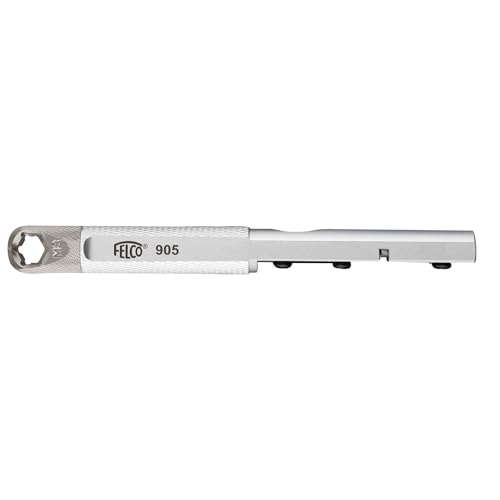
    FELCO FELCO905 Model 905 Sharpener-Carbide Stone, White
    FELCO FELCO905 Model 905 Sharpener-Carbide Stone, White

    Keeps an ideal cutting edge on the blade

    VIEW LATEST PRICE

    As an affiliate, we earn on qualifying purchases.

    Felco Sharpening Tool (F 903) - Grey Hardened Steel Diamond Coated Sharpener Stone
    Felco Sharpening Tool (F 903) - Grey Hardened Steel Diamond Coated Sharpener Stone

    Diamond coated - These sharpeners are made of diamond-coated hardened steel that meticulously hones pruning shear, knife, and cable cutter blade edges for clean, effortless cuts.

    VIEW LATEST PRICE

    As an affiliate, we earn on qualifying purchases.

    A.M. Leonard Corona Quick Sharpener Tool
    A.M. Leonard Corona Quick Sharpener Tool

    Easily fits in your pocket, tool box or tool belt

    VIEW LATEST PRICE

    As an affiliate, we earn on qualifying purchases.

    Step-by-Step Sharpening Guide

    To sharpen your bypass lopper effectively, follow these steps:

    • Step 1: Clean the Blades
    • Wipe the blades with a clean cloth to remove any dirt or residue.
    • Step 2: Inspect the Blades
    • Check for any nicks, chips, or dull areas that need sharpening.
    • Step 3: Apply Lubricating Oil
    • Add a few drops of lubricating oil to the blades to aid in the sharpening process.
    • Step 4: Use the Sharpening Stone
    • Hold the lopper firmly and run the sharpening stone along the blade’s edge at a consistent angle.
    • Step 5: Repeat the Process
    • Continue sharpening until the blade is sharp and free of any imperfections.
    • Step 6: Check the Sharpness
    • Test the blade’s sharpness by cutting a piece of paper or a small branch.
    • Step 7: Clean and Store
    • Wipe the blades clean, apply a light coat of oil, and store your bypass lopper in a safe place.
    MUST READ
    Tree Pruners: Choosing the Right Lever Class for Effortless Gardening

    Recommended Products

    Kebtek Multipurpose Garden Sharpening Tool, Blade Sharpener for Knives, Pruners, Loppers, Hedge Shears, Scissors, Axe, Hatchet, Machete
    Kebtek Multipurpose Garden Sharpening Tool, Blade Sharpener for Knives, Pruners, Loppers, Hedge Shears, Scissors, Axe, Hatchet, Machete

    【Tungsten Carbide Sharpener for Garden Tools】Made with a heavy-duty tungsten carbide edge to quickly restore dull pruners, shears, axes, and lawn mower blades. For best results, always sharpen using the corner of the carbide, pulling smoothly along the cutting edge. Do not use the flat surface.

    VIEW LATEST PRICE

    As an affiliate, we earn on qualifying purchases.

    Garden Clipper Sharpener 2 Pcs Alloy Steel Sharpener Stone
    Garden Clipper Sharpener 2 Pcs Alloy Steel Sharpener Stone

    : keep your pruning shears sharp for quick and efficient branch trimming,pruning saw sharpener, sharpener stone

    VIEW LATEST PRICE

    As an affiliate, we earn on qualifying purchases.

    Smith’s SK2 2 Stone Sharpening Kit – 5” Medium + 4” Fine Arkansas Stones + Honing Oil – Non-Slip Plastic Base – Outdoor Hunting, Pocket, + Buck Knife Sharpener
    Smith’s SK2 2 Stone Sharpening Kit – 5” Medium + 4” Fine Arkansas Stones + Honing Oil – Non-Slip Plastic Base – Outdoor Hunting, Pocket, + Buck Knife Sharpener

    Sharpening angle guide to teach basic correct angle for first-time user.

    VIEW LATEST PRICE

    As an affiliate, we earn on qualifying purchases.

    Maintaining Sharp Blades

    When it comes to Maintaining Sharp Blades on your bypass lopper, consistent care is key to ensuring optimal performance and longevity. Here are some essential tips to keep your blades in top condition:

    • Regular Cleaning: Cleaning the blades after each use prevents sap buildup and debris accumulation, which can dull the cutting edge over time.
    • Routine Inspection: Inspect the blades for any signs of damage such as nicks or chips. Addressing these issues promptly helps maintain blade sharpness.
    • Proper Lubrication: Apply lubricating oil to the blades to prevent rust and reduce friction during cutting. This simple step can extend the life of your lopper blades.
    • Sharpening Maintenance: Use a sharpening stone to hone the blade’s edge. Gently glide the stone along the cutting edge to remove any dull spots and restore sharpness.
    • Testing Sharpness: After sharpening, test the sharpness of the blades by cutting through a small branch or twig. Adjust as needed until you achieve a clean cut with minimal effort.
    • Storage and Cleaning: After use, clean the blades again and store your lopper in a dry place to prevent rusting. Proper storage ensures your lopper is ready for the next use.
    MUST READ
    How to Safely Use, Maintain, and Extend the Life of Your Pruner: A Comprehensive Guide

    Conclusion

    Ensuring your bypass lopper blades are sharp is key to their performance and durability. Remember to clean them regularly, inspect for damage, lubricate with oil, and sharpen using a sharpening stone. Test sharpness by cutting through twigs and store them properly to prevent rust. These tips will help you maintain your bypass loppers in top condition. Happy gardening!

    Frequently Asked Questions

    Should bypass lopper blades be regularly maintained?

    Yes, maintaining sharp blades on bypass loppers is crucial for peak performance and durability.

    How can sap buildup be prevented on bypass lopper blades?

    Regular cleaning is essential to prevent sap buildup on bypass lopper blades.

    What should be done to ensure bypass lopper blades are not damaged?

    Routine inspection of the blades is necessary to spot and address any signs of damage promptly.

    Why is proper lubrication important for bypass lopper blades?

    Lubricating bypass lopper blades with oil helps prevent rust and ensures smooth operation.

    How can bypass lopper blades be sharpened?

    Sharpen bypass lopper blades using a sharpening stone for optimal cutting effectiveness.

    How can one test the sharpness of bypass lopper blades?

    Cutting through twigs can help evaluate the sharpness of bypass lopper blades.

    What is recommended for storing bypass lopper blades after use?

    Proper storage practices are essential to prevent rusting of bypass lopper blades.

    Share. Facebook Twitter Pinterest LinkedIn Tumblr Email
    lucy smith
    Lucy Smith
    • Website

    Lucy Smith is a highly experienced horticulturist with a passion for fruit tree cultivation. She holds a degree in Horticulture from the University of California, Davis, and has worked in various roles in the industry. With over 10 years of experience, Lucy is dedicated to using eco-friendly methods for sustainable gardening practices.

    Related Posts

    5 Best Cordless Pruners of 2024 – Effortless Gardening Tools Reviewed

    September 26, 2024

    The 5 Best Loppers of 2024: Pruning Made Easy and Efficient

    September 26, 2024

    The 5 Best Pruning Saws of 2024 – Cut Through Your Gardening Tasks With Ease

    September 26, 2024

    The 5 Best Pruning Shears of 2024 – Your Essential Gardening Tools

    September 26, 2024

    5 Best Heavy Duty Pruning Shears for Effortless Gardening in 2024

    September 26, 2024

    The 4 Best Pruning Blades for Reciprocating Saws: Ultimate Guide for Gardeners

    September 26, 2024
    Leave A Reply Cancel Reply

    Affiliate Disclosure

    As an Amazon Associate I earn from qualifying purchases.

    Recommended Reading

    How to Plant Fruit Tree in Animal Crossing for a Bountiful Orchard Experience

    Do You Need Two Avocado Trees to Make Fruit: Enhance Your Harvest with These Tips

    How Long Does a Guava Tree Take to Bear Fruit and Tips for Successful Harvesting

    Top Fruit Trees for Houston Texas Backyards: Cultivating a Year-Round Orchard

    How Long Does a Pear Tree Produce Fruit: Essential Tips for Maximizing Your Harvest

    23 Stunning Fair Isle Knitting Ideas For A Bold Handmade Look

    How Long Before Papaya Trees Bear Fruit: Timelines and Tips for a Successful Harvest

    When Do Pawpaw Trees Fruit and How to Maximize Your Harvest This Season

    When Do Loquat Trees Bear Fruit and How to Ensure a Bountiful Harvest

    How to Grow a Tangerine Tree Inside: Tips for Successful Indoor Cultivation

    Fruit Tree Hub

    Fruit Tree Hub is a website dedicated to providing you everything you need to grow fruit trees successfully at in your own yard.

    Contact us at: [email protected]

    - AFFILIATE DISCLOSURE: As an Amazon Associate I earn from qualifying purchases.

    Latest Posts

    18 Halloween Crochet Blanket Ideas Featuring Pumpkins, Ghosts, and Seasonal Motifs

    20 Festive Fall Crochet Blanket Ideas in Rust, Mustard, and Earthy Tones

    25 Chunky Crochet Blanket Ideas Using Bulky Yarn for Thick Texture

    24 Filet Crochet Blanket Ideas Featuring Openwork Motifs

    19 Simple One-Color Crochet Blanket Ideas for Minimalist Designs

    22 Dreamy Crochet Temperature Blanket Ideas for Year-Long Color Tracking

    18 Lightweight Crochet Picnic Blanket Ideas for Outdoor Use

    20 Practical Crochet Pet Blanket Ideas for Dogs and Cats

    Categories
    • Almond Trees
    • Apple Trees
    • Apricot Trees
    • Best Fruit Trees
    • Blackberry
    • Cantaloupe
    • Cherry Trees
    • Christmas Crochet Ideas
    • Crochet Bag Ideas
    • Crochet Blanket Ideas
    • Crochet Ideas
    • Crochet Ideas for Beginners
    • Cucamelon
    • Easy Crochet Ideas
    • Easy Knitting Projects
    • Fall Crochet Ideas
    • Fig Trees
    • Grapefruit Trees
    • Grapes
    • Guava Trees
    • Halloween Crochet Ideas
    • Honeydew
    • Jujube Trees
    • Kiwi
    • Knitting For Beginners
    • Knitting Ideas
    • Knitting Inspiration
    • Lemon Trees
    • Lime Trees
    • Loquat Trees
    • Mango Trees
    • Mulberry Trees
    • Nectarine Trees
    • Olive Trees
    • Orange Trees
    • Papaya Trees
    • Peach Trees
    • Pear Trees
    • Persimmon Trees
    • Planting
    • Plum Trees
    • Pomegranate Trees
    • Quince Trees
    • Raspberry
    • Reviews
    • Small Crochet Ideas
    • Star Fruit Trees
    • Summer Crochet Ideas
    • Tamarind Trees
    • Tangerine Trees
    • Tips and Advice
    • Tools
    • Uncategorized
    • Walnut Trees
    • Winter Crochet Ideas
    © 2026 Fruit Tree Hub
    • Home
    • About Us
    • Contact
    • Privacy Policy
    • Terms and Conditions
    • Disclaimer
    • Editorial Policy
    • Affiliate Disclosure

    Type above and press Enter to search. Press Esc to cancel.