

Growing tamarind trees in pots in South Carolina is feasible with the right conditions and care. These trees thrive in warm climates and can adapt well to container growth, making them suitable for home gardeners aiming for a tropical flair.
Tamarind Tree Sunlight and Care Needs
Tamarind trees thrive in warm climates, making them a suitable choice for South Carolina gardeners. Understanding their specific sunlight and care requirements is crucial for successful growth, especially when cultivating them in pots. This section delves into the essential factors that will help ensure your tamarind tree flourishes in a container environment.
Tamarind trees require specific conditions to flourish. They thrive in full sunlight, needing at least six hours of direct sunlight daily.
The soil should be well-draining and slightly acidic to neutral. In South Carolina, the warm climate is conducive to growth, but potting requires attention to watering and temperature fluctuations.
Recommended Products
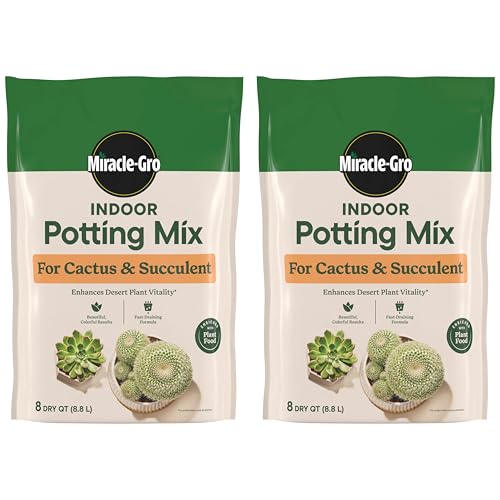
Miracle-Gro Indoor Potting Mix for Cactus and Succulent is enriched with Miracle-Gro Plant Food and enhances desert plant vitality (vs unfed plants when used as directed)
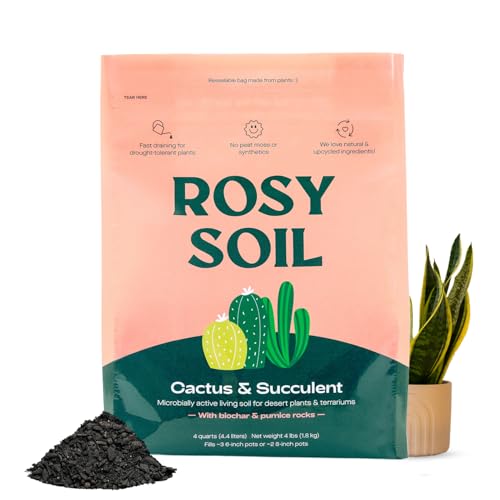
THE CHUNKY TEXTURE YOUR SUCCULENTS ACTUALLY NEED: Most potting soils for succulents pack too dense and hold too much water; our chunky succulent soil potting mix stays loose and airy, letting roots breathe and excess moisture drain fast – no compaction, no soggy pots

Package Includes: You will get 4 quarts of coarse perlite, these are evenly sized and perfect for adding to potting soil for potted plants or as pavement for succulents to keep your plants looking nice and clean, it is essential for precise cactus mixes or carnivorous plant soils as it pulls water away efficiently
Ideal Potting Mix for Tamarind Trees
Selecting the right potting mix is crucial for the healthy growth of tamarind trees in South Carolina. This section explores the ideal soil composition that promotes drainage, nutrient retention, and overall vitality, ensuring your tamarind tree thrives in a container environment. Understanding these specifics will help you create the perfect growing conditions for your tree.
Choosing the correct potting mix is crucial for the health of your tamarind tree. A mix that retains moisture while allowing drainage is ideal. Consider using a combination of:
Cactus soil for drainage
Compost for nutrients
Perlite to aerate the soil
This blend will support root growth and prevent waterlogging, which can lead to root rot.
Choose the Appropriate Pot Size
Selecting the right pot size is crucial for the successful growth of tamarind trees in South Carolina. An appropriately sized container not only supports healthy root development but also ensures adequate drainage and nutrient availability. Understanding the specific needs of tamarind trees will help you make an informed choice for optimal growth.
The size of the pot influences the growth of your tamarind tree. A pot that is too small can restrict root development.
For young trees, start with a pot that is at least 12 inches in diameter. As the tree grows, you may need to transplant it into a larger pot, ideally 18 to 24 inches in diameter.
| Pot Size | Recommended Age of Tree | Growth Stage |
|---|---|---|
| 12 inches | 1-2 years | Young |
| 18 inches | 3-5 years | Mature |
| 24 inches | 5+ years | Fully grown |
Watering and Fertilization Guidelines for Tamarind
Proper watering and fertilization are crucial for the successful growth of tamarind trees in pots, especially in South Carolina’s unique climate. Understanding the specific needs of these trees will help ensure they thrive and produce healthy foliage and fruit. This section provides essential guidelines to optimize your tamarind tree’s hydration and nutrient intake.
Proper watering and fertilization are essential for healthy tamarind trees. Overwatering can lead to root rot, while underwatering can stunt growth. Follow these guidelines:
Water when the top inch of soil feels dry
Use a balanced, slow-release fertilizer every 6-8 weeks during the growing season
Reduce watering in winter when the tree is dormant
Pruning Techniques for Tamarind Trees
Pruning is essential for maintaining the health and shape of tamarind trees grown in pots, especially in South Carolina’s unique climate. Proper techniques can enhance growth, encourage fruit production, and prevent disease. Understanding when and how to prune will help ensure your tamarind tree thrives in its container environment.
Pruning is necessary to maintain the shape and health of your tamarind tree. Regular pruning encourages bushier growth and helps manage size. Aim to prune:
In early spring before new growth starts
Remove any dead or damaged branches
Thin out crowded areas to improve air circulation
Pest Control Techniques for Tamarind Trees
Pest management is crucial for the health and productivity of tamarind trees grown in pots, especially in South Carolina’s unique climate. Effective techniques can help protect these trees from common pests while ensuring they thrive. This section outlines practical strategies to maintain the vitality of your tamarind trees and prevent infestations.
Tamarind trees can attract pests such as aphids and spider mites. Regular monitoring is essential. Implement these pest management strategies:
Inspect leaves weekly for signs of infestation
Use insecticidal soap for minor infestations
Introduce beneficial insects like ladybugs to control pests naturally
Tamarind Tree Seasonal Care Strategies
Caring for tamarind trees in South Carolina requires an understanding of their seasonal needs. From managing temperature fluctuations to adjusting watering schedules, each season presents unique challenges and opportunities for growth. This section outlines effective strategies to ensure your potted tamarind tree thrives throughout the year.
Seasonal changes affect the care of your tamarind tree. In South Carolina, summer heat can stress the tree, while winter cold can damage it. Adjust your care routine accordingly:
Provide shade during extreme heat
Move pots indoors or to a sheltered area during frost
Monitor soil moisture more closely in summer
Tamarind Tree Care Problem Solutions
Tamarind trees can thrive in pots, but they often face unique challenges, especially in South Carolina’s climate. Understanding common issues and their solutions is essential for successful cultivation. This section addresses the most frequent problems encountered by pot-grown tamarind trees and offers practical advice to ensure healthy growth and fruit production.
Understanding common issues can help you maintain a healthy tamarind tree. Here are some frequent problems and their solutions:
| Issue | Symptoms | Solution |
|---|---|---|
| Yellowing Leaves | Nutrient deficiency | Apply balanced fertilizer |
| Wilting | Underwatering | Increase watering frequency |
| Leaf Drop | Overwatering | Allow soil to dry out |
Monitor your tree closely for these signs and address them promptly to ensure healthy growth.
Successful Tamarind Tree Care Strategies
Caring for tamarind trees in pots requires specific strategies to thrive in South Carolina’s unique climate. Understanding the right soil, watering techniques, and sunlight exposure can significantly impact growth and fruit production. This section outlines effective care practices to ensure your potted tamarind tree flourishes throughout the seasons.
Growing tamarind trees in pots requires diligence and care. Regularly check for pests and adjust watering based on seasonal needs. With the right potting mix and care routine, your tamarind tree can thrive in South Carolina’s climate.
Be cautious of sudden temperature changes.
