

Growing quince trees in Indiana requires specific soil preparation techniques to ensure successful growth. Proper soil conditions enhance nutrient availability and support root development, leading to healthier trees and better fruit yield.
Quince Tree Soil and pH Requirements
Understanding the specific soil and pH requirements for quince trees is crucial for successful cultivation in Indiana. The right soil composition not only supports healthy growth but also enhances fruit production. This section delves into the ideal conditions needed to ensure your quince trees thrive in the local environment.
Quince trees thrive in well-drained, loamy soil with a pH between 6.0 and 7.0. Understanding these requirements is essential for successful cultivation. Indiana’s diverse soil types may necessitate amendments to achieve optimal conditions.
Recommended Products

KNOW BEFORE YOU GROW | Grow the healthiest, sustainable lawn and garden with the most accurate and easy to use professional soil test kit on the market

【4 in 1 function】This is a 4-in-1 multifunctional soil tester.Our soil tester fastly to measure soil moisture, pH, temperature and sunlight to help you take better care of flowers and plants.You can know when you need to water your soil by measuring moisture and pH & Temperature value of the soil and sunlight level of plants with it.

Kindly NOTE: This soil tester can not be applied to test pH value of any other liquid. If the soil is too dry the indicator will not move, and water it before testing.
Soil Testing for Quince Tree Preparation
Soil testing is a crucial step in preparing for successful quince tree cultivation in Indiana. Understanding the specific nutrient levels and pH balance of your soil can significantly impact the health and productivity of your trees. This section will guide you through the essential aspects of soil testing to ensure optimal growing conditions for your quince trees.
Conducting a soil test is the first step in preparing your planting site. This test will reveal pH levels and nutrient deficiencies. Use a reliable soil testing kit or send samples to a local extension office for analysis.
| Soil Test Component | Ideal Range |
|---|---|
| pH | 6.0 – 7.0 |
| Nitrogen (N) | 20 – 30 ppm |
| Phosphorus (P) | 15 – 25 ppm |
| Potassium (K) | 150 – 250 ppm |
Ensure that your soil meets these criteria before planting. Adjustments can be made based on the test results.
Soil Amendments for Quince Tree Growth
Proper soil amendments are crucial for the successful growth of quince trees in Indiana’s unique climate. By understanding the specific nutrient needs and pH requirements of these trees, you can create an optimal growing environment. This section will explore effective soil amendment strategies to enhance the health and productivity of your quince trees.
After testing, amend the soil based on the results. This step is crucial for creating a suitable environment for your quince trees.
Add organic matter such as compost or well-rotted manure to improve soil structure and fertility.
Incorporate lime if the pH is below 6.0 to raise acidity levels.
Use sulfur to lower pH if it exceeds 7.0.
Mix these amendments thoroughly into the top 12 inches of soil to ensure even distribution.
Quince Tree Drainage Solutions for Indiana
Proper drainage is crucial for the successful growth of quince trees in Indiana’s diverse soil conditions. Understanding how to manage water levels can prevent root rot and promote healthy development. This section explores effective drainage solutions tailored to the specific challenges faced by quince growers in the region.
Quince trees dislike waterlogged conditions, making drainage a priority. Poor drainage can lead to root rot and other diseases.
Elevate planting beds if your soil retains excess moisture.
Install drainage tiles in areas prone to flooding.
Use mulch to retain moisture while preventing soil compaction.
These practices will help maintain the right moisture balance for your quince trees.
Choosing Quince Varieties for Indiana Climate
Selecting the right quince varieties is crucial for successful cultivation in Indiana’s unique climate. With its varying temperatures and soil conditions, understanding which types thrive can significantly impact growth and fruit production. This section will explore the best quince varieties suited for Indiana, ensuring optimal results for both novice and experienced growers.
Choosing the appropriate variety is essential for success in Indiana’s climate. Different varieties have unique characteristics and adaptability.
Top Quince Varieties for Indiana Gardens
When selecting quince varieties for Indiana gardens, it’s essential to consider both climate adaptability and fruit quality. Certain cultivars thrive better in the region’s unique conditions, offering gardeners the best chance for a fruitful harvest. This section highlights the top quince varieties suited for Indiana, ensuring you make informed choices for your garden.
Pineapple Quince: Known for its aromatic fruit, ideal for culinary uses.
** Smyrna Quince**: Produces large, sweet fruit, excellent for preserves.
Champion Quince: A hardy variety with good disease resistance and high yields.
Research each variety to find one that suits your specific needs and local conditions.
Quince Tree Planting Techniques for Indiana
Planting quince trees in Indiana requires careful attention to local soil conditions and climate. Understanding the best techniques for planting can significantly enhance growth and fruit production. This section outlines effective methods tailored for Indiana’s unique environment, ensuring your quince trees thrive.
Proper planting techniques set the foundation for healthy quince trees. Timing and method are critical for success.
Quince Tree Planting Location Selection
Selecting the right planting location is crucial for the successful growth of quince trees in Indiana. Factors such as sunlight exposure, soil drainage, and proximity to windbreaks can significantly impact their health and fruit production. Understanding these elements will help ensure your quince trees thrive in the unique Indiana climate.
Choose a location with full sun exposure.
Dig a hole twice as wide and as deep as the root ball.
Place the tree in the hole, ensuring the graft union is above soil level.
Backfill with soil, gently tamping down to eliminate air pockets.
Water thoroughly to settle the soil around the roots.
These steps will promote strong establishment and growth.
Monitor and Maintain Soil Health
Maintaining soil health is crucial for the successful growth of quince trees in Indiana. This section outlines essential practices for monitoring soil conditions, ensuring proper nutrient levels, and implementing effective amendments. By focusing on these aspects, you can create an optimal environment for your quince trees to thrive.
Regular maintenance is essential for the long-term health of your quince trees. Monitoring soil conditions can prevent issues before they arise.
Annual Mulching for Quince Tree Care
Annual mulching is a vital practice for maintaining healthy quince trees in Indiana. This technique not only conserves moisture and suppresses weeds but also enriches the soil as the mulch breaks down over time. Understanding the best mulching strategies can significantly enhance the growth and productivity of your quince trees.
Mulch annually to retain moisture and suppress weeds.
Fertilize with a balanced fertilizer in early spring.
Check soil moisture regularly to avoid drought stress.
Implementing these practices will help maintain optimal soil conditions for your quince trees.
Soil Problem Solutions for Quince Trees
Quince trees thrive in well-prepared soil, making it essential to address common soil issues before planting. This section explores effective solutions for soil problems specific to Indiana, ensuring optimal conditions for healthy quince growth. By understanding and remedying these challenges, you can create a thriving environment for your trees.
Identifying and addressing soil issues early can save your quince trees from decline. Common problems include nutrient deficiencies and pH imbalances.
Soil Challenges for Quince Cultivation
Growing quince trees in Indiana presents unique soil challenges that can significantly impact their health and fruit production. Understanding the specific soil conditions required for these trees is crucial for successful cultivation. This section delves into the common soil issues faced by quince growers in the region and offers practical insights for overcoming them.
| Problem | Symptoms | Solution |
|---|---|---|
| Low nitrogen | Yellowing leaves | Apply nitrogen-rich fertilizer |
| High pH | Poor fruit set | Incorporate sulfur to lower pH |
| Compacted soil | Stunted growth | Aerate soil and add organic matter |
Address these issues promptly to ensure healthy growth and fruit production.
Soil Preparation Strategies for Quince Trees
Preparing the soil effectively is crucial for the successful growth of quince trees in Indiana’s unique climate. This section outlines essential strategies to ensure your soil is nutrient-rich and well-drained, creating an optimal environment for these fruit-bearing trees. By following these tips, you can enhance the health and productivity of your quince trees.
Successful quince cultivation in Indiana hinges on proper soil preparation and ongoing maintenance. Regular testing and amendments will create an ideal environment for growth. Follow these guidelines to achieve a fruitful harvest.
Recommended Products
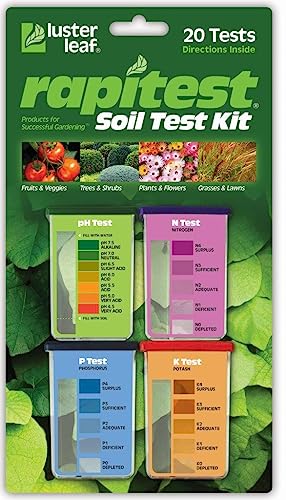
Quick, at home results for Soil pH, Nitrogen, Phosphorous and Potash Innovative and inexpensive soil test kit features an easy-to-use capsule system and patented color comparators

Accurate Soil pH Testing: Dewildetradingco Soil pH Test Strips offer measurements of soil pH levels (pH 3.5-9). As an essential tool for every gardener and grower, these test strips help determine the optimal pH for various plants, such as outdoor plants, indoor plants, gardens, grass lawns, fruit trees, flowers, vegetables, and forest shrubs.

Power Source Type: Battery Powered
