

Growing quince trees in pots in South Carolina is feasible with the right techniques. These trees thrive in containers when provided with adequate sunlight, proper soil, and consistent watering.
Best Quince Varieties for Container Growth
Choosing the appropriate quince variety is crucial for container growth. Varieties such as Smyrna and Pineapple are well-suited for pot cultivation due to their manageable size and adaptability. Look for healthy, disease-resistant plants to ensure a successful growing season. Consider the following factors when selecting a variety:
Climate compatibility: Ensure the variety can withstand South Carolina’s humidity.
Fruit use: Decide if you want quince for culinary purposes or ornamental value.
Growth habit: Select compact varieties for better container management.
Recommended Products

CULINARY QUINCE: 20 seeds of Cydonia Oblonga, a versatile fruit tree that produces large golden yellow fruits measuring 6-8 inches in diameter and weighing over 2 pounds each.

Ship SIZE: Grafted Membrillo Quince trees stands 4-6 feet tall, perfect for home orchards and smaller garden spaces

Suitable for backyard orchards, edible landscapes, and home garden planting in sunny locations
Potting Essentials for Quince Trees
When growing quince trees in pots, selecting the right materials and techniques is crucial for their success in South Carolina’s climate. This section outlines the essential components needed for potting quince trees, ensuring they thrive while providing the proper drainage, soil composition, and container size to support healthy growth.
To successfully grow quince trees in pots, gather the necessary supplies. The right pot, soil, and tools enhance growth and maintenance. Here’s a checklist of essential items:
| Item | Description |
|---|---|
| Pot | 15-20 gallon container with drainage holes |
| Soil | Well-draining potting mix with organic matter |
| Fertilizer | Balanced, slow-release fertilizer |
| Watering can | For consistent moisture control |
| Pruning shears | To maintain shape and health |
Recommended Products

OUTDOOR POTTING SOIL: Miracle-Gro Organic Outdoor Potting Mix contains a quick-release natural plant fertilizer and also feeds plants for up to 2 months

Hand Blended Money Tree Soil- Hand blended soil perfect for growing money tree plants, Great for repotting or planting money trees.

【Balanced pH Level】Our Money Tree Soil Mix is formulated to maintain a pH level that is neutral to slightly acidic, which is perfect for Money Trees to flourish
Pot and Soil Preparation for Quince
Proper preparation of the pot and soil is vital for healthy quince growth. Start by ensuring the pot has adequate drainage to prevent root rot. Fill the pot with a mixture of potting soil and compost to provide essential nutrients. Follow these steps:
Choose a pot that is at least 15 gallons in size.
Add drainage material like gravel at the bottom.
Fill with soil mixture, leaving space for the root ball.
Water the soil thoroughly before planting.
Recommended Products
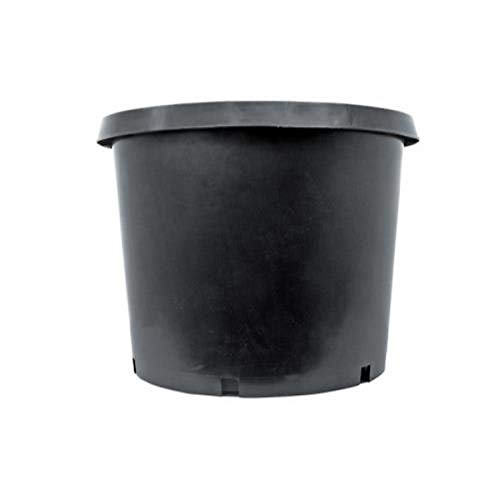
Durable, thick black plastic

Sturdy and durable - Plant pots are made of high quality PP plastic, which is tough, not easy to break or crack. Whether it is digging or daily use, it can withstand pressure and ensure a long service life.

Nutrient-Rich Organic Compost for Healthy Soil: Support stronger plant growth with this premium organic compost made from dairy cow manure. This all purpose soil amendment helps replenish essential nutrients often depleted after harvests, making it ideal for vegetable gardens, fruit trees, flowers, lawns and container plants.
Potting Strategies for Quince Trees
Successfully potting quince trees requires careful consideration of container size, soil type, and drainage. In South Carolina’s unique climate, selecting the right potting strategies can significantly impact growth and fruit production. This section will explore effective techniques to ensure your quince trees thrive in a potted environment.
Planting your quince tree correctly sets the foundation for growth. Ensure the tree is positioned well within the pot to encourage healthy root development. Follow these steps for successful planting:
Remove the tree from its nursery container gently.
Loosen the roots if they are tightly bound.
Place the tree in the center of the pot, ensuring the top of the root ball is level with the soil surface.
Fill in with soil and press down lightly to eliminate air pockets.
Watering and Fertilizing Quince Trees
Proper watering and fertilizing are crucial for the health and productivity of quince trees grown in pots, especially in South Carolina’s unique climate. Understanding the specific needs of these trees will help ensure robust growth and fruiting. This section provides essential guidelines for maintaining optimal moisture levels and nutrient balance for your potted quince trees.
Consistent watering and fertilizing are essential for thriving quince trees. Monitor soil moisture regularly to keep the roots hydrated without overwatering. Here are key guidelines:
Water deeply when the top inch of soil feels dry.
Fertilize every 6-8 weeks during the growing season with a balanced fertilizer.
Adjust watering frequency based on rainfall and temperature changes.
Sunlight and Temperature for Quince Pots
Understanding the optimal sunlight and temperature conditions is crucial for successfully growing quince trees in pots, especially in South Carolina’s unique climate. This section will explore the specific light requirements and temperature ranges that promote healthy growth and fruit production, ensuring your potted quince thrives throughout the seasons.
Quince trees require full sun for optimal growth. Position your pots in a location that receives at least 6-8 hours of direct sunlight daily.
Be aware of temperature fluctuations, especially during winter. Here are some tips:
Monitor temperature regularly; quince trees thrive in temperatures between 60°F and 75°F.
Provide shade during extreme heat to prevent leaf scorch.
Move pots indoors or to a sheltered area during frost warnings.
Pruning Techniques for Quince Tree Health
Pruning is essential for maintaining the health and shape of quince trees, especially when grown in pots. Proper techniques not only promote vigorous growth but also enhance fruit production. Understanding the right timing and methods for pruning can significantly impact the overall vitality of your quince tree in South Carolina’s unique climate.
Regular pruning helps maintain the shape and health of your quince tree. This practice encourages better air circulation and fruit production. Follow these steps for effective pruning:
Identify dead or diseased branches and remove them.
Trim back excessive growth to maintain a balanced shape.
Thin out crowded areas to improve light penetration.
Quince Tree Pot Growth Challenges
Growing quince trees in pots can be rewarding, but it also presents unique challenges, especially in South Carolina’s climate. Factors such as soil quality, watering needs, and temperature fluctuations can impact the health and productivity of your tree. Understanding these challenges is essential for successful cultivation and ensuring your quince tree thrives in a container.
Growing quince trees in pots can lead to several challenges. Recognizing and addressing these issues promptly is essential. Here are some common problems and solutions:
| Issue | Solution | Difficulty (1-5) |
|---|---|---|
| Root rot | Improve drainage and reduce watering | 3 |
| Leaf curl | Check for pests and treat accordingly | 4 |
| Poor fruit production | Ensure adequate sunlight and nutrients | 2 |
Always inspect your quince tree for signs of pests or disease to prevent severe damage.
Quince Harvesting Techniques and Culinary Uses
Harvesting quince requires careful timing and technique to ensure the fruit reaches its peak flavor and texture. In South Carolina, where climate plays a crucial role, understanding the right methods for picking and preparing quince can enhance both its culinary applications and overall enjoyment. This section explores effective harvesting practices and delicious ways to incorporate quince into your cooking.
Once your quince trees bear fruit, harvesting is straightforward. Wait until the fruits turn a yellowish hue, indicating ripeness.
Handle the fruit gently to avoid bruising. Enjoy your harvest in various culinary applications, from jams to desserts.
By following these guidelines, you can successfully grow quince trees in pots in South Carolina, ensuring a fruitful and rewarding gardening experience.
