

Almond trees can thrive in San Diego, CA, due to the region’s Mediterranean climate and well-drained soils. Proper care and selection of suitable varieties will enhance growth and yield in coastal areas.
Best Almond Tree Varieties for Coastal San Diego
When considering almond trees for coastal San Diego, selecting the right variety is crucial for successful growth and production. The unique climate and soil conditions of the region favor certain types of almond trees that thrive in these environments. This section explores the best almond tree varieties suited for San Diego’s coastal conditions, ensuring a fruitful harvest.
Choosing the right almond tree variety is crucial for successful cultivation in San Diego. The most suitable varieties include Nonpareil, Carmel, and Tuono. These types are known for their adaptability to coastal conditions and resistance to local pests.
Nonpareil: Popular for its high-quality nuts and consistent yields.
Carmel: Offers a robust flavor and is less susceptible to diseases.
Tuono: Known for its unique flavor and excellent market demand.
Understanding the characteristics of these varieties helps in selecting the best option for your garden.
Optimal Soil Quality for Almond Cultivation
Understanding the optimal soil quality for almond cultivation is crucial for successful growth in San Diego’s unique coastal environment. The right soil composition not only supports healthy root development but also influences water retention and nutrient availability, making it essential for farmers and gardeners alike to focus on these factors for thriving almond trees.
Almond trees prefer well-drained soils with a pH between 6.0 and 7.5. Soil quality directly impacts tree health and nut production. Conducting a soil test can help determine nutrient levels and amendments needed for optimal growth.
| Soil Type | pH Level | Drainage |
|---|---|---|
| Sandy Loam | 6.0-7.5 | Excellent |
| Clay Loam | 6.5-7.0 | Moderate |
| Silty Soil | 6.0-7.5 | Good |
Ensure that the planting site has adequate drainage to prevent root rot. Adding organic matter can improve soil structure and fertility.
Chilling Hour Needs for Almond Trees
Almond trees require specific chilling hours to thrive, making understanding these needs crucial for successful cultivation in San Diego’s coastal climate. This section delves into the chilling hour requirements essential for almond trees, ensuring optimal growth and productivity in the region’s unique environmental conditions.
San Diego’s climate is generally favorable for almond cultivation. Almond trees require a certain number of chilling hours during winter for proper bud development. The average winter temperatures in San Diego can meet these requirements.
Chilling Hours: Aim for 300-1,000 hours below 45°F.
Frost Risk: Monitor late spring frosts that can damage blossoms.
Planting in areas with good air circulation can mitigate frost risks and enhance tree health.
Irrigation Strategies for Almond Trees
Irrigation is a crucial factor in successfully cultivating almond trees, especially in San Diego’s coastal climate. Given the region’s unique weather patterns and soil conditions, implementing effective irrigation strategies can significantly enhance tree health and yield. This section explores various techniques tailored to optimize water usage and support almond tree growth in this specific environment.
Proper irrigation is essential for almond tree health. Overwatering can lead to root diseases, while underwatering can stunt growth. Implementing a drip irrigation system can provide consistent moisture while conserving water.
Watering Schedule: Water trees deeply every 2-3 weeks during dry periods.
Soil Moisture Monitoring: Use moisture sensors to prevent overwatering.
Adjusting the irrigation based on seasonal rainfall will help maintain optimal soil moisture levels.
Almond Tree Pest and Disease Control Methods
Effective pest and disease control is essential for maintaining healthy almond trees in San Diego’s coastal climate. This section explores various strategies and methods that can help growers protect their trees from common threats, ensuring optimal growth and productivity in this unique environment. Understanding these control measures is crucial for successful almond cultivation in the region.
Almond trees are susceptible to various pests and diseases, including aphids, spider mites, and brown rot. Regular monitoring and integrated pest management strategies can help control these issues effectively.
Aphids: Use insecticidal soap or introduce beneficial insects.
Brown Rot: Apply fungicides during flowering to prevent infection.
Implementing these strategies will protect the trees and ensure a healthy harvest.
Recommended Products
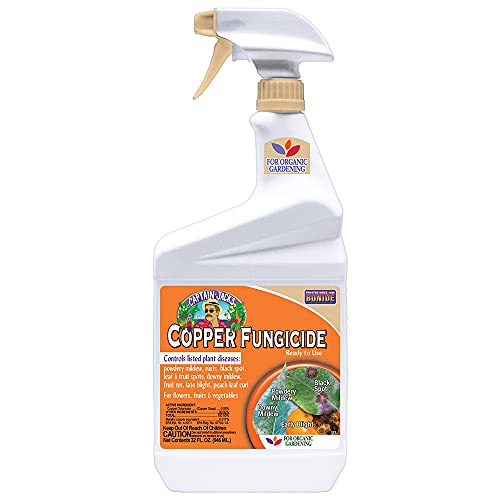
Control fungus and disease in your garden with Captain Jack’s ready-to-use Liquid Copper Fungicide!

INSECT KILLER: Army worm killer. Also kills insects such as Aphids, Spider Mites, Japanese Beetles, Caterpillars, and other listed insects

TRIPLE PROTECTION FORMULA: 3-in-1 solution kills listed insects, controls listed diseases, and controls listed mites with one easy application
Almond Harvest Timing and Handling Techniques
Understanding the optimal timing for almond harvesting and the best handling techniques is crucial for growers in San Diego, CA. With its unique coastal climate, the region presents specific challenges and opportunities that can impact both yield and quality. This section delves into the key practices that ensure a successful almond harvest in this area.
Harvesting almonds at the right time is vital for quality. Nuts should be collected when the hulls split open and nuts drop to the ground. Post-harvest handling involves cleaning and drying the nuts to prevent spoilage.
Harvest Timing: Monitor for hull splitting in late summer.
Drying Process: Spread nuts in a single layer and allow them to dry in a shaded area.
Proper post-harvest handling ensures the nuts maintain their quality and flavor.
Essential Supplies for Almond Orchard Success
Establishing a successful almond orchard in San Diego requires careful planning and the right supplies. From soil amendments to irrigation systems, each component plays a crucial role in ensuring healthy tree growth and optimal yields. Understanding these essential supplies will help aspiring almond growers navigate the unique challenges of cultivating in this coastal climate.
Establishing an almond orchard in San Diego involves several logistical considerations. Ensure that you have the necessary tools and supplies for planting, maintenance, and harvesting.
| Item | Purpose |
|---|---|
| Soil Test Kit | Assess soil quality |
| Drip Irrigation System | Efficient watering |
| Pruning Shears | Maintain tree shape |
| Pest Control Products | Manage infestations |
Having these items on hand will streamline the growing process and enhance productivity.
Recommended Products
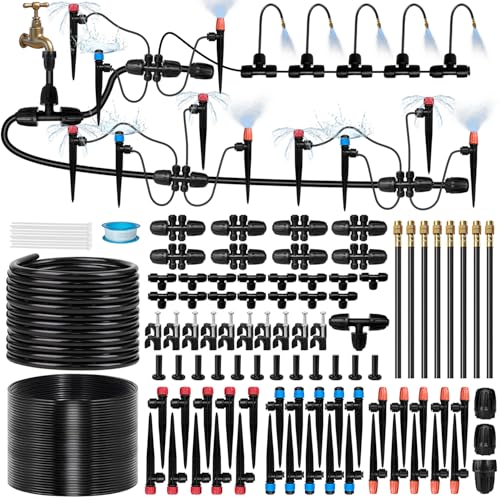
【Upgraded Tube Design & Water Saving】 Our garden watering system is upgraded to 1/2” diameter to support high water pressure. The 1/2” tee connector allows seamless splitting into 2 independent zones for customized watering schedules. By delivering moisture directly to root zones, this drip Irrigation system significantly reduces evaporation and runoff—saving more water compared to conventional sprinklers while eliminating the need for manual watering.
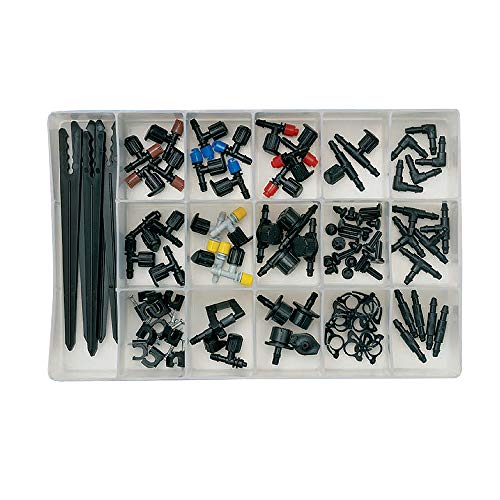
For optimizing plant health by applying water directly at the plant roots

TRUE QUICK CONNECT – NO LEAKS, NO STRUGGLE: Unlike traditional kits that require twisting and force-fitting, our quick-connect design lets you simply push tubing into place. Secure, leak-resistant connections every time — no tools needed.
Coastal Almond Cultivation Best Practices
Growing almond trees in San Diego’s coastal climate presents unique challenges and opportunities. Understanding the best practices for cultivation in this region can significantly enhance yield and tree health. This section delves into essential strategies tailored for successful almond farming along the California coast.
Almond trees can flourish in San Diego’s coastal environment with the right care and attention. Focus on selecting suitable varieties, maintaining soil health, and implementing effective pest management. Monitoring environmental conditions will lead to a successful almond harvest.
