

Growing pear trees in Hawaii can be rewarding with the right techniques. Understanding local climate conditions and soil requirements is essential for a successful harvest. This guide details how to cultivate these trees effectively in a tropical environment.
Hawaii’s Climate Impact on Pear Tree Growth
Hawaii’s unique climate plays a crucial role in the growth and development of pear trees, influencing their health and productivity. Understanding the specific weather patterns, soil conditions, and seasonal variations is essential for successful cultivation in this tropical environment. This section delves into how these climatic factors affect pear tree growth and what growers need to consider for optimal results.
Hawaii’s tropical climate presents unique challenges and benefits for growing pear trees. Temperatures remain warm year-round, which can promote rapid growth. However, humidity levels can lead to fungal diseases if not managed properly.
Key considerations include:
Temperature: Pear trees thrive in temperatures between 60°F and 75°F.
Humidity: High humidity can increase the risk of rot and disease.
Rainfall: Ensure proper drainage to prevent waterlogging.
Choose the Right Pear Varieties
Selecting the appropriate pear varieties is crucial for successful cultivation in Hawaii’s unique climate. With its warm temperatures and distinct humidity levels, certain types of pears thrive better than others. Understanding which varieties are best suited for tropical conditions will enhance your chances of a fruitful harvest.
Selecting the appropriate pear varieties is crucial for success in Hawaii. Not all pear types adapt well to tropical conditions. Some varieties are more resistant to humidity and pests, making them ideal for local cultivation.
Recommended varieties include:
Hood: A hardy variety that tolerates humidity well.
Kieffer: Known for its disease resistance and adaptability.
Asian Pears: These are often more suited to tropical climates and offer unique flavors.
| Variety | Disease Resistance | Flavor Profile | Growth Habit |
|---|---|---|---|
| Hood | High | Sweet | Upright |
| Kieffer | Moderate | Spicy | Spreading |
| Asian Pears | High | Crisp | Upright |
Soil Composition for Pear Tree Health
Understanding the right soil composition is crucial for growing healthy pear trees in Hawaii’s unique tropical environment. The island’s diverse soil types can significantly impact tree growth and fruit production. This section delves into the essential soil characteristics that support optimal pear tree health and productivity in the region.
Soil preparation is essential for healthy pear tree growth. The right soil composition supports root development and nutrient absorption.
Steps for preparing soil include:
Test Soil pH: Aim for a pH between 6.0 and 7.0.
Amend Soil: Incorporate organic matter like compost to improve drainage and fertility.
Mulch: Apply a layer of mulch to retain moisture and suppress weeds.
Recommended Products

STARTING A TROPICAL GARDEN- Comprised of real horticultural grade ingredients such as shredded coir husk, pine bark, perlite, sand, and garden lime; no pelletized fertilizer

【Ideal pH Balance】Our citrus soil is carefully calibrated to maintain an optimal pH level between 6.0 and 7.1, ensuring your citrus trees can absorb essential nutrients efficiently and thrive

All-Natural: Special blend for growing avocados in containers or as houseplants
Tropical Watering Strategies for Pear Trees
Understanding the unique watering needs of pear trees in Hawaii is essential for successful growth in the tropical climate. This section explores effective watering strategies tailored to the island’s conditions, ensuring your pear trees thrive while maximizing fruit yield. Discover how to balance moisture levels to promote healthy development and resilience against the elements.
Proper watering is vital for the health of pear trees in Hawaii. The tropical environment can lead to both overwatering and underwatering issues.
Effective watering strategies include:
Deep Watering: Water deeply but infrequently to encourage deep root growth.
Monitor Rainfall: Adjust watering based on rainfall to avoid water stress.
Drip Irrigation: Consider installing a drip irrigation system for consistent moisture levels.
Tropical Pest Control for Pear Trees
Managing pests is crucial for the health of pear trees in Hawaii’s tropical climate. This section explores effective strategies and natural methods to combat common pests that threaten these trees, ensuring a bountiful harvest. Understanding local pest dynamics will help you maintain robust pear trees and enhance your overall gardening success.
Managing pests and diseases is crucial for maintaining healthy pear trees. The tropical climate can encourage various pests that threaten your harvest.
Common pests include:
Pear Psylla: A sap-sucking insect that can weaken trees.
Codling Moth: Larvae can damage fruit, leading to loss.
Control methods include:
Natural Predators: Introduce beneficial insects like ladybugs.
Organic Pesticides: Use neem oil or insecticidal soap as a preventive measure.
Recommended Products

READY-TO-USE CONTACT SPRAY: No mixing required. Thoroughly spray insecticide on all plant parts, including the underside of leaves. Pests must be sprayed directly to achieve control

FUNGAL DISEASE CONTROL: Prevents and controls black spot on roses, powdery mildew, rust, downy mildew, and other listed fungal diseases when applied on a 7–14 day schedule

WITH HONEY & MILK CREAM: To help attract water, maintain moisture and provide lipids with gentle emollient properties to moisturize your skin for a soft, fresh glow.
Optimal Pear Harvesting Techniques
Harvesting pears in Hawaii requires specific techniques to ensure the fruit reaches its peak flavor and quality. Understanding the optimal timing and methods for picking can significantly enhance the yield and taste of your harvest. This section delves into the best practices for harvesting pears in the unique tropical climate of Hawaii.
Knowing when and how to harvest pears is essential for maximizing flavor and shelf life. Pears often ripen off the tree, so timing is critical.
Harvesting tips include:
Check Firmness: Gently squeeze the fruit; it should yield slightly.
Timing: Harvest when the color changes and the fruit is mature.
Storage: Store in a cool, dark place to prolong freshness.
| Harvesting Method | Best Time to Harvest | Storage Tips |
|---|---|---|
| Hand-Picking | Late summer to fall | Keep in cool area |
| Using Clipper | When firm | Avoid direct sunlight |
Plan for Seasonal Care
Successfully growing pear trees in Hawaii requires careful planning for seasonal care to ensure healthy growth and fruit production. Understanding the unique climate conditions and seasonal variations in the region will help you tailor your maintenance practices. This section outlines essential strategies to keep your pear trees thriving throughout the year.
Seasonal care is vital for the ongoing health of pear trees. Different times of the year require specific attention to ensure optimal growth and fruit production.
Seasonal tasks include:
Spring: Fertilize and prune for shape and health.
Summer: Monitor for pests and diseases.
Fall: Prepare trees for winter by mulching and watering.
Neglecting seasonal care can lead to reduced yields and tree health.
Recommended Products
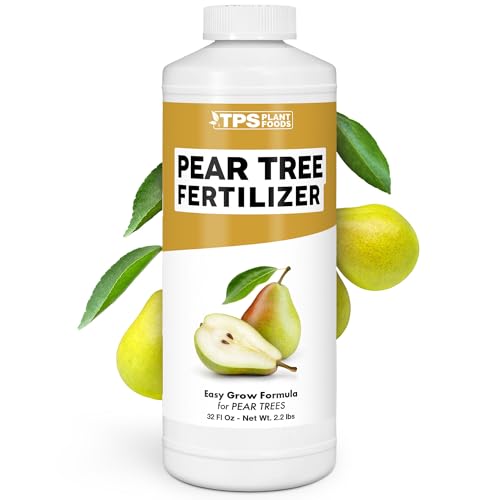
Supports Fruit Production & Growth – Helps promote consistent fruit development, healthy foliage, and overall tree performance.

Supports Fruit Production & Growth – Helps promote consistent fruit development, healthy foliage, and overall tree performance.

Down to Earth Fruit Tree is a five pound box of all natural fertilizer with 6-2-4 formula and is listed by the Organic Materials Review Institute (OMRI) for use in organic production
