

Growing star fruit trees in South Carolina requires careful planning and specific techniques to ensure successful cultivation. Proper soil preparation, climate considerations, and pest management are crucial for thriving trees that produce abundant fruit.
Star Fruit Tree Needs for South Carolina
Star fruit trees thrive in warm climates with well-drained soil. They prefer a pH level between 6.0 and 7.0 and need full sun exposure for optimal growth. In South Carolina, the climate can be suitable, but attention to frost protection is necessary.
Soil Testing for Star Fruit in South Carolina
Understanding the soil conditions is crucial for successfully growing star fruit trees in South Carolina. Soil testing provides valuable insights into nutrient levels, pH balance, and overall health, enabling growers to make informed decisions for optimal planting and care. This section will guide you through the essential steps for effective soil testing tailored to star fruit cultivation.
Before planting, conduct a soil test to determine nutrient levels. Amend the soil based on the test results to create a nutrient-rich environment.
Use organic compost to enhance soil structure.
Incorporate perlite for improved drainage.
Add lime to raise pH if necessary.
| Soil Component | Purpose |
|---|---|
| Organic Compost | Nutrient enhancement |
| Perlite | Drainage improvement |
| Lime | pH adjustment |
Best Star Fruit Varieties for South Carolina
When selecting star fruit varieties for cultivation in South Carolina, it’s essential to consider factors such as climate adaptability, disease resistance, and flavor profile. This section highlights the best options suited for the region, ensuring successful growth and a bountiful harvest. Understanding these varieties can help both novice and experienced gardeners make informed choices for their orchards.
Choosing the right variety is essential for successful growth in South Carolina. Some varieties are better suited for local conditions.
Recommended Products
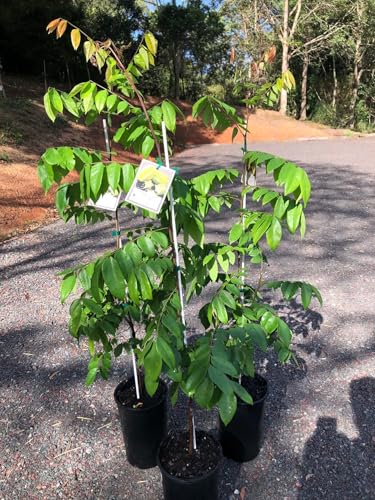
Starfruit Tree Live Carambola Tree You will receive the tree, no the fruit

Imagine stepping into your backyard and seeing a tropical tree that feels bright, fresh, and full of life. That is the experience a Star Fruit Tree (Averrhoa carambola) creates as it matures.

Averrhoa carambola Seed,Carambola Fruit Seeds , Star fruit Seed
Best Star Fruit Varieties for South Carolina
When selecting star fruit varieties for South Carolina, it’s essential to consider local climate conditions and soil types. Certain cultivars thrive better in the region, offering optimal fruit production and flavor. This section highlights the best star fruit varieties suited for South Carolina, ensuring successful growth and a bountiful harvest.
Carambola: Popular for its sweet flavor and high yield.
Fwang Tung: Known for its disease resistance and adaptability.
Dwarf Varieties: Ideal for smaller spaces and container gardening.
Star Fruit Tree Planting Methods in South Carolina
When planting star fruit trees in South Carolina, understanding the local climate and soil conditions is essential for successful growth. This section outlines effective planting methods tailored to the region, ensuring that your star fruit trees thrive and produce abundant fruit. From site selection to planting techniques, these tips will help you establish healthy trees in your garden.
Proper planting techniques can significantly affect the success of your star fruit trees. Follow these steps for best results.
Choose a sunny location with good air circulation.
Dig a hole twice the width of the root ball and equal depth.
Place the tree in the hole and backfill with amended soil.
Water thoroughly to eliminate air pockets.
Recommended Products

Feed the soil not the plants - stimulate microbial activity in your soil and boost probability of success with all types of plants… like composting but faster
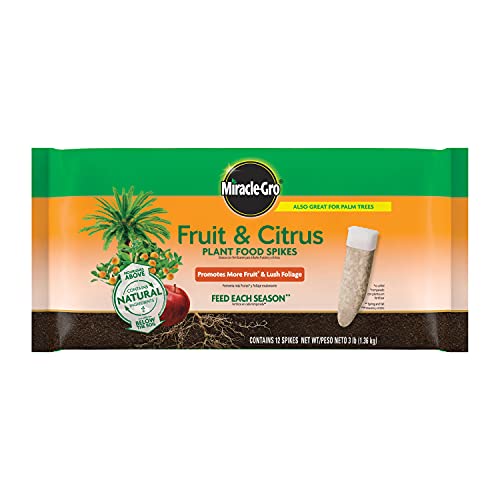
FORMULATED FOR CITRUS AND FRUIT TREES: Use these citrus fertilizer spikes on apple, orange, lemon, lime, and avocado trees; this formula is also great for feeding palm trees

Down to Earth Fruit Tree is a five pound box of all natural fertilizer with 6-2-4 formula and is listed by the Organic Materials Review Institute (OMRI) for use in organic production
Star Fruit Tree Watering Guide for South Carolina
Proper watering is crucial for the successful growth of star fruit trees in South Carolina’s unique climate. Understanding the specific watering needs of these trees can help ensure they thrive and produce healthy fruit. This guide will provide essential tips on how to effectively manage water for your star fruit trees throughout the growing season.
Star fruit trees require consistent moisture, especially during dry spells.
Water weekly during dry months.
Apply a balanced fertilizer every 6-8 weeks during the growing season.
Reduce watering in winter months to prevent root rot.
Pest Control for Star Fruit Trees in South Carolina
Managing pests is crucial for the health and productivity of star fruit trees in South Carolina. This region’s unique climate can attract various insects and diseases that threaten these tropical trees. Understanding effective pest control strategies will help ensure a bountiful harvest and robust tree growth.
Pest control is vital for maintaining healthy star fruit trees. Regular monitoring and preventive measures can minimize issues.
Recommended Products

KILLS LISTED FRUIT & CITRUS TREE INSECTS: Controls Asian Citrus Psyllid, Whiteflies, Aphids Thrips, Citrus Leafminers, Leafhoppers, Blackfly, Mealybugs, Scales, Avocado Lacebugs, Oriental Beetles, Flea Beetles, Sharpshooters, and Spittlebugs

TRIPLE PROTECTION FORMULA: 3-in-1 solution kills listed insects, controls listed diseases, and controls listed mites with one easy application

Star Fruit Tree Pest Issues in South Carolina
Star fruit trees, while thriving in South Carolina’s climate, can face various pest challenges that affect their growth and fruit production. Understanding these common pest issues is crucial for maintaining healthy trees and ensuring a bountiful harvest. This section delves into the specific pests that may target star fruit trees in the region and offers practical solutions for managing them effectively.
Scale Insects: Treat with insecticidal soap.
Fruit Flies: Use traps to catch adult flies.
Spider Mites: Increase humidity around the tree to deter them.
Star Fruit Tree Pest Inspection Tips
Maintaining healthy star fruit trees in South Carolina requires vigilance against pests that can threaten their growth and fruit production. Regular inspection is essential to identify and manage infestations early, ensuring robust trees and a bountiful harvest. The following tips will guide you in effectively monitoring and protecting your star fruit trees from common pests.
Inspect trees regularly for signs of pests.
Maintain cleanliness in the surrounding area to reduce infestations.
Encourage beneficial insects like ladybugs to control pest populations.
Optimal Star Fruit Harvesting in South Carolina
Harvesting star fruit in South Carolina requires careful timing and technique to ensure the best flavor and quality. Understanding the optimal harvest period and the signs of ripeness will help you maximize your yield. This section provides essential insights and practical tips for successfully harvesting star fruit in the region.
Harvesting at the right time ensures the best flavor and texture.
Look for golden-yellow color with a slight firmness.
Use pruning shears to cut the fruit from the tree.
Handle gently to avoid bruising.
Star Fruit Storage Methods in South Carolina
Proper storage methods are essential for preserving the freshness and flavor of star fruit harvested in South Carolina. Understanding the best practices for storing this tropical fruit can help maintain its quality and extend its shelf life, ensuring that you enjoy its unique taste long after the harvest season. Here are effective techniques tailored for local conditions.
Store harvested fruit at room temperature for a few days.
Refrigerate any excess to prolong freshness.
Star Fruit Tree Growth Challenges in South Carolina
Growing star fruit trees in South Carolina presents unique challenges due to the region’s climate and soil conditions. Understanding these obstacles is essential for successful cultivation, as factors like temperature fluctuations, humidity levels, and pest management can significantly impact tree health and fruit production. This section explores the specific difficulties faced by gardeners in the area.
Understanding potential growth issues can help prevent crop failure.
Star Fruit Tree Leaf Drop Solutions in South Carolina
Star fruit trees can experience leaf drop, particularly in the variable climate of South Carolina. Understanding the causes of this issue is essential for maintaining healthy trees. The following solutions will help you address leaf drop effectively and ensure your star fruit trees thrive in the region.
Leaf Drop: Often due to environmental stress or overwatering.
Poor Fruit Set: Can occur from inadequate pollination.
| Issue | Possible Cause | Solution |
|---|---|---|
| Leaf Drop | Environmental stress | Adjust watering and protect from wind |
| Poor Fruit Set | Inadequate pollination | Hand-pollinate flowers if necessary |
Seasonal Impact on Star Fruit Growth in South Carolina
Understanding the seasonal impact on star fruit growth is crucial for successful cultivation in South Carolina. The state’s unique climate conditions, including temperature variations and rainfall patterns, play a significant role in the development and yield of these tropical trees. This section explores how each season influences star fruit growth and offers insights for optimizing planting strategies.
Seasonal changes can impact the growth of star fruit trees.
Winter Protection: Use frost cloths to shield young trees from cold.
Summer Care: Ensure adequate watering during hot spells.
Regularly monitor your trees for signs of stress and adjust care as needed.
