

Growing banana trees in Minneapolis requires special care due to severe winter conditions. To successfully cultivate these tropical plants, you must provide proper protection during the cold months and select the right varieties suited for your climate.
Choose Cold-Hardy Banana Varieties
When growing banana trees in Minneapolis, selecting the right cold-hardy varieties is crucial for success. These varieties are specifically bred to withstand lower temperatures, making them more suitable for the harsh winters of the region. Understanding which types thrive in colder climates will help ensure your banana trees flourish despite the challenges posed by severe winter conditions.
Selecting the right banana tree variety is crucial for successful growth in colder climates. Some varieties can withstand lower temperatures better than others.
Look for cold-hardy options that can survive in USDA Zones 4-7. The following varieties are recommended:
Basjoo: This is one of the hardiest banana plants, tolerating temperatures down to -10°F.
Musa acuminata: Known for its sweet fruit, it can survive mild winters with proper care.
Dwarf Orinoco: This variety is compact and can handle cooler temperatures.
Recommended Products
![Greenwood Nursery: Live Perennial Plants - Musa Basjoo Cold Hardy Banana - [Qty: 2X Pint Pots] - (Click for Other Available Plants/Quantities)](https://m.media-amazon.com/images/I/51cl7jVVE3L._SL500_.jpg)
🌿 [INFO1] - Gives a tropical look to your garden. Grows from the Southern U.S. all the way to the southern part of Canada. A hardy Flowering Banana plant provides a tropical plant or jungle garden feel for pool landscapes, zen gardens and also makes an excellent container plant for porches, decks, patios & sunny areas of the house. The yellow orange flowers will produce small ornamental fruits that are not edible.

USDA hardiness zones 9-11
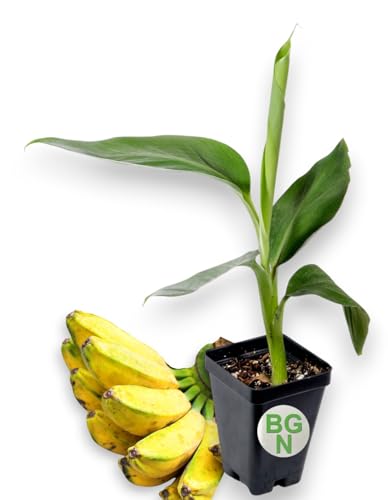
Size and Growth: The California Gold Banana plant is compact yet striking, reaching a mature height of about 5 to 7 feet. This manageable size makes it perfect for smaller spaces, urban gardens, or even as a potted plant on patios and balconies. Despite its smaller stature compared to other banana varieties, it delivers lush, wide leaves that lend a distinctly tropical feel to any setting.
Banana Varieties for Cold Climates
When considering banana trees for colder climates like Minneapolis, it’s essential to choose varieties that can withstand lower temperatures. Some banana types have shown resilience against the chill, allowing gardeners to enjoy tropical fruits even in harsher conditions. This section explores the best banana varieties suited for growth in cold climates, ensuring successful cultivation despite severe winters.
| Variety | Cold Tolerance | Height | Fruit Quality |
|---|---|---|---|
| Basjoo | -10°F | 10-15 ft | Edible |
| Musa acuminata | 20°F | 6-10 ft | Sweet |
| Dwarf Orinoco | 15°F | 4-6 ft | Excellent |
Winter Care Strategies for Banana Trees
Caring for banana trees in Minneapolis during the harsh winter months requires careful planning and specific strategies to ensure their survival. The following tips will guide you in protecting these tropical plants from freezing temperatures while maximizing their chances of thriving once spring arrives. Implementing these winter care techniques is essential for successful banana cultivation in a colder climate.
Preparing your banana trees for winter is essential to ensure their survival. Proper insulation and care can make a significant difference in how well they endure the cold. Follow these steps for effective winter preparation:
Prune the leaves to reduce wind resistance.
Wrap the trunk with burlap or frost cloth for insulation.
Mulch around the base with straw or wood chips to retain soil warmth.
Recommended Products

Revolutionary Anti-freeze Protection: Plant covers freeze protection is made of 100% Reliable non-woven thickened polypropylene fabric Because the frost cloth fabric Thickness is 3.2 oz/yd² thicker and warmer, tear resistant than less expensive 1.3 oz/yd² fabric. Provides up to 2° F(-17℃) frost protection. In winter, frost blankets for outdoor plants can form a insulation layer for plants to isolate cold air and retain the oxygen required for plant respiration

The Large plant cover is perfect for Plant size 55''-70"high and 84''-94" round, Heavy-weight FRCs (1.77oz./sq. yard): usually used to extend the growing season in spring and fall, allow 40%-60% light transmittance, and recommend 3°-8°F of freeze protection

PACKAGE: The package includes 4Pcs plant covers,will meet your daily use or replacement. Measuring 31.5" x 47.3", the plant protector is waterproof, windproof.
Winter Protection Strategies for Banana Trees
Growing banana trees in Minneapolis presents unique challenges due to the harsh winters. To ensure these tropical plants survive the frigid temperatures, it’s essential to implement effective winter protection strategies. This section outlines practical methods to safeguard your banana trees and help them thrive despite the severe cold.
Monitor the temperature regularly to anticipate cold snaps.
Use heat lamps or blankets during extreme cold.
Avoid watering too late in the season to prevent root rot.
Microclimate Strategies for Banana Trees
Creating a suitable microclimate is essential for successfully growing banana trees in Minneapolis, where harsh winters pose significant challenges. By strategically utilizing natural and artificial elements, gardeners can enhance warmth and protection for these tropical plants, allowing them to thrive despite the cold. This section explores effective strategies to establish and maintain a favorable environment for banana trees in a northern climate.
Establishing a microclimate can enhance the growth of banana trees in Minneapolis. This involves creating a sheltered environment that retains warmth and moisture. Here are some strategies to consider:
Plant near a south-facing wall to absorb heat.
Use windbreaks such as fences or shrubs to shield from harsh winds.
Consider using greenhouses or cold frames for additional protection.
Optimal Sunlight Microclimate Strategies
Creating an optimal sunlight microclimate is essential for successfully growing banana trees in Minneapolis, where harsh winters pose unique challenges. By strategically positioning your plants and utilizing reflective surfaces, you can enhance their exposure to sunlight, promoting healthier growth and resilience. These strategies will help ensure your banana trees thrive despite the region’s severe weather conditions.
Identify the best location with maximum sunlight.
Install windbreaks to reduce exposure.
Monitor humidity levels to ensure adequate moisture.
Maximizing Banana Growth in Short Seasons
Growing banana trees in Minneapolis presents unique challenges due to the region’s short growing season. To maximize banana growth despite the limited warm months, it’s essential to adopt specific strategies that enhance their development and prepare them for the harsh winters. This section will explore effective techniques to ensure your banana trees thrive in this climate.
Understanding the growing season is vital for successful banana cultivation. Minneapolis has a short growing season, so it’s essential to maximize every opportunity for growth. Here are key points to consider:
Start seeds indoors 6-8 weeks before the last frost.
Transplant outdoors after the threat of frost has passed.
Fertilize regularly with a balanced fertilizer to promote healthy growth.
Indoor Seed Starting Guide
Starting banana trees from seeds indoors can be a rewarding endeavor, especially in a climate like Minneapolis where winters can be harsh. This guide will provide essential tips and techniques for successfully germinating and nurturing banana seeds indoors, ensuring that your plants thrive despite the cold weather outside.
| Task | Timing | Notes |
|---|---|---|
| Start seeds indoors | 6-8 weeks prior | Use seed trays |
| Transplant outdoors | After last frost | Ensure soil is warm |
| Fertilize | Monthly | Use balanced fertilizer |
Pest and Disease Monitoring Strategies
Effective pest and disease monitoring is crucial for successfully growing banana trees in Minneapolis, especially given the region’s challenging climate. Understanding common threats and implementing proactive strategies can help ensure the health of your plants. This section outlines practical approaches to keep your banana trees thriving despite potential infestations and diseases.
Pests and diseases can threaten banana trees, especially in a non-native environment. Regular monitoring and proactive measures can help maintain plant health. Key pests to watch for include:
Aphids: Small insects that can weaken plants.
Spider mites: Cause leaf damage and discoloration.
Fungal infections: Can lead to root rot or leaf blight.
Insecticidal Soap for Aphid Control
Insecticidal soap is an effective solution for managing aphid infestations on banana trees, particularly in the unique climate of Minneapolis. This eco-friendly option targets aphids without harming beneficial insects, making it a valuable tool for gardeners. Understanding how to properly apply and utilize insecticidal soap can help ensure the health and productivity of your banana trees.
Use insecticidal soap for aphids and mites.
Ensure good air circulation to prevent fungal growth.
Regularly inspect plants for early signs of trouble.
Banana Tree Care Strategies for Cold Climates
Caring for banana trees in cold climates like Minneapolis requires specific strategies to ensure their survival through harsh winters. Understanding the unique needs of these tropical plants can help gardeners successfully cultivate them despite the challenges posed by severe weather. This section outlines effective care techniques tailored for banana trees in regions with frigid temperatures.
Growing banana trees in Minneapolis is challenging but achievable with the right strategies. Focus on selecting hardy varieties, preparing for winter, and creating a supportive environment. Regular monitoring and maintenance will enhance your chances of success.
