

Growing apricot trees in Reno, NV requires specific strategies due to the high desert climate. Proper care and selection of varieties are essential for successful fruit production in this unique environment.
Best Apricot Varieties for High Desert Conditions
Selecting the right apricot varieties is crucial for successful cultivation in the high desert climate of Reno, NV. The unique environmental conditions, including temperature fluctuations and soil types, require specific cultivars that thrive in these challenging settings. This section highlights the best apricot varieties suited for high desert conditions, ensuring a fruitful harvest.
Choosing the right apricot varieties is crucial for thriving in Reno’s high desert conditions. Look for varieties that are cold-hardy and can withstand temperature fluctuations. Some recommended types include:
Tilton: Known for its sweet fruit and adaptability.
Katy: Early-bearing with good disease resistance.
Blenheim: Offers rich flavor and is drought-tolerant.
These varieties are more likely to succeed in the local climate and produce abundant fruit.
Soil Quality for Apricot Growth
The soil quality in Reno can vary significantly, impacting the growth of apricot trees. Conduct a soil test to determine pH and nutrient levels. Apricots prefer well-draining soil with a pH between 6.0 and 7.0. Consider the following soil amendments:
Organic compost: Improves soil structure and nutrient content.
Gypsum: Enhances drainage in clay soils.
Lime: Raises pH if the soil is too acidic.
Incorporating these amendments can lead to healthier trees and better fruit yields.
Irrigation Strategies for Apricot Trees
Effective irrigation is crucial for the health and productivity of apricot trees in the unique climate of Reno, NV. Given the high desert conditions, understanding the best practices for watering can significantly impact tree growth and fruit yield. This section explores tailored irrigation strategies to ensure your apricot trees thrive in this challenging environment.
Proper irrigation is vital for apricot trees in Reno’s arid climate. The trees require consistent moisture, especially during the growing season. Implement these irrigation methods:
Drip irrigation: Provides targeted moisture to the root zone.
Soaker hoses: Efficiently deliver water while minimizing evaporation.
Mulching: Reduces soil temperature and retains moisture.
Regularly monitor soil moisture levels to avoid over- or under-watering.
Recommended Products

NO MORE HARD INSTALLATION - SET UP IN MINUTES. Tired of struggling with stiff barbed fittings? This drip irrigation system features quick-connect fittings that let you push, lock, and secure tubing effortlessly. No tools, no leaks, just a smooth setup experience. Enjoy a frustration-free installation and get your garden watering system running in minutes.
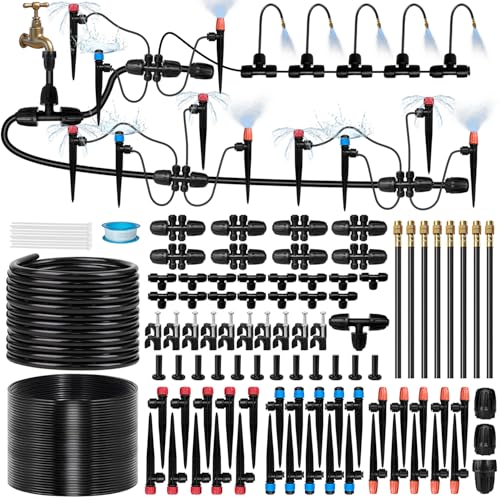
【Upgraded Tube Design & Water Saving】 Our garden watering system is upgraded to 1/2” diameter to support high water pressure. The 1/2” tee connector allows seamless splitting into 2 independent zones for customized watering schedules. By delivering moisture directly to root zones, this drip Irrigation system significantly reduces evaporation and runoff—saving more water compared to conventional sprinklers while eliminating the need for manual watering.
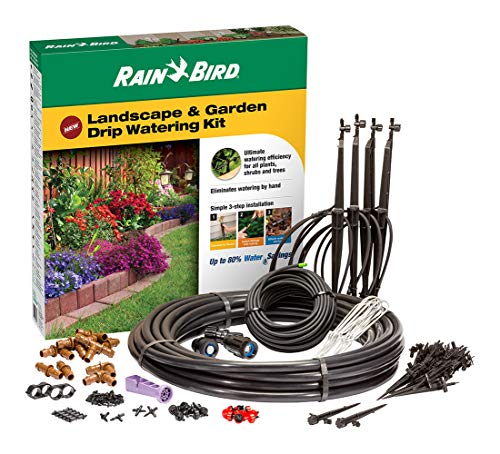
Comprehensive 108-piece kit for flower beds, gardens and landscaped areas; eliminates hand watering, saves time and money
Fertilization Techniques for Apricot Trees
Fertilizing apricot trees in Reno’s high desert environment requires careful consideration of soil conditions and nutrient needs. Understanding the specific fertilization techniques suited for this unique climate can significantly enhance tree health and fruit production. This section explores effective methods to ensure your apricot trees thrive in the challenging conditions of the region.
Fertilization plays a key role in the health of apricot trees. Use a balanced fertilizer designed for fruit trees. Follow these guidelines:
Spring application: Apply fertilizer as new growth begins.
Rate: Use approximately 1 pound of fertilizer per year of tree age, up to 10 pounds.
Organic options: Consider fish emulsion or bone meal for a natural approach.
Proper fertilization supports robust growth and enhances fruit quality.
Recommended Products

Let our professionally formulated plant food help your fruit tree grow healthy, strong AND abundantly producing

FORMULATED FOR CITRUS AND FRUIT TREES: Use these citrus fertilizer spikes on apple, orange, lemon, lime, and avocado trees; this formula is also great for feeding palm trees

Pest Control Strategies for Apricot Trees
Managing pests is crucial for the health of apricot trees in Reno’s unique high desert environment. Understanding common pests and implementing effective control strategies can help ensure a fruitful harvest. This section explores practical approaches to protect your apricot trees from potential threats.
Pest and disease management is essential for healthy apricot trees. Common issues include aphids, peach leaf curl, and brown rot. Implement these strategies:
Regular inspections: Check for signs of pests or disease.
Neem oil: A natural pesticide that controls various pests.
Fungicides: Apply during the dormant season to prevent diseases.
Early detection and treatment can save trees from severe damage.
Recommended Products
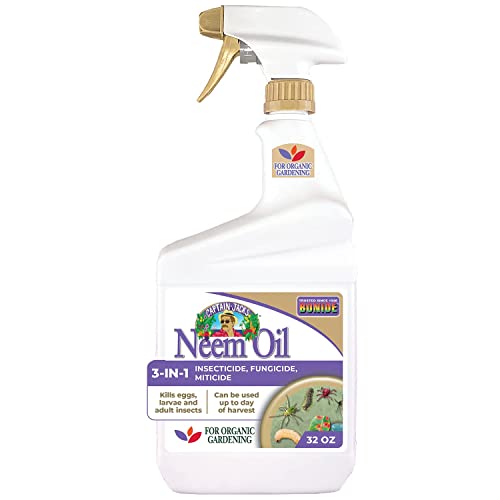
Protect your oasis with 3 garden products in 1 from Captain Jack’s; Bonide Captain Jack’s Ready-to-Use Neem Oil spray for plants is a multi-purpose fungicide, insecticide and miticide for your lawn & garden
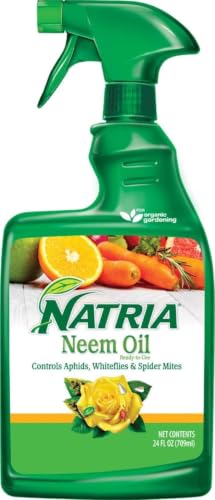
PLANT DISEASE CONTROL: Natria Neem Oil acts as an insecticide and fungicide in one convenient spray; Ready-to-use trigger sprayer requires no mixing

FUNGAL DISEASE CONTROL: Prevents and controls black spot on roses, powdery mildew, rust, downy mildew, and other listed fungal diseases when applied on a 7–14 day schedule
Logistical Considerations for Apricot Farming
When considering apricot farming in Reno, NV, it’s essential to navigate the unique logistical challenges posed by the high desert mountain environment. Factors such as soil quality, irrigation methods, and climate variability play crucial roles in the successful cultivation of these trees. Understanding these elements will help ensure a fruitful apricot harvest in this distinct region.
Understanding the logistics of apricot cultivation in Reno can streamline your efforts. Consider the following factors:
| Factor | Consideration |
|---|---|
| Planting Time | Late winter to early spring |
| Harvest Time | Late summer to early fall |
| Spacing Requirements | 15-20 feet between trees |
These logistical details ensure that your trees have enough space and resources to thrive.
Seasonal Care for Apricot Trees
Caring for apricot trees in the unique climate of Reno, NV requires a tailored approach that considers seasonal changes. Understanding the specific needs of these trees throughout the year will help ensure healthy growth and fruitful harvests. This section provides essential guidance on how to effectively manage apricot trees in the high desert mountain environment.
Reno’s climate can bring extreme seasonal changes, impacting apricot trees. Prepare for these conditions with the following actions:
Winter protection: Wrap trunks with burlap to prevent frost damage.
Spring frost: Use frost cloths to cover blossoms during late frosts.
Summer heat: Provide shade cloth during extreme heat events.
Being proactive can significantly enhance the survival and productivity of your trees.
Optimal Practices for Apricot Cultivation
Growing apricot trees in Reno requires careful planning and attention to detail. Select appropriate varieties, manage soil and water effectively, and stay vigilant against pests and diseases. By following these guidelines, you can enjoy a fruitful harvest in the challenging high desert environment.
