

Growing apricot trees in Denver, CO is achievable with careful planning and attention to local climate conditions. High altitude and temperature fluctuations can challenge growth, but selecting the right varieties and employing effective techniques can lead to successful fruit production.
Best Apricot Varieties for Denver’s Climate
Selecting the right apricot varieties is crucial for successful cultivation in Denver’s unique climate. The high altitude and varying temperatures can impact fruit quality and tree health, making it essential to choose varieties that thrive under these conditions. This section highlights the best apricot options for gardeners looking to maximize their yield and ensure robust growth.
Choosing the appropriate apricot variety is crucial for success in Denver’s unique climate. The high altitude and potential for late frosts necessitate varieties that can withstand these conditions. Look for cultivars known for their hardiness and adaptability.
Recommended Products

🌱 4 LIVE CHICAGO HARDY FIG STARTER PLANTS – Receive healthy, vigorous live plants for planting, ready to thrive and produce delicious figs in your home garden.

Premium Peach Variety: Sweet, juicy fruit-bearing peach tree seeds perfect for growing delicious homegrown peaches in your backyard or orchard
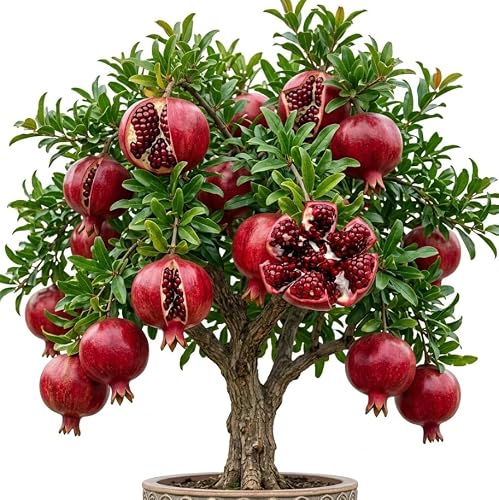
Each order includes a live red pomegranate plant, carefully grown and ready to thrive in your garden or home.
Top Apricot Varieties for Denver’s Climate
Selecting the right apricot varieties is crucial for successful cultivation in Denver’s unique climate. With its high altitude and varying temperatures, certain types thrive better than others. This section explores the top apricot varieties that are well-suited for the challenges and advantages of growing in this region.
Some varieties to consider include:
Tilton: Known for its excellent flavor and adaptability.
Harcot: Early-bearing and frost-resistant.
Goldcot: Offers good disease resistance and a sweet flavor.
These varieties can thrive in Denver’s climate, providing a better chance for a fruitful harvest.
High Altitude Apricot Cultivation Challenges
Growing apricot trees in Denver presents unique challenges due to the region’s high altitude and variable climate. Factors such as intense sunlight, temperature fluctuations, and soil conditions can significantly impact tree health and fruit production. Understanding these challenges is crucial for successful cultivation in this specific environment.
Denver’s climate presents specific challenges for growing apricot trees. The high altitude can lead to rapid temperature changes, affecting tree health and fruit development. Understanding these challenges is essential for successful cultivation.
Temperature Variability Impact on Apricots
Temperature variability plays a crucial role in the successful cultivation of apricot trees in Denver’s high-altitude climate. Understanding how fluctuations in temperature affect growth, flowering, and fruiting can help gardeners optimize their care strategies. This section delves into the specific impacts of temperature changes on apricot trees, providing insights for effective management.
Temperature Fluctuations: Late frosts can damage blossoms.
Low Humidity: Can lead to issues with pollination and fruit set.
Soil Conditions: Well-drained soil is critical for root health.
By being aware of these factors, you can take proactive steps to mitigate their impact.
Soil Preparation Techniques for Apricot Trees
Preparing the right soil is crucial for successfully growing apricot trees in Denver’s unique high-altitude environment. The soil’s composition directly impacts the trees’ health and fruit production, making it essential to understand the specific techniques that enhance soil quality. This section will explore effective methods to ensure optimal conditions for your apricot trees.
Soil preparation is vital for the successful growth of apricot trees. Proper soil conditions will support healthy root development and nutrient uptake.
Recommended Products

Kindly NOTE: This soil tester can not be applied to test pH value of any other liquid. If the soil is too dry the indicator will not move, and water it before testing.

Quick, at home results for Soil pH, Nitrogen, Phosphorous and Potash Innovative and inexpensive soil test kit features an easy-to-use capsule system and patented color comparators

Accurate Soil pH Testing: Dewildetradingco Soil pH Test Strips offer measurements of soil pH levels (pH 3.5-9). As an essential tool for every gardener and grower, these test strips help determine the optimal pH for various plants, such as outdoor plants, indoor plants, gardens, grass lawns, fruit trees, flowers, vegetables, and forest shrubs.
Optimal Soil pH for Apricot Growth
Understanding the optimal soil pH is crucial for successfully growing apricot trees in Denver’s unique high-altitude environment. The right pH level not only influences nutrient availability but also impacts overall tree health and fruit yield. This section will delve into the specific soil requirements that support thriving apricot trees in this challenging climate.
Test Soil pH: Aim for a pH between 6.0 and 7.0.
Amend Soil: Incorporate organic matter such as compost to improve drainage and nutrient content.
Ensure Drainage: Create raised beds if necessary to prevent waterlogging.
These steps will create an optimal environment for your trees.
Optimal Watering Strategies for Apricot Trees
Effective watering is crucial for the success of apricot trees in Denver’s high-altitude climate. Given the region’s unique weather patterns and soil conditions, understanding optimal watering strategies can significantly enhance tree health and fruit production. This section explores the best practices to ensure your apricot trees receive the right amount of moisture throughout their growth cycle.
Effective watering is essential for the health of your apricot trees. Overwatering or underwatering can lead to root rot or stress, impacting fruit production.
Recommended Products

【Even & Consistent Root Watering】Features micro-pore seepage technology that distributes water evenly along the entire hose, transforming spot watering into uniform line watering directly to plant roots. Unlike traditional drip irrigation systems with clog-prone emitters, this soaker hose creates a continuous moisture band for healthier, deeper-rooted plants
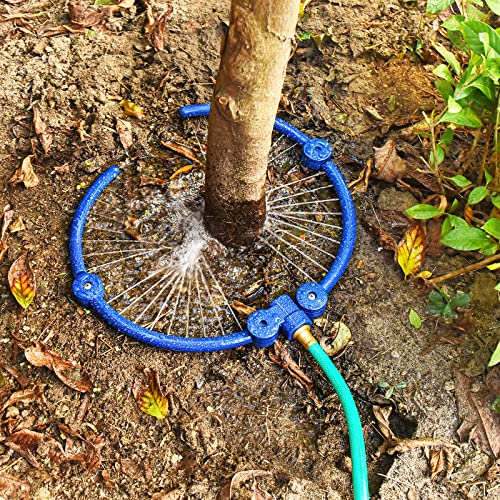
【Specially Designed for Trees and Shrubs】 The Watering Ring is a multi-purpose irrigation ring that attaches to a garden hose to efficiently water young trees shrubs vegetables or flower beds using drip or trickle irrigation.It directs water to the root perimeter of the plant to give them a good start during the first two growing seasons or through periods of drought.

Heavy duty push-on plastic couplings — Cut, shorten, or expand the hose to any length and connect multiple sections for a leak-proof, custom-fit drip irrigation system
Deep Watering Techniques for Apricot Trees
Deep watering is essential for the successful growth of apricot trees in Denver’s high-altitude climate. This technique ensures that the trees receive adequate moisture, promoting healthy root development and resilience against drought. Understanding the best practices for deep watering can significantly enhance the vitality of your apricot trees, leading to a fruitful harvest.
Frequency: Water deeply once a week during dry spells.
Method: Use a soaker hose to deliver water directly to the roots.
Mulching: Apply a layer of mulch to retain moisture and regulate soil temperature.
Following these guidelines will help ensure your trees receive the necessary hydration.
Fertilization Techniques for Apricot Trees
Fertilizing apricot trees in Denver’s high altitude requires a tailored approach to ensure optimal growth and fruit production. Understanding the specific nutrient needs and timing for fertilization can significantly impact the health of your trees. This section explores effective techniques to enhance soil fertility and support robust apricot development in the unique climate of Colorado.
Proper fertilization is key to promoting healthy growth and fruit production in apricot trees. Understanding when and how to fertilize will maximize your yield.
Fertilizer Application Timing for Apricots
Understanding the optimal timing for fertilizer application is crucial for the successful growth of apricot trees in Denver’s unique high-altitude environment. Proper nutrient management can significantly influence fruit quality and tree health, ensuring that these delicate trees thrive despite the challenges posed by altitude and climate. This section will detail the best practices for fertilizing apricot trees effectively.
Early Spring: Apply a balanced fertilizer as buds begin to swell.
Mid-Summer: A second application can support fruit development.
Fall: Avoid fertilizing late in the season to prevent new growth before winter.
Using the right fertilization techniques will enhance tree vigor and fruit quality.
Pest Management Strategies for Apricot Trees
Effective pest management is crucial for the successful cultivation of apricot trees in Denver’s unique high-altitude environment. Understanding the specific pests that threaten these trees and implementing targeted strategies can help ensure healthy growth and fruitful yields. This section explores various methods to protect your apricot trees from common pests while promoting their overall vitality.
Pests can threaten the health of your apricot trees. Implementing a pest management strategy is essential for maintaining tree health and fruit quality.
Pest Control Strategies for Apricot Trees
Effective pest control is crucial for the successful cultivation of apricot trees in Denver’s unique high-altitude environment. Understanding the specific pests that threaten these trees and implementing targeted strategies can help ensure healthy growth and fruitful yields. This section explores various methods to protect your apricot trees from common pests while maintaining their vitality.
Aphids: Use insecticidal soap to control populations.
Coddling Moths: Apply pheromone traps to monitor and reduce infestations.
Spider Mites: Keep foliage well-watered to prevent outbreaks.
Being proactive in pest management will safeguard your trees and improve yields.
Essential Practices for Apricot Growth
Successfully cultivating apricot trees in Denver’s high altitude requires a keen understanding of essential practices tailored to the region’s unique climate. From soil preparation to pruning techniques, these practices ensure healthy growth and fruitful yields. This section outlines the critical steps needed to thrive in Denver’s challenging conditions.
| Factor | Best Practice | Importance Level (1-5) |
|---|---|---|
| Soil pH | 6.0 – 7.0 | 5 |
| Watering Frequency | Weekly deep watering | 4 |
| Fertilization Timing | Early spring and mid-summer | 5 |
| Pest Management | Use traps and organic sprays | 4 |
This table summarizes essential practices for growing apricot trees successfully in Denver.
Essential Practices for Apricot Success
Successfully growing apricot trees in Denver’s high altitude requires attention to specific practices that cater to the unique climate and soil conditions. Understanding these essential techniques can significantly enhance tree health and fruit production, ensuring that your apricot venture thrives amidst the challenges of elevation. Implementing these strategies will set the foundation for a fruitful harvest.
Growing apricot trees in Denver requires attention to detail and a commitment to best practices. Monitor your trees regularly for signs of stress or disease. Engage with local gardening communities for shared experiences and advice.
