

Growing apple trees in Nashville, TN requires careful selection of varieties suited for the climate and soil conditions. By choosing the right types and implementing proper care techniques, you can enjoy a fruitful harvest in your backyard.
Best Apple Varieties for Nashville’s Climate
Choosing the right apple varieties is crucial for successful cultivation in Nashville’s unique climate. With its warm summers and mild winters, certain apple types thrive better than others. This section highlights the best apple varieties suited for Middle Tennessee, ensuring a fruitful harvest for local growers.
Choosing the right apple varieties is crucial for successful growth in Nashville’s climate. The region experiences hot summers and mild winters, which can influence fruit development. Consider these varieties known for thriving in Middle Tennessee:
Arkansas Black: Known for its rich flavor and storage capabilities.
Granny Smith: A tart variety that performs well in various soils.
Honeycrisp: Popular for its sweet taste and crisp texture.
Fuji: Offers a sweet flavor and is resistant to disease.
These varieties are well-adapted to the local climate and can withstand occasional frost.
Soil Testing and Preparation for Apple Trees
Before planting apple trees in Nashville, it’s crucial to understand the importance of soil testing and preparation. The right soil conditions can significantly impact tree health and fruit production. This section will guide you through the necessary steps to ensure your soil is optimal for successful apple tree growth in Middle Tennessee.
Proper soil preparation sets the foundation for healthy apple trees. Nashville’s soil can vary, so testing is essential. Follow these steps for optimal soil conditions:
Test Soil pH: Aim for a pH between 6.0 and 7.0.
Amend Soil: Add organic matter like compost to improve drainage and fertility.
Ensure Drainage: If the soil retains too much water, consider raised beds.
| Soil Component | Recommended Action |
|---|---|
| pH Level | Test and amend |
| Organic Matter | Add compost |
| Drainage | Improve or create beds |
Healthy soil promotes robust root systems and enhances fruit production.
Apple Tree Planting Guidelines for Nashville
When planting apple trees in Nashville, understanding the local climate and soil conditions is essential for success. This section provides detailed guidelines tailored to the unique environment of Middle Tennessee, ensuring that your apple trees thrive and produce healthy fruit. Follow these recommendations to maximize your chances of a fruitful harvest.
Planting apple trees correctly is vital for their establishment. Follow these guidelines to ensure successful planting:
Choose a Sunny Location: Select a spot that receives at least 6-8 hours of sunlight daily.
Dig a Proper Hole: The hole should be twice as wide and deep as the root ball.
Position the Tree: Place the tree so that the graft union is above the soil line.
Water Thoroughly: After planting, water deeply to eliminate air pockets.
Each step contributes to the tree’s health and future productivity.
Apple Tree Care Practices for Nashville
Caring for apple trees in Nashville requires an understanding of the local climate and soil conditions. This section outlines essential practices tailored to Middle Tennessee, ensuring that your apple trees thrive and produce healthy fruit. From proper watering techniques to pest management, these tips will help you cultivate a successful apple orchard in your backyard.
Regular care is essential for thriving apple trees. Implement these practices for optimal growth:
Watering: Provide 1-2 inches of water weekly, especially during dry spells.
Fertilizing: Use a balanced fertilizer in early spring.
Pruning: Trim branches in late winter to enhance air circulation and light penetration.
Pest Management: Monitor for common pests like aphids and codling moths.
| Care Task | Frequency | Best Time |
|---|---|---|
| Watering | Weekly | During dry spells |
| Fertilizing | Annually | Early spring |
| Pruning | Annually | Late winter |
| Pest Monitoring | Monthly | Growing season |
A consistent care routine leads to healthier trees and better yields.
Recommended Products

Control diseases and insects in your garden with Captain Jack’s Fruit Tree Spray Concentrate! Use on a variety of listed fruits, nuts and citrus plants.

TRIPLE PROTECTION FORMULA: 3-in-1 solution kills listed insects, controls listed diseases, and controls listed mites with one easy application

Managing Pests and Diseases for Apple Trees
Managing pests and diseases is crucial for the success of apple trees in Nashville’s unique climate. Understanding the local challenges and employing effective strategies can help ensure healthy growth and a bountiful harvest. This section will explore common threats and practical solutions tailored for apple growers in Middle Tennessee.
Nashville’s climate can harbor various pests and diseases that threaten apple trees. Identifying and managing these issues is crucial for maintaining tree health. Common threats include:
Apple Scab: A fungal disease causing leaf spots.
Coddling Moth: Larvae that infest the fruit.
Aphids: Small insects that weaken trees by sucking sap.
Implement integrated pest management strategies such as:
Regular Inspections: Check trees for signs of pests or disease.
Organic Treatments: Use neem oil or insecticidal soap for pest control.
Disease-Resistant Varieties: Opt for varieties that show resistance to common diseases.
Monitoring and proactive treatment can minimize damage and ensure a healthy harvest.
Recommended Products
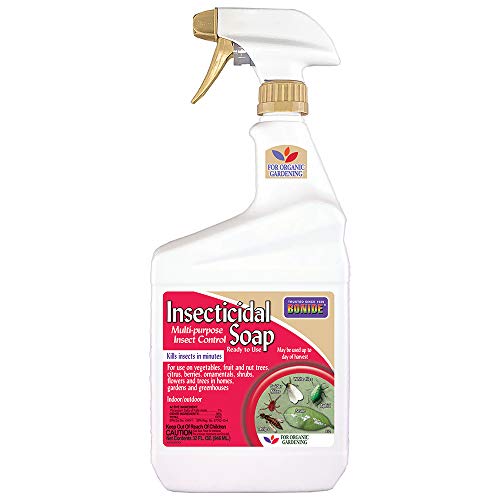
Captain Jack's Insecticidal Super Soap controls species of adelgid, ant, aphid, borer, caterpillar, spider mite, cricket, chinch bug, weevil, fly, thrip, and more

Control diseases and insects in your garden with Captain Jack’s Fruit Tree Spray Concentrate! Use on a variety of listed fruits, nuts and citrus plants.

PEST DEFENSE - Insecticidal Super Soap controls species of adelgid, ant, aphid, borer, caterpillar, spider mite, cricket, chinch bug, weevil, fly, thrip, & more.
Apple Harvest Timing and Storage Tips
Understanding the optimal timing for apple harvest and proper storage techniques is crucial for maximizing the quality and longevity of your apples in Nashville. This section provides essential insights into when to pick your apples for peak flavor and how to store them effectively to ensure they remain fresh throughout the season.
Knowing when to harvest is key to enjoying the best flavor from your apple trees. Apples typically ripen in late summer to early fall. Follow these tips for successful harvesting:
Check Color: Look for a change in color indicating ripeness.
Taste Test: Sample a few apples to assess sweetness.
Twist and Lift: Gently twist the apple to detach it from the tree.
For storage, keep apples in a cool, dark place with high humidity. Proper storage can extend their freshness for several months.
Healthy apple trees require attention and care, but the rewards of fresh fruit make it worthwhile.
