

Growing almond trees in New York City is possible with the right techniques and care. By selecting cold-hardy varieties and implementing proper planting and maintenance practices, you can achieve a successful backyard harvest.
Choosing Cold-Hardy Almond Varieties
Selecting the right almond varieties is crucial for successful cultivation in New York City’s unique climate. Cold-hardy options can thrive despite the region’s harsh winters, ensuring healthy growth and fruitful harvests. Understanding which varieties are best suited to withstand these conditions will set the foundation for a thriving backyard almond orchard.
Choosing the correct almond tree variety is crucial for success in New York City’s climate. Look for cold-hardy options that can withstand the region’s winter temperatures. Nonpareil and Carmel are two varieties known for their adaptability and yield.
Top Almond Varieties for Urban Gardens
When cultivating almond trees in New York City, selecting the right variety is crucial for success. Urban gardens present unique challenges, so understanding which almond types thrive in a city environment can make all the difference. Here are the top almond varieties that are well-suited for urban gardening, ensuring a fruitful harvest in your backyard.
| Variety | Hardiness Zone | Yield (lbs/tree) | Bloom Time |
|---|---|---|---|
| Nonpareil | 5-8 | 50-70 | Early Spring |
| Carmel | 5-8 | 40-60 | Mid Spring |
| Tuono | 5-8 | 30-50 | Late Spring |
Select a variety based on your space and desired yield. Nonpareil is popular for its quality, while Carmel is known for its disease resistance.
Optimal Site Selection for Almond Trees
Choosing the right location is crucial for successfully growing almond trees in New York City. Factors such as sunlight exposure, soil quality, and protection from harsh winds can significantly impact tree health and productivity. This section will explore the best practices for selecting an optimal site to ensure a thriving almond garden in an urban environment.
Proper site preparation ensures healthy growth for almond trees. Choose a location that receives full sun for at least six hours daily. The soil should be well-draining to prevent root rot.
Recommended Products

Accurate Soil pH Testing: Dewildetradingco Soil pH Test Strips offer measurements of soil pH levels (pH 3.5-9). As an essential tool for every gardener and grower, these test strips help determine the optimal pH for various plants, such as outdoor plants, indoor plants, gardens, grass lawns, fruit trees, flowers, vegetables, and forest shrubs.

How to Accurately Test Garden's Soil pH? Many growers do not able to use the correct tools and methods to obtain accurate soil ph values; NewTest soil ph test kit includes upgraded soil ph test strips, measuring cylinders, and instructions for professional testing methods; it allows even beginners to easily and accurately obtain soil ph values

PROFESSIONAL-GRADE ACCURACY: Engineered specifically for soil pH testing, delivering results quickly (in about 60 seconds). With a 3rd Generation, 3-pad ph tester strips design, our soil ph test kit ensures consistent, repeatable results for all your lawn, landscape and garden needs.
Optimal Soil pH for Almond Trees
Understanding the optimal soil pH is crucial for successfully growing almond trees in New York City. The right pH level not only influences nutrient availability but also affects the overall health and productivity of the trees. This section delves into the ideal pH range for almond cultivation and how to achieve it in an urban environment.
pH Level: Aim for a pH between 6.0 and 7.5.
Drainage: Ensure good drainage by mixing in sand or perlite.
Nutrients: Conduct a soil test to check nutrient levels and amend as necessary.
Prepare the soil by tilling and adding organic matter. This creates a fertile environment for your almond trees.
Optimal Timing for Almond Tree Planting
Timing is crucial for successfully growing almond trees in New York City, where the climate can be unpredictable. Understanding the best periods for planting can significantly enhance your chances of a fruitful harvest. This section delves into the optimal timing for planting almond trees to ensure they thrive in an urban environment.
The planting process significantly impacts the growth of almond trees. Timing is essential; plant in early spring after the last frost.
Almond Tree Planting Techniques for Urban Gardens
Planting almond trees in urban gardens, particularly in a bustling environment like New York City, requires specific techniques to ensure success. This section explores effective methods tailored to the unique challenges of city gardening, from soil preparation to optimal planting times, helping urban gardeners cultivate thriving almond trees in limited spaces.
Dig a Hole: Create a hole twice the width of the root ball and as deep as the root system.
Position the Tree: Place the tree in the center, ensuring the graft union is above soil level.
Backfill: Fill the hole with soil, gently packing it around the roots.
Water Thoroughly: After planting, water the tree deeply to settle the soil.
Monitor the tree for signs of stress in the weeks following planting. Adjust watering as needed.
Almond Tree Care for Urban Growth
Caring for almond trees in an urban environment like New York City requires specific strategies to ensure their health and productivity. This section will explore essential practices for nurturing these trees, addressing challenges unique to city living while maximizing their growth potential in your backyard. Understanding these care techniques is crucial for successful almond cultivation in a bustling metropolis.
Regular maintenance is key to healthy almond trees. Focus on watering, fertilizing, and pruning to encourage robust growth and fruit production.
Recommended Products
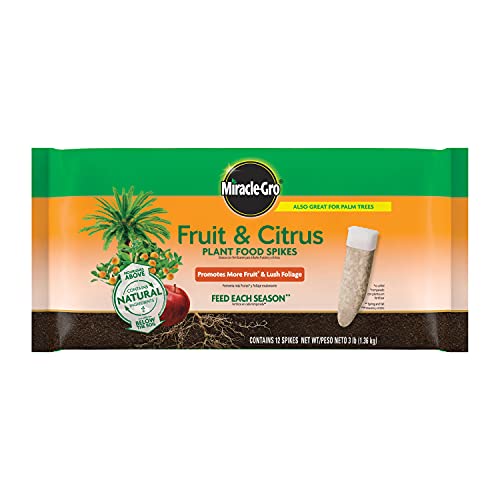
FORMULATED FOR CITRUS AND FRUIT TREES: Use these citrus fertilizer spikes on apple, orange, lemon, lime, and avocado trees; this formula is also great for feeding palm trees

Made for Palm Trees – Specially formulated palm fertilizer designed for a wide range of palm varieties including majesty palms.

Package contains 9 tree and shrub fertilizer spikes and are produced to avoid wasteful runoff, mess, hazards and smells
Almond Tree Care: Watering and Fertilizing Guide
Caring for almond trees in New York City requires a tailored approach, especially when it comes to watering and fertilizing. The unique urban environment presents specific challenges that can impact growth and yield. This guide offers essential tips to ensure your almond trees thrive amidst the bustling city landscape.
| Season | Watering Frequency | Fertilizer Type |
|---|---|---|
| Spring | Weekly | Balanced Fertilizer |
| Summer | Bi-weekly | High Potassium Fertilizer |
| Fall | Monthly | Low Nitrogen Fertilizer |
Water deeply to encourage deep root growth. Fertilize according to the seasonal needs of the tree.
Almond Tree Pruning Strategies for Urban Gardens
Pruning almond trees in urban gardens like those in New York City requires careful consideration of space and growth patterns. Effective pruning not only promotes healthy growth but also enhances fruit production, making it essential for city gardeners. This section explores practical strategies tailored for the unique challenges of growing almond trees in a bustling urban environment.
Pruning almond trees helps shape their growth and improves air circulation. This is vital for preventing diseases and enhancing fruit production.
Pruning Techniques for Urban Almond Trees
Pruning is essential for the health and productivity of almond trees, especially in the unique environment of New York City. Proper techniques not only promote robust growth but also help manage the limited space in urban backyards. Understanding the best practices for pruning can lead to a fruitful harvest and a thriving tree in the heart of the city.
Remove Dead Wood: Cut back any dead or diseased branches.
Thin Out Crowded Areas: Open up the canopy to allow light and air to penetrate.
Shape the Tree: Aim for a vase-like structure to optimize sunlight exposure.
Prune during late winter or early spring before new growth begins. Regular pruning promotes a healthier tree.
Pest Management for Almond Tree Health
Maintaining the health of almond trees in New York City requires a proactive approach to pest management. Urban environments can present unique challenges, as various pests may threaten the vitality of these trees. Understanding effective strategies to combat these pests is essential for ensuring a successful almond harvest in your backyard.
Pest and disease management is essential for almond tree health. Common issues include aphids and fungal infections.
Recommended Products

3-in-1 FORMULA: Aphid spray for outdoor plants for use on roses, flowers, shrubs and trees to control listed insects, disease and mites

3-IN-1 PLANT CARE: 3-In-1 Insect, Disease & Plant Mite Control provides insect control, disease control, and plant mite control all in one; Rainproof protection starts in 4 hours and lasts up to 14 days
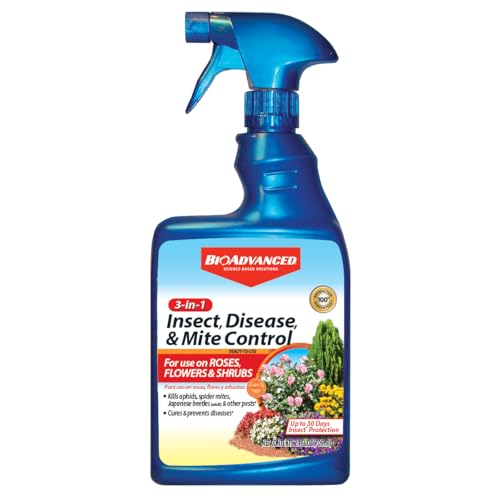
INSECT KILLER: Army worm killer. Also kills insects such as Aphids, Spider Mites, Japanese Beetles, Caterpillars, and other listed insects
Pest and Disease Management Strategies
Managing pests and diseases is crucial for the successful cultivation of almond trees in New York City. Urban environments present unique challenges, from limited space to increased pest populations. Understanding effective strategies will help ensure healthy growth and a bountiful harvest in your backyard.
Regular Inspections: Check for signs of pests or disease.
Natural Predators: Introduce ladybugs to control aphids.
Fungicides: Apply fungicides during wet seasons to prevent fungal growth.
Stay vigilant and act quickly to address any infestations or infections.
Optimal Timing for Almond Harvesting
Understanding the optimal timing for harvesting almond trees is crucial for ensuring a successful yield in New York City’s unique climate. This section explores the best practices and seasonal considerations that can help backyard growers determine when their almonds are ready for harvest, maximizing both quality and quantity.
Harvesting almonds requires timing and technique. Wait until the hulls split to ensure the nuts are ripe.
Almond Harvesting Techniques for Urban Growers
Harvesting almonds in an urban environment like New York City requires specific techniques to maximize yield and maintain quality. Urban growers face unique challenges, including limited space and varying climate conditions, making it essential to adopt effective methods tailored to these circumstances. Understanding the best practices for harvesting can lead to a successful almond crop even in a bustling metropolis.
Check for Ripeness: Look for split hulls and a hard shell.
Shake the Tree: Use a mechanical shaker or gently shake branches to drop nuts.
Collect Nuts: Gather fallen almonds from the ground.
Dry the harvested almonds in a shaded area to prevent mold. Store in a cool, dry place for longevity.
Successful Almond Cultivation Techniques in NYC
Growing almond trees in New York City presents unique challenges and opportunities for urban gardeners. Understanding the specific techniques that promote successful cultivation in this environment is crucial for maximizing yield and ensuring healthy growth. This section delves into effective methods tailored to the city’s climate and urban landscape, enabling backyard success with almond trees.
Growing almond trees in New York City is achievable with careful planning and execution. Selecting the right variety, preparing the site, and maintaining proper care will lead to a fruitful harvest.
