

Growing almond trees in Kansas requires careful management of heat and wind to ensure healthy growth and fruit production. Implementing effective strategies for temperature regulation and wind protection will significantly enhance your chances of a successful harvest.
Kansas Climate Impact on Almond Cultivation
Kansas presents unique challenges for almond cultivation due to its distinct climate characteristics. Understanding how temperature fluctuations, seasonal changes, and wind patterns impact almond growth is crucial for successful farming in the region. This section explores the specific climatic factors that influence almond tree health and productivity in Kansas.
Kansas experiences a unique climate characterized by hot summers and cold winters. Almond trees thrive in regions with warm temperatures but can struggle with extreme heat and wind. Understanding the climate specifics is crucial for successful cultivation.
The average summer temperature can exceed 90°F, making it essential to provide adequate shade and moisture. Additionally, Kansas is prone to strong winds, which can damage young trees and hinder pollination. Proper planning is necessary to mitigate these challenges.
Recommended Products

Extra Large Coverage: 15ft x 15ft bird netting offers full protection for large fruit trees and plants.
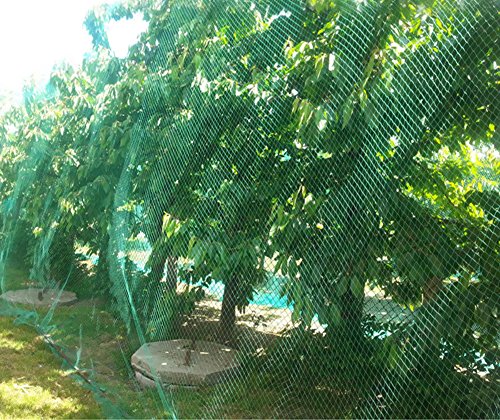
Excellent Material & Quality: Our bird netting is made of strong and durable PE with high stretch, light-weight but not tear easily; It is anti-UV and tough enough to withstand the effects of the sun and bad weather conditions, so you can use the garden netting repeatedly until the end of the season; The size of the poultry netting mesh refers to the measured length straightened from the far left to the far right
Best Almond Varieties for Kansas Climate
When selecting almond varieties for Kansas, it’s essential to consider the unique climate challenges, including heat and wind. Certain almond types are better suited to thrive in these conditions, offering resilience and improved yields. Understanding which varieties perform best can significantly enhance the success of almond cultivation in this region.
Choosing the right almond variety is vital for successful growth in Kansas. Some varieties are more tolerant of heat and wind than others. Here are a few recommended options:
| Almond Variety | Heat Tolerance | Wind Resistance | Harvest Time |
|---|---|---|---|
| Nonpareil | Moderate | Low | Late July |
| Carmel | High | Moderate | Early August |
| Tuono | High | High | Mid August |
Selecting a variety suited to Kansas conditions will enhance resilience and yield.
Effective Heat Management for Almond Trees
Managing heat effectively is crucial for the successful growth of almond trees in Kansas, where temperature extremes can impact yield and tree health. Understanding the specific strategies to mitigate heat stress will help growers maintain optimal conditions for their trees, ensuring robust production and resilience against the state’s challenging climate.
Heat management is crucial for almond trees during the hot summer months. Here are effective techniques to maintain optimal temperatures:
Mulching: Apply organic mulch around the base of the trees to retain soil moisture and regulate temperature.
Irrigation: Implement a drip irrigation system to provide consistent moisture without over-saturating the soil.
Shade Structures: Use shade cloth or strategically plant taller crops nearby to shield young trees from direct sunlight.
These methods will help mitigate the effects of extreme heat.
Wind Protection Strategies for Almond Trees
Wind can pose significant challenges for almond trees in Kansas, affecting their growth and yield. Implementing effective wind protection strategies is essential to safeguard these delicate plants from damage. This section explores various methods to mitigate wind exposure and ensure healthier, more productive almond orchards.
Wind can be detrimental to almond trees, especially during the flowering and fruit-setting stages. Implementing protective measures is essential. Consider these strategies:
Windbreaks: Plant rows of taller trees or shrubs to act as natural wind barriers.
Staking Young Trees: Use stakes to support young trees until they establish a strong root system.
Pruning: Regularly prune trees to maintain a balanced shape, reducing wind resistance.
These actions will help safeguard your almond trees from wind-related stress.
Soil Health Monitoring for Almond Trees
Maintaining optimal soil health is crucial for the successful growth of almond trees in Kansas, where environmental conditions can be challenging. Regular monitoring of soil quality helps ensure that nutrient levels, pH balance, and moisture content are conducive to healthy tree development. Understanding these factors is essential for maximizing yield and promoting robust almond production in the region.
Soil health is a critical factor in the successful growth of almond trees. Regular monitoring ensures that your trees receive the necessary nutrients. Key aspects to consider include:
Soil pH: Almond trees prefer a pH range of 6.0 to 7.5. Test your soil regularly and amend as needed.
Nutrient Levels: Conduct soil tests to check for nitrogen, phosphorus, and potassium levels. Use organic fertilizers to enhance soil fertility.
Drainage: Ensure proper drainage to prevent root rot. Raised beds can help improve drainage in heavy soils.
Maintaining optimal soil conditions will support healthy tree development.
Growing Season Care for Almond Trees
Caring for almond trees during the growing season in Kansas requires careful attention to heat and wind management. The unique climate conditions can impact tree health and nut production, making it essential for growers to implement effective strategies. Understanding these seasonal needs is crucial for ensuring a successful harvest.
Regular care and maintenance practices are essential throughout the growing season. Here are key tasks to implement:
Fertilization: Apply balanced fertilizers in early spring to promote growth.
Pest Management: Monitor for common pests such as aphids and spider mites. Use organic pesticides as necessary.
Harvesting: Harvest almonds when the hulls split open. This typically occurs in late summer to early fall.
Following these practices will enhance the health and productivity of your almond trees.
Almond Tree Care Essentials for Kansas
Growing almond trees in Kansas presents unique challenges due to the region’s heat and wind conditions. Understanding the essential care requirements is crucial for successful cultivation. This section delves into the specific practices that will help almond trees thrive in Kansas’ climate, ensuring healthy growth and optimal yields.
| Care Aspect | Recommended Action | Frequency |
|---|---|---|
| Fertilization | Apply balanced organic fertilizer | Early Spring |
| Irrigation | Drip irrigation system | Weekly |
| Pest Monitoring | Inspect for pests | Bi-weekly |
| Harvesting | Check for hull splitting | Late Summer |
Implementing these care strategies will ensure your almond trees thrive in Kansas conditions.
