
Close Menu
    Fruit Tree Hub
    • Home
    • Apple Trees
    • Lemon Trees
    • Mango Trees
    • Orange Trees
    • More Trees
      • Best Fruit Trees
      • Apricot Trees
      • Cherry Trees
      • Fig Trees
      • Lime Trees
      • Mulberry Trees
      • Peach Trees
      • Pear Trees
      • Plum Trees
      • Pomegranate Trees
    • Tips and Advice
      • Tools
    • About Us
      • Contact
      • Privacy Policy
    Fruit Tree Hub
    Home»Fruit Trees»Almond Trees»Why Are Almond Trees Important for Bee Populations
    Almond Trees

    Why Are Almond Trees Important for Bee Populations

    Lucy SmithBy Lucy SmithJanuary 22, 20245 Mins Read
    Share Facebook Twitter Pinterest WhatsApp Email
    almond trees and bee survival
    Share
    Facebook Twitter LinkedIn Pinterest Telegram Email

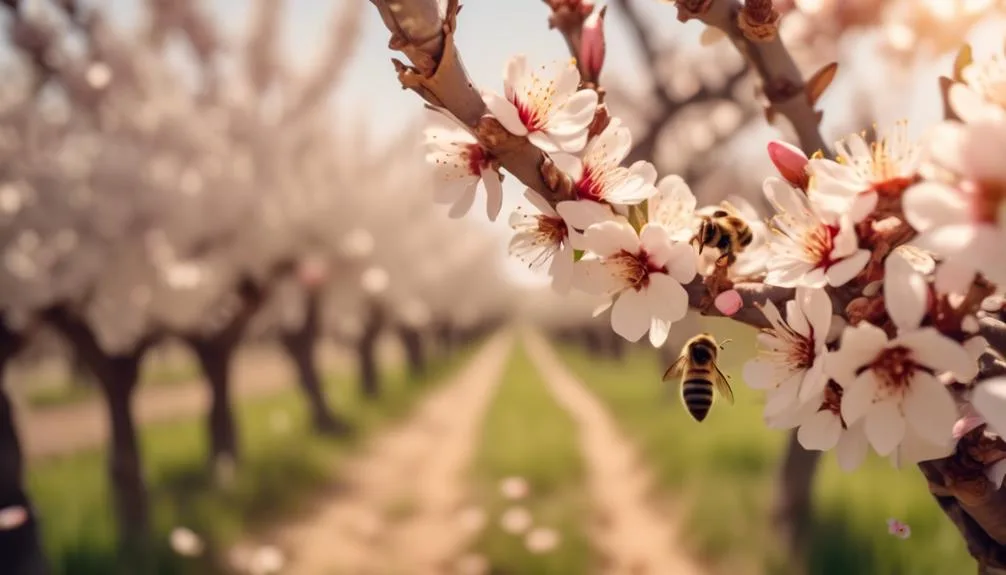
    Almond trees and bees are more connected than you might think. Bees rely on almond orchards for their health, and the decline of almond trees can have a big impact on bee populations.

    Contents show
    1 Key Takeaways
    2 Almond Trees and Bee Pollination
    3 The Role of Almond Orchards in Bee Health
    4 Almond Blossoms and Bee Foraging
    5 Impact of Almond Tree Decline on Bee Populations
    6 Almond Tree Conservation for Bees
    7 Conclusion

    The relationship between these two natural wonders is crucial to understand. But why are almond trees so important for bees? Let's find out.

    Key Takeaways

    • Almond trees rely on bee pollination for successful reproduction and yield.
    • Almond orchards provide a rich and diverse environment that supports bee health.
    • Almond blossoms are rich in nectar, providing critical nutrition for bees and facilitating pollination.
    • The decline of almond trees can have negative consequences for bee populations and the ecosystem.

    Almond Trees and Bee Pollination

    Almond trees depend heavily on bee pollination for their successful reproduction and yield. The sustainability of almond trees relies on the presence of healthy bee populations.

    Bees play a crucial role in pollinating almond blossoms, ensuring the development of almonds. To preserve bee habitat and support almond tree sustainability, it's essential to maintain diverse foraging areas and limit the use of harmful pesticides. Almond orchards can contribute to bee habitat preservation by incorporating flowering cover crops and minimizing soil disturbance.

    The Role of Almond Orchards in Bee Health

    Nestled among the blossoming almond trees, the vibrant orchards provide a rich and diverse environment that plays a crucial role in supporting the health and vitality of bee populations. In almond orchards, bee nutrition is a top priority for orchard management.

    MUST READ
    Can Almond Trees Be Grown Indoors

    The nectar and pollen from almond blossoms offer essential nutrients for bees, aiding in their overall health and immune function. Proper orchard management practices, such as minimizing pesticide use during bloom, are crucial for maintaining a safe environment for bees.

    Additionally, the vast acreage of almond orchards provides ample foraging opportunities for bees, contributing to their overall nutrition and well-being. By understanding the significance of almond orchards in bee health, it becomes evident that these orchards aren't only vital for almond production but also for sustaining healthy bee populations essential for ecosystem balance.

    Recommended Products

    Bonide Captain Jack's Citrus, Fruit & Nut Orchard Spray, 32 oz Concentrate, Multi-Purpose Fungicide, Insecticide and Miticide
    Bonide Captain Jack's Citrus, Fruit & Nut Orchard Spray, 32 oz Concentrate, Multi-Purpose Fungicide, Insecticide and Miticide

    INSECT KILLER - This pest control is great for use on beetles, fruit flies, caterpillars, mealybugs, spider mites, thrips, scale, leafhoppers, and other pests. Our pesticide delivers fast results.

    VIEW LATEST PRICE

    As an affiliate, we earn on qualifying purchases.

    Bonide Captain Jack's Citrus, Fruit & Nut Orchard Spray, 32 oz
    Bonide Captain Jack's Citrus, Fruit & Nut Orchard Spray, 32 oz

    INSECT KILLER - This pest control is great for use on beetles, fruit flies, caterpillars, mealybugs, spider mites, thrips, scale, leafhoppers, and other pests. Our pesticide delivers fast results.

    VIEW LATEST PRICE

    As an affiliate, we earn on qualifying purchases.

    Notice State Registered Bees Do Not Spray Any Chemical Including Pesticides
    Notice State Registered Bees Do Not Spray Any Chemical Including Pesticides

    Premium Aluminum Quality – Crafted from high-grade, rust-free aluminum to deliver a strong, professional-looking sign that resists wear, maintains its shape, and provides long-lasting performance you can rely on.

    VIEW LATEST PRICE

    As an affiliate, we earn on qualifying purchases.

    MUST READ
    Where to Plant Almond Trees for Best Nut Production

    Almond Blossoms and Bee Foraging

    Among the blossoming trees, the almond orchards create a vibrant landscape that beckons bees to forage for the essential nectar and pollen they need for sustenance and vitality.

    Almond blossoms are rich in nectar, providing a critical source of nutrition for bees. The nectar is loaded with natural sugars, amino acids, and trace elements that are vital for bee health.

    As bees collect nectar from almond blossoms, they inadvertently transfer pollen from one flower to another, facilitating the crucial process of pollination. This mutualistic relationship between almond trees and bees is essential for both the trees' reproductive success and the bees' survival.

    The almond nectar not only sustains bee colonies but also contributes to the pollination of almond trees, ensuring the production of almonds, making it a win-win situation for both bees and almond orchards.

    Recommended Products

    Pink Flowering Almond Shrub - 6-12" Tall Live Plant - Quart Pot
    Pink Flowering Almond Shrub - 6-12" Tall Live Plant - Quart Pot

    For sale is one flowering almond shrub that is approximately 6-12" tall and shipped in a quart pot
    VIEW LATEST PRICE

    As an affiliate, we earn on qualifying purchases.

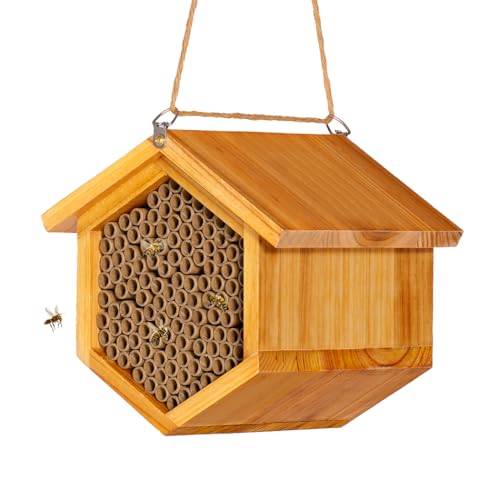
    Mason Bee House Wax Coated Bee Hotel, Pollinator House,Natural Handmade Wooden Mason Bee Hotel for Pollinating Bees Garden Supplies
    Mason Bee House Wax Coated Bee Hotel, Pollinator House,Natural Handmade Wooden Mason Bee Hotel for Pollinating Bees Garden Supplies

    Heavy Wax Coated: The mason bee house is full body coated with wax, helping extend its service life for outdoor use

    VIEW LATEST PRICE

    As an affiliate, we earn on qualifying purchases.

    Impact of Almond Tree Decline on Bee Populations

    With the decline of almond trees, a concerning impact on bee populations has become increasingly evident, highlighting the interconnectedness of these two vital components of the ecosystem.

    MUST READ
    Can Almond Trees Grow in Cold Climates

    The almond tree decline has led to:

    1. Loss of Bee Habitat: Almond trees provide an essential source of food and habitat for bees, and their decline disrupts this crucial aspect of bee life cycles.
    2. Reduction in Bee Diversity: The removal of almond trees can lead to a decrease in bee diversity, as these trees support a wide variety of bees, including both native and honey bees.
    3. Negative Impact on Bee Foraging: Almond tree decline restricts the foraging opportunities for bees, affecting their ability to gather nectar and pollen, which is detrimental to their overall health and population.

    The decline of almond trees not only affects the almond industry but also has far-reaching consequences for the intricate balance of bee populations and the ecosystem.

    Almond Tree Conservation for Bees

    To support and sustain bee populations, the conservation of almond trees is of utmost importance. Almond tree partnerships and bee habitat restoration efforts play a crucial role in ensuring the survival of bee populations. Through collaborative initiatives, almond farmers and beekeepers can work together to create and maintain healthy bee habitats within almond orchards. This not only benefits the bees but also contributes to the overall health and sustainability of almond tree populations. By planting bee-friendly flora, providing nesting sites, and minimizing pesticide usage, almond tree partnerships actively support the restoration of bee habitats. This collaborative approach fosters a mutually beneficial environment where almond trees and bee populations can thrive together.

    Almond Tree PartnershipsBee Habitat Restoration
    Collaborative efforts between almond farmers and beekeepersPlanting bee-friendly flora
    Creating healthy bee habitats within almond orchardsProviding nesting sites
    Supporting the sustainability of almond tree populationsMinimizing pesticide usage
    MUST READ
    How to Identify Different Almond Tree Varieties

    Conclusion

    In preserving almond orchards, we not only support bee populations but also safeguard our own food supply. The interconnectedness of almond trees and bees reminds us of the delicate balance in nature.

    How can we continue to protect and nurture these essential partnerships for the benefit of our environment and future generations?

    Share. Facebook Twitter Pinterest LinkedIn Tumblr Email
    lucy smith
    Lucy Smith
    • Website

    Lucy Smith is a highly experienced horticulturist with a passion for fruit tree cultivation. She holds a degree in Horticulture from the University of California, Davis, and has worked in various roles in the industry. With over 10 years of experience, Lucy is dedicated to using eco-friendly methods for sustainable gardening practices.

    Related Posts

    Why Do Almond Trees Produce Bitter Almonds

    January 28, 2024

    Can Almond Trees Adapt to Climate Change

    January 28, 2024

    Creating a Wildlife Habitat With Almond Trees

    January 28, 2024

    Where Are Almond Trees Considered Invasive

    January 28, 2024

    Is Almond Tree Pollen Allergenic

    January 27, 2024

    Can Almond Trees Be Used in Traditional Medicine

    January 27, 2024
    Leave A Reply Cancel Reply

    Affiliate Disclosure

    As an Amazon Associate I earn from qualifying purchases.

    Recommended Reading

    How to Prepare Persimmon Trees for Winter

    Do You Need 2 Orange Trees to Produce Fruit for a Bountiful Harvest and Better Quality?

    When Do Mandarin Trees Produce Fruit: A Complete Guide to Growing and Harvesting

    Best Fruit Trees for Vermont: Cold-Hardy Secrets for Beginners

    Fig Trees in Hialeah, FL: Tropical Variety Selection Guide

    What Fruit Trees Grow at High Altitude: Tips for Thriving in Challenging Conditions

    When to Plant Fruit Trees in NC: Best Times and Tips for a Thriving Orchard

    How to Prune Your Fruit Trees for Healthier Growth and Bountiful Harvests

    When Do Paw Paw Trees Produce Fruit: Essential Tips for Successful Harvesting

    How Often Do You Fertilize Fruit Trees for Maximum Growth and Bountiful Harvests

    Fruit Tree Hub

    Fruit Tree Hub is a website dedicated to providing you everything you need to grow fruit trees successfully at in your own yard.

    Contact us at: [email protected]

    - AFFILIATE DISCLOSURE: As an Amazon Associate I earn from qualifying purchases.

    Latest Posts

    18 Halloween Crochet Blanket Ideas Featuring Pumpkins, Ghosts, and Seasonal Motifs

    20 Festive Fall Crochet Blanket Ideas in Rust, Mustard, and Earthy Tones

    25 Chunky Crochet Blanket Ideas Using Bulky Yarn for Thick Texture

    24 Filet Crochet Blanket Ideas Featuring Openwork Motifs

    19 Simple One-Color Crochet Blanket Ideas for Minimalist Designs

    22 Dreamy Crochet Temperature Blanket Ideas for Year-Long Color Tracking

    18 Lightweight Crochet Picnic Blanket Ideas for Outdoor Use

    20 Practical Crochet Pet Blanket Ideas for Dogs and Cats

    Categories
    • Almond Trees
    • Apple Trees
    • Apricot Trees
    • Best Fruit Trees
    • Blackberry
    • Cantaloupe
    • Cherry Trees
    • Christmas Crochet Ideas
    • Crochet Bag Ideas
    • Crochet Blanket Ideas
    • Crochet Ideas
    • Crochet Ideas for Beginners
    • Cucamelon
    • Easy Crochet Ideas
    • Easy Knitting Projects
    • Fall Crochet Ideas
    • Fig Trees
    • Grapefruit Trees
    • Grapes
    • Guava Trees
    • Halloween Crochet Ideas
    • Honeydew
    • Jujube Trees
    • Kiwi
    • Knitting For Beginners
    • Knitting Ideas
    • Knitting Inspiration
    • Lemon Trees
    • Lime Trees
    • Loquat Trees
    • Mango Trees
    • Mulberry Trees
    • Nectarine Trees
    • Olive Trees
    • Orange Trees
    • Papaya Trees
    • Peach Trees
    • Pear Trees
    • Persimmon Trees
    • Planting
    • Plum Trees
    • Pomegranate Trees
    • Quince Trees
    • Raspberry
    • Reviews
    • Small Crochet Ideas
    • Star Fruit Trees
    • Summer Crochet Ideas
    • Tamarind Trees
    • Tangerine Trees
    • Tips and Advice
    • Tools
    • Uncategorized
    • Walnut Trees
    • Winter Crochet Ideas
    © 2026 Fruit Tree Hub
    • Home
    • About Us
    • Contact
    • Privacy Policy
    • Terms and Conditions
    • Disclaimer
    • Editorial Policy
    • Affiliate Disclosure

    Type above and press Enter to search. Press Esc to cancel.