

Ever wondered what happens to nectarine trees when winter sets in? Picture this: the vibrant green leaves that once adorned the branches start to change, leaving you curious about their fate. Do nectarine trees shed their leaves like many other plants during the colder months? Understanding this natural process can help you care for your nectarine tree better throughout the year.
In this article, we’ll explore the intriguing behavior of nectarine trees during winter. By uncovering whether or not they lose their leaves, you’ll gain valuable insights into the seasonal cycle of these fruit-bearing beauties. Stay tuned to discover the secrets behind nectarine trees’ leafy transformations and how you can support their growth and health year-round.
Key Takeaways
- Nectarine trees are deciduous and shed their leaves in the fall during the dormant phase to conserve energy.
- Shedding leaves helps nectarine trees redirect energy towards root development and overall health.
- Winter is an excellent time to prune nectarine trees, remove dead branches, water sparingly, and shield from extreme weather conditions.
- Understanding seasonal changes in nectarine trees allows for proper care throughout the year.
- Use mulch to insulate roots, prune in winter, protect from frost, monitor pests, and maintain proper water drainage for winter care.
Understanding Nectarine Trees
When it comes to understanding nectarine trees, it’s essential to recognize their unique characteristics and behaviors throughout the year, especially during winter. Nectarine trees are deciduous, meaning they typically shed their leaves in the fall, unlike evergreen trees that retain their foliage year-round.
During winter, nectarine trees go through a dormant period where they lose their leaves. This shedding of leaves is a natural process that allows the tree to conserve energy and focus on internal growth and development while external conditions are less favorable for photosynthesis.
Key Points to Remember:
- Deciduous Nature: Nectarine trees are deciduous, shedding their leaves in the fall as part of their natural cycle.
- Dormant Phase: In winter, nectarine trees enter a dormant phase, losing their leaves to conserve energy.
- Energy Conservation: Shedding leaves helps nectarine trees redirect energy towards root development and overall health.
Understanding this behavior of nectarine trees is crucial for their care and maintenance. While seeing your tree without leaves in winter may initially seem concerning, it’s a normal part of its growth cycle. Proper pruning, watering, and protection from extreme weather conditions can help support your nectarine tree’s health and ensure a successful growing season when spring arrives.
- Pruning: Winter is an excellent time to prune nectarine trees, removing dead or damaged branches to promote new growth in spring.
- Watering: While nectarine trees are dormant, they still need adequate moisture. Water them sparingly to prevent dehydration.
- Protection: Shield your nectarine tree from harsh winter conditions, such as frost or strong winds, to avoid damage.
By understanding the behavior of nectarine trees, particularly their leaf-dropping process in winter, you can create a suitable environment for them to thrive year-round. Proper care and attention during the dormant season set the stage for a vibrant and healthy nectarine tree when the warmer months return.
Recommended Products
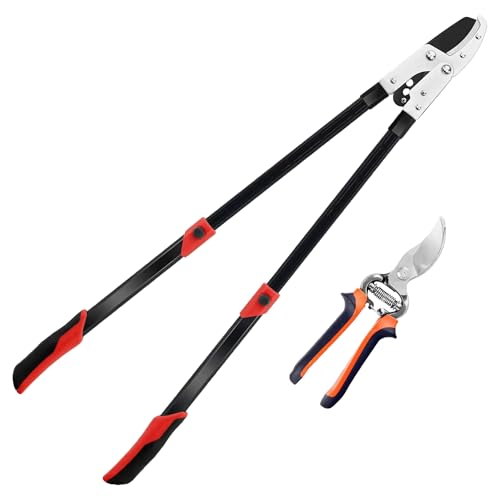
LONG LASTING SHARP: tree branch cutter alloy steel blade with teflon coated and low-friction coating that will long lasting sharp after tough job. Tree pruner is ideal for trimming green living or dry branches, chop through thick branches effortlessly
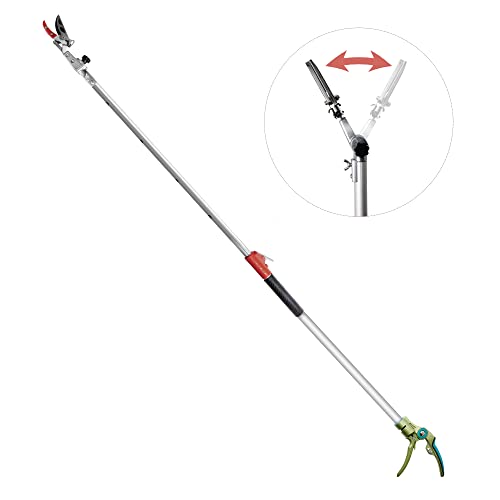
[Helpful Garden Tool] GARTOL brings to you a lightweight and extendable pruning tool to reach out to the least approachable arenas of your garden. You can conveniently get across other plants to remove the fastgrowing brambles and sting nettles without getting scratched or hurt. For gardening lovers, the telescopic pruner cutter head can can be rotated which resolves mobility issues and gives you the pleasure of trimming your garden without bending down or using a ladder to climb and cut them.

Adjustable and Durable Handle - Extendable Loppers: The lopping shears are adjustable from 16 inches to 24 inches, allowing you to handle tall branches easily. The iron arm is more sturdy and durable, and will not bend even when cutting large and thick branches.
Seasonal Changes in Nectarine Trees
Understanding the seasonal variations of nectarine trees is crucial for their proper care and maintenance throughout the year. Here’s a breakdown of how nectarine trees go through seasonal changes:
Winter:
In winter, nectarine trees typically lose their leaves. This natural process, known as dormancy, allows the tree to conserve energy and focus on internal growth. During this time, it’s essential to protect your nectarine tree from frost and extreme cold temperatures. Consider using frost cloths or tree wraps to shield the tree and keep it healthy.
Spring:
As winter transitions into spring, nectarine trees start to bloom with beautiful pink or white flowers. This marks the beginning of the growing season for the tree. Ensure that your nectarine tree receives adequate sunlight, water, and nutrients to support healthy growth and fruit production.
Summer:
In summer, nectarine trees bear fruit that ripens as the season progresses. Keep an eye on the tree for signs of pests or diseases, and address any issues promptly to maintain the tree’s health. Proper pruning and watering are essential during this stage to support fruit development and overall tree vigor.
Fall:
During the fall season, nectarine trees prepare for dormancy once again. As the weather cools down, the leaves of the tree may start changing colors before eventually falling off. This is a natural process, and you can assist the tree by cleaning up fallen leaves and applying a layer of mulch around the base to provide insulation during the winter months.
By understanding the seasonal changes in nectarine trees and aligning your care practices accordingly, you can promote the health and longevity of your tree. Remember to tailor your efforts to each season’s specific needs to ensure that your nectarine tree thrives year after year.
Winter Care for Nectarine Trees
Prepare your nectarine trees for the winter season to ensure their health and vitality. Here are essential tips to help you care for your nectarine trees during the winter months:
Mulching Your Nectarine Trees
Spread a layer of mulch around the base of your nectarine trees to help insulate the roots and retain moisture. This protective barrier shields the roots from extreme temperatures and minimizes water loss, promoting root health during the winter.
Pruning Nectarine Trees in Winter
Prune your nectarine trees during the dormant winter season to remove dead or diseased branches. Winter pruning enhances airflow within the tree canopy, reducing the risk of fungal diseases. Trim back any excessive growth to maintain a balanced tree structure.
Protecting Nectarine Trees from Frost
Shield your nectarine trees from frost damage by covering them with frost cloth or burlap on cold nights. This protective covering helps trap heat and prevents frost from harming the delicate buds and branches. Ensure proper ventilation to prevent humidity buildup.
Monitoring Nectarine Trees for Pests
Keep an eye out for common pests that may still be active during the winter. Inspect your nectarine trees regularly for signs of infestation, such as scales or aphids. Consider applying dormant oil sprays to help control overwintering pests.
Providing Adequate Water and Drainage
Water your nectarine trees deeply but infrequently during the winter to prevent waterlogging. Ensure proper drainage around the root zone to avoid water stagnation, which can lead to root rot. Adjust watering frequency based on the weather conditions in your area.
Winter Inspection of Nectarine Trees
Take the time to inspect your nectarine trees regularly during the winter months. Look for any signs of disease, damage, or stress. Address issues promptly to prevent them from escalating and impacting the tree’s health come spring.
By following these winter care practices, you can protect your nectarine trees from the challenges of the cold season and set the stage for a healthy and productive growing season ahead.
Conclusion
Taking care of your nectarine trees during the winter months is crucial for their overall well-being. By implementing proper winter preparation techniques such as mulching, pruning, frost protection, pest monitoring, and regular inspections, you can help your trees stay healthy and productive throughout the year. Remember, a little effort during the colder months can go a long way in ensuring that your nectarine trees thrive and bear delicious fruit when the warmer seasons roll around. So, don’t forget to give your nectarine trees the attention they deserve during winter – your future harvest will thank you for it!
Frequently Asked Questions
Why is winter preparation important for nectarine trees?
Winter prep is crucial to protect nectarine trees from cold temperatures, frost, and diseases, ensuring their health and longevity.
How does mulching benefit nectarine trees?
Mulching helps insulate the roots, retain moisture, and regulate soil temperature, promoting healthy growth and nutrient absorption for nectarine trees.
Why is winter pruning necessary for nectarine trees?
Winter pruning improves airflow, removes dead or diseased branches, and shapes the tree for optimal sun exposure, fostering a strong and productive tree structure.
How can I protect nectarine trees from frost during winter?
Covering nectarine trees with frost protection materials like burlap or blankets can shield them from extreme cold and prevent frost damage to buds and branches.
Why is pest monitoring important during winter for nectarine trees?
Monitoring pests in winter helps detect early infestations, preventing damage and ensuring effective pest control strategies for nectarine trees.
What are the proper watering techniques for nectarine trees in winter?
Watering nectarine trees deeply but infrequently in winter helps prevent waterlogging, root rot, and frost damage, supporting their health and vigor.
Why is conducting winter inspections crucial for nectarine trees?
Winter inspections allow early detection of issues like disease, pest infestations, and structural damage, enabling timely interventions to maintain nectarine tree health and productivity.
