

Apricot trees can grow in Wyoming, but success depends on selecting the right varieties and implementing specific growth strategies. High altitude conditions present unique challenges, including temperature fluctuations and soil quality, which must be addressed for optimal growth.
Best Apricot Varieties for Wyoming’s Climate
Selecting the right apricot tree variety is crucial for successful cultivation in Wyoming’s high altitudes. Some varieties are more resilient to cold temperatures and can withstand the state’s unique climate. Look for varieties that have proven adaptability to colder climates and shorter growing seasons.
High-Altitude Apricot Varieties for Wyoming
Growing apricot trees in Wyoming’s high-altitude climate presents unique challenges, but certain varieties are better suited for these conditions. Understanding which apricot types thrive in cooler temperatures and fluctuating weather will help ensure a successful harvest. This section explores the best high-altitude apricot varieties for Wyoming gardeners looking to cultivate these delicious fruits.
When choosing apricot trees, consider these varieties known for their hardiness:
| Variety Name | Cold Hardiness | Maturity Time | Flavor Profile |
|---|---|---|---|
| Tilton | -15°F | 3-4 years | Sweet and tangy |
| Katy | -20°F | 2-3 years | Very sweet |
| Moorpark | -10°F | 4-5 years | Rich flavor |
| Harcot | -15°F | 3-4 years | Juicy and sweet |
These varieties have shown resilience in Wyoming’s climate and can thrive with proper care.
Soil Preparation for Apricot Trees
Soil preparation is vital for the successful growth of apricot trees in Wyoming. The soil should be well-draining and rich in organic matter. Conduct a soil test to determine pH and nutrient levels, and amend the soil accordingly to ensure optimal growth conditions.
Soil Enhancements for Apricot Cultivation
Growing apricot trees in Wyoming’s high altitude requires careful attention to soil quality. The right soil enhancements can significantly improve the chances of successful cultivation, ensuring that these trees thrive despite the challenging conditions. Understanding how to amend the soil will help gardeners create an optimal environment for apricot production.
Consider the following amendments to enhance soil quality:
Compost: Improves organic matter and nutrient content.
Lime: Raises pH if soil is too acidic.
Gypsum: Improves soil structure and drainage.
Incorporating these amendments can lead to healthier apricot trees and better fruit production.
Water Management Strategies for Apricot Trees
Effective water management is crucial for the successful growth of apricot trees in Wyoming’s high-altitude environment. Given the unique challenges posed by the region’s climate, understanding how to optimize irrigation and conserve moisture can significantly enhance tree health and fruit production. This section explores practical strategies to ensure apricot trees thrive despite variable water availability.
Water management is essential for apricot trees, especially in high-altitude regions where evaporation rates can be higher. Young trees require consistent moisture, while established trees need deep watering to encourage root development.
Recommended Products
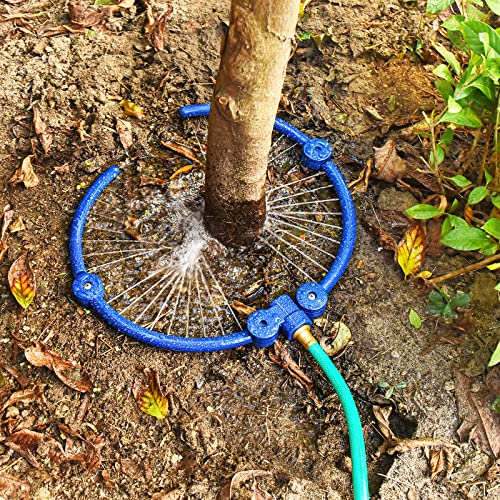
【Specially Designed for Trees and Shrubs】 The Watering Ring is a multi-purpose irrigation ring that attaches to a garden hose to efficiently water young trees shrubs vegetables or flower beds using drip or trickle irrigation.It directs water to the root perimeter of the plant to give them a good start during the first two growing seasons or through periods of drought.

NO MORE HARD INSTALLATION - SET UP IN MINUTES. Tired of struggling with stiff barbed fittings? This drip irrigation system features quick-connect fittings that let you push, lock, and secure tubing effortlessly. No tools, no leaks, just a smooth setup experience. Enjoy a frustration-free installation and get your garden watering system running in minutes.

🍀【Extra-Long 50FT 5/16” Mainline Tubing】 With 50 feet of premium 5/16” main tubing, you have more flexibility to build a central watering path across larger garden layouts. The enhanced flow capacity supports multiple emitters with consistent water pressure throughout your irrigation zones.
Optimal Watering Practices for Apricot Trees
Understanding optimal watering practices is crucial for cultivating healthy apricot trees in Wyoming’s unique high-altitude environment. The right balance of moisture can significantly impact growth and fruit production, especially in areas with variable weather conditions. This section will explore effective watering techniques tailored to ensure your apricot trees thrive despite the challenges of their surroundings.
Follow these guidelines for effective watering:
| Tree Age | Water Frequency | Amount per Watering |
|---|---|---|
| 1-2 years | Weekly | 5-10 gallons |
| 3-5 years | Bi-weekly | 10-15 gallons |
| 5+ years | Monthly | 15-20 gallons |
Adjust the schedule based on rainfall and temperature to prevent both overwatering and drought stress.
Temperature Protection Strategies for Apricot Trees
Apricot trees face unique challenges in Wyoming’s high-altitude climate, particularly concerning temperature fluctuations. Implementing effective temperature protection strategies is essential for ensuring their health and productivity. This section explores practical methods to safeguard apricot trees from extreme cold and promote successful growth in this challenging environment.
Wyoming’s high altitude results in significant temperature swings, which can harm apricot trees. Protecting them from frost and extreme heat is crucial for their survival and fruit production.
High-Altitude Frost Protection Techniques
Growing apricot trees in Wyoming’s high altitudes presents unique challenges, particularly with frost risk. Understanding effective frost protection techniques is crucial for ensuring the health and productivity of these trees. The following strategies will help safeguard your apricot trees from unexpected cold snaps and promote successful growth in this demanding environment.
Consider these methods to shield your apricot trees:
Frost Cloth: Drape over trees during cold nights.
Mulch: Apply around the base to retain soil warmth.
Windbreaks: Plant shrubs or trees to shield from cold winds.
Implementing these strategies can reduce frost damage and promote healthier growth.
Pest and Disease Monitoring Strategies
Maintaining the health of apricot trees in Wyoming’s high-altitude environment requires vigilant pest and disease monitoring. Understanding common threats and implementing effective strategies can significantly enhance tree vitality and fruit yield. This section explores practical approaches to safeguard your apricot trees from potential infestations and illnesses.
Pests and diseases can threaten apricot trees, especially in varying climates. Regular monitoring is essential to catch issues early and apply necessary treatments.
Recommended Products
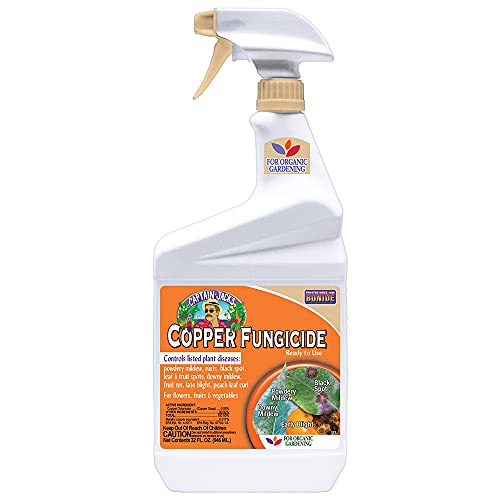
Control fungus and disease in your garden with Captain Jack’s ready-to-use Liquid Copper Fungicide!

Control diseases and insects in your garden with Captain Jack’s Fruit Tree Spray Concentrate! Use on a variety of listed fruits, nuts and citrus plants.

Control diseases and insects in your garden with Captain Jack’s Fruit Tree Spray Concentrate! Use on a variety of listed fruits, nuts and citrus plants.
Pest Management Strategies for Apricot Trees
Managing pests is crucial for the successful growth of apricot trees, especially in Wyoming’s unique high-altitude environment. Understanding the specific threats these trees face can help in developing effective strategies to protect them. This section explores various pest management techniques tailored to ensure the health and productivity of apricot trees in challenging conditions.
Stay vigilant for these pests and their control methods:
| Pest | Symptoms | Treatment |
|---|---|---|
| Aphids | Curling leaves | Insecticidal soap |
| Peach tree borer | Holes in bark | Pesticide application |
| Powdery mildew | White powdery spots | Fungicide spray |
Regular inspections and timely interventions can help maintain tree health and productivity.
Fertilization Strategies for Apricot Trees
Fertilizing apricot trees in Wyoming’s high-altitude climate requires careful consideration to ensure healthy growth and fruit production. The unique environmental conditions can affect nutrient availability, making it essential to adopt tailored fertilization strategies. This section explores effective methods to nourish apricot trees, promoting robust development in challenging terrains.
Proper fertilization supports the growth and fruiting of apricot trees. Timing and type of fertilizer are key factors in achieving the best results.
Apricot Tree Fertilization Timing in Wyoming
Understanding the optimal fertilization timing for apricot trees in Wyoming is crucial for successful growth in high-altitude conditions. The unique climate and soil characteristics of the region require careful planning to ensure that these trees receive the nutrients they need at the right moments throughout the growing season. This section explores the best practices for fertilizing apricot trees in Wyoming.
Follow this general fertilization schedule:
| Season | Fertilizer Type | Application Rate |
|---|---|---|
| Spring | Balanced fertilizer | 1 lb per tree |
| Summer | Nitrogen-rich fertilizer | 0.5 lb per tree |
| Fall | Potassium-rich fertilizer | 1 lb per tree |
Adjust the rates based on soil test results and tree age for optimal growth.
High Altitude Apricot Tree Care Tips
Growing apricot trees in Wyoming’s high altitudes presents unique challenges that require specific care techniques. Understanding the local climate and soil conditions is essential for successful cultivation. The following tips will help ensure that your apricot trees thrive despite the harsh conditions often found at higher elevations.
Growing apricot trees in Wyoming’s high altitude is achievable with the right variety selection, soil preparation, and care techniques. Monitor environmental conditions closely and adapt your practices as needed to ensure healthy trees and fruitful harvests.
