Close Menu
    Fruit Tree Hub
    • Home
    • Apple Trees
    • Lemon Trees
    • Mango Trees
    • Orange Trees
    • More Trees
      • Best Fruit Trees
      • Apricot Trees
      • Cherry Trees
      • Fig Trees
      • Lime Trees
      • Mulberry Trees
      • Peach Trees
      • Pear Trees
      • Plum Trees
      • Pomegranate Trees
    • Tips and Advice
      • Tools
    • About Us
      • Contact
      • Privacy Policy
    Fruit Tree Hub
    Home»Tips and Advice»Do You Need 2 Lime Trees to Produce Fruit: Benefits of Cross-Pollination for a Richer Harvest
    Tips and Advice

    Do You Need 2 Lime Trees to Produce Fruit: Benefits of Cross-Pollination for a Richer Harvest

    Martha JacksonBy Martha JacksonJanuary 3, 20257 Mins Read
    Share Facebook Twitter Pinterest WhatsApp Email
    Share
    Facebook Twitter LinkedIn Pinterest Telegram Email

    Have you ever wondered if you need two lime trees to enjoy those delicious fruits? You’re not alone. Many aspiring gardeners face this question when planning their citrus gardens. Imagine planting a single tree only to find out later that it won’t bear fruit without a companion.

    Contents show
    1 Key Takeaways
    2 Understanding Lime Tree Pollination
    2.1 Self-Pollination vs. Cross-Pollination
    2.2 The Role of Pollinators
    3 Factors Influencing Fruit Production
    3.1 Climate and Growing Conditions
    3.2 Lime Tree Varieties
    4 Benefits of Having Multiple Lime Trees
    4.1 Increased Fruit Yield
    4.2 Improved Cross-Pollination
    5 Practical Considerations for Gardeners
    5.1 Space and Maintenance
    5.2 Cost Analysis
    6 Conclusion
    7 Frequently Asked Questions
    7.1 Do lime trees need another tree for pollination?
    7.2 What are the best temperatures for growing lime trees?
    7.3 How much fruit can I expect from one lime tree?
    7.4 What should I consider when planting lime trees?
    7.5 Why are pollinators important for lime trees?
    7.6 How much do lime trees cost?

    This article will clear up the confusion and help you understand the pollination needs of lime trees. You’ll learn whether one tree is enough or if you should invest in a second one. By the end, you’ll feel confident in your gardening choices and ready to enjoy a bountiful harvest of fresh limes.

    Key Takeaways

    • Self-Pollination Capability: Lime trees can self-pollinate and produce fruit without a partner, but many benefit from cross-pollination to enhance yield and quality.
    • Benefits of Cross-Pollination: Planting multiple lime trees improves genetic diversity, which often results in healthier plants and larger fruit yields.
    • Pollinators Matter: Attracting pollinators like bees by planting complementary flowers boosts fruit production and overall tree health.
    • Climate Considerations: Lime trees thrive in warm, subtropical to tropical climates, requiring ideal temperatures and well-draining soil for optimal fruit production.
    • Increased Yields: Growing more than one lime tree can significantly increase overall fruit yield, with multiple trees producing more blooms and thus more fruit.
    • Space and Maintenance: Proper spacing, pruning, and regular maintenance are crucial for healthy lime trees and maximizing fruit production.
    MUST READ
    How Far Apart to Space Fruit Trees for Optimal Growth and Healthy Yields

    Understanding Lime Tree Pollination

    Pollination is crucial for lime trees to produce fruit. Each tree’s ability to self-pollinate or rely on cross-pollination influences fruit yield.

    Self-Pollination vs. Cross-Pollination

    Lime trees can self-pollinate, meaning one tree can produce fruit without a partner. Self-pollination occurs when pollen from the tree’s flowers fertilizes its ovules. However, many lime tree varieties benefit from cross-pollination for improved fruit production.

    Cross-pollination involves transferring pollen from one tree to another. This process generally enhances genetic diversity, which can lead to healthier plants and larger, more abundant fruit. If you’re choosing lime tree varieties, consider planting multiple trees to boost your overall harvest.

    The Role of Pollinators

    Pollinators play a vital role in lime tree fruit production. Bees and other insects transfer pollen between flowers, which can significantly improve fruit set. Lime flowers attract various pollinators due to their fragrant aroma and nutritious nectar.

    To attract pollinators, plant flowers nearby that bloom simultaneously. This approach ensures a steady food supply for bees, increasing the odds of effective pollination. Additionally, avoid using pesticides, as they can harm pollinators and reduce fruit yields.

    When planting lime trees, think about their pollination needs. A single tree may produce some fruit, but adding another enhances your chances of a successful and fruitful harvest.

    Factors Influencing Fruit Production

    Fruit production in lime trees depends on several key factors. Understanding these elements helps you maximize your harvest.

    Climate and Growing Conditions

    Climate plays a vital role in lime tree fruiting. Lime trees thrive in warm, subtropical to tropical climates. Ideal temperatures range from 70°F to 100°F. Protect your trees from frost, as temperatures below 30°F can damage them. Ensure well-draining soil and consistent moisture without waterlogging. Consider using mulch to retain soil moisture and regulate temperature.

    MUST READ
    How Long Before a Cherry Tree Bears Fruit: Essential Tips for Quick Harvesting

    Lime Tree Varieties

    Different lime tree varieties exhibit varying fruit production traits. Common varieties include:

    • Persian Lime: This type is self-pollinating, but planting a second tree boosts yields.
    • Key Lime: Key limes also self-pollinate. However, having two trees can enhance fruit quality.
    • Kaffir Lime: Primarily grown for leaves, kaffir lime trees produce fruit, but their yield is minimal compared to other varieties.

    Research your chosen variety to optimize your lime production efforts.

    Benefits of Having Multiple Lime Trees

    Planting multiple lime trees offers several advantages in fruit production. Here’s why you should consider it.

    Recommended Products

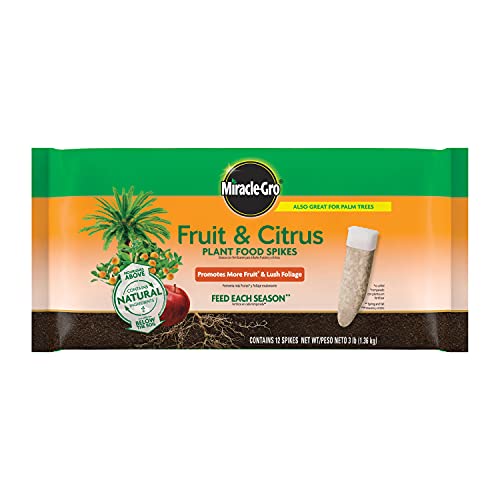
    Miracle-Gro Fruit & Citrus Plant Food Spikes, 12 Spikes, 3 lb.
    Miracle-Gro Fruit & Citrus Plant Food Spikes, 12 Spikes, 3 lb.

    FORMULATED FOR CITRUS AND FRUIT TREES: Use these citrus fertilizer spikes on apple, orange, lemon, lime, and avocado trees; this formula is also great for feeding palm trees

    VIEW LATEST PRICE

    As an affiliate, we earn on qualifying purchases.

    Key Lime Tree Live Plant 13-22" Tall, 1 Gallon Pot by Via Citrus
    Key Lime Tree Live Plant 13-22" Tall, 1 Gallon Pot by Via Citrus

    BEAUTIFUL BLOOMS AND REFRESHING AROMA: This key lime tree produces fragrant white blooms & citrus aroma throughout the year, adding freshness to indoor or patio spaces. Due to USDA regulations, we do not ship to freight forwarding locations, hotels, PO Boxes, Military (AFO/FPO), AZ, AL, CA, LA, HI, TX, Puerto Rico, Guam, U.S. Virgin Islands, American Samoa, and Northern Mariana Islands. Suited for mother's day gifts, plant gifts for women, and plant gifts for mom looking to grow citrus at home.

    VIEW LATEST PRICE

    As an affiliate, we earn on qualifying purchases.

    Lime Tree Fertilizer – Liquid Plant Food for More Fruit, 8 oz
    Lime Tree Fertilizer – Liquid Plant Food for More Fruit, 8 oz

    Made for Lime & Citrus Trees – Formulated to support healthy growth in lime and citrus trees.

    MUST READ
    What Fruit Trees Can Grow in CT: A Complete Guide to Thriving Varieties and Care Techniques
    VIEW LATEST PRICE

    As an affiliate, we earn on qualifying purchases.

    Increased Fruit Yield

    Growing more than one lime tree often results in a higher fruit yield. When you have several trees, they can produce more blooms. More blooms lead to more fruit. For example, a single lime tree might yield around 30 to 50 limes per season. Two trees may double that number, especially during peak flowering times. This increase is mainly due to better pollination rates, which lead to more successful fruit set.

    Improved Cross-Pollination

    Cross-pollination significantly boosts the fruit quality and quantity of lime trees. While some lime varieties can self-pollinate, many benefit from pollen transfer between different trees. This interaction enhances genetic diversity, improving resistance to diseases. Planting different varieties, like Persian and Key limes, next to each other encourages effective cross-pollination. This method results in fruits that are larger, juicier, and richer in flavor.

    By ensuring you have two or more lime trees, you’re not just increasing quantity; you’re also investing in the quality of your limes.

    Practical Considerations for Gardeners

    When deciding on planting lime trees, several practical factors come into play. Understanding these can lead to a more fruitful gardening experience.

    Recommended Products

    Kaffir Lime Tree - Pot of 2 Starter Plants. Citrus Hystrix. Makrut Lime. 3” - 5”
    Kaffir Lime Tree - Pot of 2 Starter Plants. Citrus Hystrix. Makrut Lime. 3” - 5”
    VIEW LATEST PRICE

    As an affiliate, we earn on qualifying purchases.

    Key Lime Tree - Pot of 2 Starter Plants. Citrus aurantifolia. 3” - 5
    Key Lime Tree - Pot of 2 Starter Plants. Citrus aurantifolia. 3” - 5
    VIEW LATEST PRICE

    As an affiliate, we earn on qualifying purchases.

    Yellow Meyer Lemon Live Plant, Citrus Tree, 1-2 Ft Tall
    Yellow Meyer Lemon Live Plant, Citrus Tree, 1-2 Ft Tall

    Meyer Lemon tree live plant growing in a gallon nursery pot. Well-established and carefully grown for strong root development and vigorous growth.

    MUST READ
    How to Keep Pests Away from Fruit Trees: Effective Strategies for Healthy Harvests
    VIEW LATEST PRICE

    As an affiliate, we earn on qualifying purchases.

    Space and Maintenance

    Space significantly affects your lime tree planting. Lime trees need well-draining soil and ample sunlight. Aim for at least 10 to 15 feet of space between trees to promote airflow and reduce disease risk. Prune your trees annually to maintain shape and encourage internal air circulation. Regular watering is essential, especially during dry spells. Use mulch to help retain soil moisture and suppress weeds.

    Cost Analysis

    Cost considerations play a crucial role in your gardening plans. Lime trees can range from $20 to $100 each, depending on the variety and size. If you opt for two trees to enhance pollination, budget accordingly. Factor in costs for soil amendments, fertilizer, and watering supplies. While initial investments may seem high, increased fruit yield from multiple trees can return your investment. For instance, growing two trees can potentially double your harvest, offsetting the initial costs over time.

    Conclusion

    Having one lime tree might seem sufficient but planting a second one can really make a difference in your fruit production. With cross-pollination and the help of pollinators like bees your yield can significantly increase.

    Plus you’ll enjoy the added bonus of larger and juicier limes. If you have the space and budget consider adding another tree to your garden. It’s a small investment for the potential of a bountiful harvest.

    So get ready to enjoy the fruits of your labor and savor those delicious limes in your favorite dishes and drinks. Happy gardening!

    Frequently Asked Questions

    Do lime trees need another tree for pollination?

    Lime trees can self-pollinate; however, many varieties benefit from cross-pollination with another tree. Having a second tree can improve fruit yield and quality.

    MUST READ
    When Do You Graft Fruit Trees: A Complete Guide to Timing for Optimal Growth

    What are the best temperatures for growing lime trees?

    Lime trees thrive in warm, subtropical to tropical climates, ideally between 70°F and 100°F. Protecting them from frost is also crucial for their growth.

    How much fruit can I expect from one lime tree?

    A single lime tree can produce about 30 to 50 limes per season. Planting multiple trees can significantly increase your yield.

    What should I consider when planting lime trees?

    Consider space, as lime trees need 10 to 15 feet between them for airflow. Regular maintenance, including pruning and watering, is also essential.

    Why are pollinators important for lime trees?

    Pollinators like bees help transfer pollen, which enhances fruit set. Attracting them with nearby flowers can improve your lime tree’s yield.

    How much do lime trees cost?

    The cost of lime trees ranges from $20 to $100 each. While initial costs may be higher, the potential for better yields can justify the investment.

    Share. Facebook Twitter Pinterest LinkedIn Tumblr Email
    martha jackson
    Martha Jackson

      Martha Jackson is an accomplished freelance writer and editor with a strong interest in gardening. With a degree in English from the University of California, Berkeley, Martha has over 15 years of experience writing for a variety of publications. She is passionate about making gardening accessible to all and is always seeking out new techniques and innovations.

      Related Posts

      How Long Until Avocado Trees Bear Fruit and Tips for Faster Growth at Home

      February 20, 2025

      What Yellow Fruit Grows on Trees and Their Delicious Health Benefits

      February 20, 2025

      How to Air Layer Fruit Trees: A Step-by-Step Guide for Successful Propagation

      February 20, 2025

      When Do Grapefruit Trees Produce Fruit and How to Maximize Your Harvest

      February 20, 2025

      What Is a Fast Growing Fruit Tree: Discover Quick-Yield Options for Your Garden

      February 20, 2025

      Do Cherry Blossom Trees Have Fruit? Discover the Truth About Their Edibility and Benefits

      February 20, 2025
      Leave A Reply Cancel Reply

      Affiliate Disclosure

      As an Amazon Associate I earn from qualifying purchases.

      Recommended Reading

      Why Isn’t My Apple Tree Producing Fruit: Common Causes and Solutions for Gardeners

      Can I Pick Fruit Off My Neighbor’s Tree: Legal Risks and Neighborly Etiquette Explained

      What Fruit Trees Produce Year Round: Your Guide to Growing Fresh Fruits in Every Season

      How Long Until Avocado Tree Produces Fruit: Tips for Faster Growth and Successful Harvest

      How Far to Plant Fruit Trees for Optimal Growth and Maximum Yields

      When Do You Cut Back Fruit Trees for Maximum Growth and Health

      How Many Mulberry Trees Per Acre

      When Should You Spray Your Fruit Trees for Optimal Health and Best Harvest Results

      How to Support a Fruit Tree: Essential Tips for Thriving Growth and Abundant Harvests

      Papaya Trees in a Pot in Hawaii: Pro Tips for Tropical Success

      Fruit Tree Hub

      Fruit Tree Hub is a website dedicated to providing you everything you need to grow fruit trees successfully at in your own yard.

      Contact us at: [email protected]

      - AFFILIATE DISCLOSURE: As an Amazon Associate I earn from qualifying purchases.

      Latest Posts

      21 Colorful Halloween Crochet Motifs Featuring Pumpkins Bats and Black Cats

      23 Smart Halloween Crochet Ideas to Sell as Keychains and Coasters

      22 Fun Halloween Crochet Ideas Built Around Treat Bags and Hats

      23 Adorable Halloween Amigurumi Ideas Featuring Ghosts and Black Cats

      22 Compact Halloween Crochet Decorations for Shelves and Small Spaces

      19 Practical Halloween Crochet Decorations Designed for Tabletop Displays

      24 Cozy Halloween Crochet Decor Ideas Built Around Mantel Garlands

      19 Playful Kawaii Halloween Crochet Ideas Featuring Smiling Spooky Characters

      Categories
      • Almond Trees
      • Apple Trees
      • Apricot Trees
      • Best Fruit Trees
      • Blackberry
      • Cantaloupe
      • Cherry Trees
      • Crochet Ideas
      • Crochet Ideas for Beginners
      • Cucamelon
      • Easy Crochet Ideas
      • Easy Knitting Projects
      • Fall Crochet Ideas
      • Fig Trees
      • Grapefruit Trees
      • Grapes
      • Guava Trees
      • Halloween Crochet Ideas
      • Honeydew
      • Jujube Trees
      • Kiwi
      • Knitting For Beginners
      • Knitting Ideas
      • Knitting Inspiration
      • Lemon Trees
      • Lime Trees
      • Loquat Trees
      • Mango Trees
      • Mulberry Trees
      • Nectarine Trees
      • Olive Trees
      • Orange Trees
      • Papaya Trees
      • Peach Trees
      • Pear Trees
      • Persimmon Trees
      • Planting
      • Plum Trees
      • Pomegranate Trees
      • Quince Trees
      • Raspberry
      • Reviews
      • Small Crochet Ideas
      • Star Fruit Trees
      • Summer Crochet Ideas
      • Tamarind Trees
      • Tangerine Trees
      • Tips and Advice
      • Tools
      • Uncategorized
      • Walnut Trees
      © 2026 Fruit Tree Hub
      • Home
      • About Us
      • Contact
      • Privacy Policy
      • Terms and Conditions
      • Disclaimer
      • Editorial Policy
      • Affiliate Disclosure

      Type above and press Enter to search. Press Esc to cancel.