Close Menu
    Fruit Tree Hub
    • Home
    • Apple Trees
    • Lemon Trees
    • Mango Trees
    • Orange Trees
    • More Trees
      • Best Fruit Trees
      • Apricot Trees
      • Cherry Trees
      • Fig Trees
      • Lime Trees
      • Mulberry Trees
      • Peach Trees
      • Pear Trees
      • Plum Trees
      • Pomegranate Trees
    • Tips and Advice
      • Tools
    • About Us
      • Contact
      • Privacy Policy
    Fruit Tree Hub
    Home»Tips and Advice»Do Washington DC Cherry Trees Bear Fruit and What You Need to Know About Their Varieties
    Tips and Advice

    Do Washington DC Cherry Trees Bear Fruit and What You Need to Know About Their Varieties

    Martha JacksonBy Martha JacksonJanuary 11, 20257 Mins Read
    Share Facebook Twitter Pinterest WhatsApp Email
    Share
    Facebook Twitter LinkedIn Pinterest Telegram Email

    Have you ever strolled through Washington, D.C. during cherry blossom season and wondered if those stunning trees produce fruit? You’re not alone. Many people admire the beauty of these iconic trees but might be curious about their practical side.

    Contents show
    1 Key Takeaways
    2 Do Washington DC Cherry Trees Bear Fruit?
    3 Types of Cherry Trees in Washington DC
    3.1 Yoshino Cherry Trees
    3.2 Kwanzan Cherry Trees
    4 The Pollination Process
    4.1 Importance of Pollinators
    4.2 Conditions for Successful Pollination
    5 Fruit Production in Cherry Trees
    5.1 Factors Affecting Fruit Set
    5.2 Common Challenges
    6 Conclusion
    7 Frequently Asked Questions
    7.1 Do cherry blossom trees in Washington, D.C. produce fruit?
    7.2 What type of cherry trees should I plant for fruit?
    7.3 What is the National Cherry Blossom Festival?
    7.4 How does the pollination of cherry trees work?
    7.5 What factors affect cherry tree fruit production?

    While the cherry blossoms create a breathtaking spectacle, the truth about their fruit can surprise you. This article will explore whether these famous trees bear fruit, what happens to it, and why it matters. By the end, you’ll have a clearer understanding of the cherry trees’ role in the city’s landscape and their potential beyond just beauty.

    Key Takeaways

    • Ornamental Focus: Washington, D.C.’s cherry trees, especially the Yoshino and Kwanzan varieties, are primarily ornamental and do not produce edible fruit for human consumption.
    • Limited Fruit Production: If they do bear fruit, it is often small, bitter cherries that are more appealing to birds and wildlife than to people.
    • Pollination Importance: Successful cherry tree reproduction relies heavily on pollinators like bees and butterflies, emphasizing the need for optimal conditions and planting trees in clusters for better cross-pollination.
    • Environmental Conditions: Adequate sunlight and warm temperatures (between 60°F and 70°F) are crucial for maximizing the chances of fruit set in cherry trees.
    • Challenges to Fruit Production: Common challenges include pest infestations, diseases, and temperature fluctuations, all of which can hinder the development of fruit on cherry trees.
    • Cultural Significance: Cherry blossoms hold significant cultural value, celebrated during the National Cherry Blossom Festival, showcasing their role beyond mere fruit production.
    MUST READ
    Can You Graft a Fruit Tree to Any Tree: Tips for Successful Grafting Techniques

    Do Washington DC Cherry Trees Bear Fruit?

    Washington, D.C. cherry trees, specifically the Yoshino variety, primarily serve as ornamental trees. They don’t produce edible fruit for human consumption. The blossoms create stunning displays in spring but yield small cherries that are not palatable.

    Cherry trees in Washington, D.C. focus more on aesthetics than fruit production. The few cherries that do appear are often bitter and small, mostly appreciated by birds and wildlife rather than people.

    For those interested in cultivating cherry trees for fruit, consider other varieties. Sweet cherries like Bing or sour cherries like Montmorency provide delectable harvests ideal for pies and preserves.

    If you encounter a cherry blossom tree in D.C., admire its beauty instead of seeking fruit. You can enjoy the scenic beauty during the National Cherry Blossom Festival, emphasizing the cultural significance of these trees in the city.

    Types of Cherry Trees in Washington DC

    Washington, D.C., is home to several cherry tree varieties, each offering unique features and appeal.

    Recommended Products
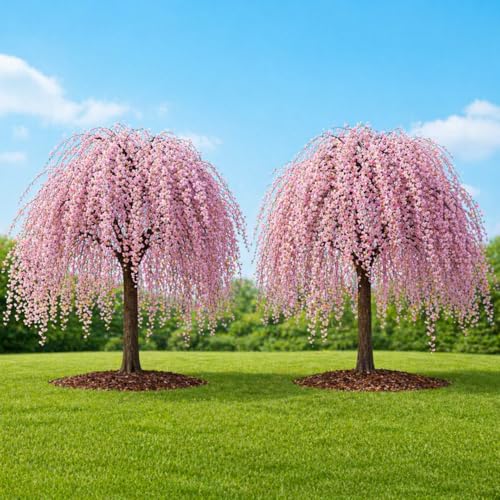
    White Japanese Weeping Cherry 'Shidare Yoshino' - Live Plant Shipped 3 to 4 Feet Tall by DAS Farms
    White Japanese Weeping Cherry 'Shidare Yoshino' - Live Plant Shipped 3 to 4 Feet Tall by DAS Farms

    Do not transplant into another container, only the ground. These are ready to plant and should be put in the ground according to the included instructions upon arrival. All pictures are of fully grown plants. Sizes shipped are in the title and description. Deciduous plants do not have leaves in the winter.

    VIEW LATEST PRICE

    As an affiliate, we earn on qualifying purchases.

    Weeping Cherry Tree Live Plant, 6-12 Inch Tall Starter Plant, Japanese Cherry Blossom Tree, Easy Care Flowering Tree for Planting Outdoors
    Weeping Cherry Tree Live Plant, 6-12 Inch Tall Starter Plant, Japanese Cherry Blossom Tree, Easy Care Flowering Tree for Planting Outdoors

    WHAT YOU WILL RECEIVE: A Cherry Blossom Tree live plant, arrived as a young starter tree suitable for transplanting into garden beds or outdoor containers.

    MUST READ
    How Long Before Olive Trees Bear Fruit: A Guide to Growing and Caring for Your Trees
    VIEW LATEST PRICE

    As an affiliate, we earn on qualifying purchases.

    Autumnalis Cherry Tree Live Plant, 6-12 Inch Tall Starter Plant, Japanese Cherry Blossom Tree, Easy Care Flowering Tree for Planting Outdoors
    Autumnalis Cherry Tree Live Plant, 6-12 Inch Tall Starter Plant, Japanese Cherry Blossom Tree, Easy Care Flowering Tree for Planting Outdoors

    WHAT YOU WILL RECEIVE: A Cherry Blossom Tree live plant, arrived as a young starter tree suitable for transplanting into garden beds or outdoor containers.

    VIEW LATEST PRICE

    As an affiliate, we earn on qualifying purchases.

    Yoshino Cherry Trees

    Yoshino cherry trees (Prunus x yedoensis) are the most iconic cherry trees in D.C. Known for their stunning pink blossoms, these trees thrive in the Tidal Basin and other parks. While beautiful, Yoshino cherries do not produce fruit suitable for human consumption. Occasionally, small, bitter cherries appear, attracting local birds and wildlife instead of humans. These trees play a vital role in springtime celebrations, particularly during the National Cherry Blossom Festival, where visitors flock to admire their breathtaking blooms.

    Kwanzan Cherry Trees

    Kwanzan cherry trees (Prunus serrulata ‘Kwanzan’) contribute another layer of beauty to the cherry tree landscape in D.C. Recognized for their double-petal pink flowers, these trees create a full, lush appearance. Like the Yoshino variety, Kwanzan cherries primarily serve ornamental purposes and do not bear edible fruit. The cherries they produce are small and not palatable for human consumption. Kwanzan trees often line streets and public spaces, enhancing the city’s aesthetic during the blooming season.

    The Pollination Process

    Cherry trees rely on pollinators for successful reproduction. Understanding the pollination process reveals the roles these creatures play in the health of cherry trees.

    Recommended Products

    Mason Bee House - Handmade Natural Wooden Bee Hive Coated with Wax for Water-Proof and Long Service Life - Attracts Peaceful Bee Pollinators to Your Garden, Bee Houses for Garden
    Mason Bee House - Handmade Natural Wooden Bee Hive Coated with Wax for Water-Proof and Long Service Life - Attracts Peaceful Bee Pollinators to Your Garden, Bee Houses for Garden

    Durable Mason Bee House: Our mason bee house is fully coated with beeswax, supporting steady use in outdoor surroundings while effectively attracting mason bees to your garden

    MUST READ
    What Fruit Trees Do You Need Two Of for Optimal Pollination and Healthy Harvests
    VIEW LATEST PRICE

    As an affiliate, we earn on qualifying purchases.

    Nature's Way Bird Products PWH1-C Teal Bee House
    Nature's Way Bird Products PWH1-C Teal Bee House

    Naturally maintain and improve the health of the plants in your yard, landscape, or garden by attracting beneficial insects!

    VIEW LATEST PRICE

    As an affiliate, we earn on qualifying purchases.

    Pollinating Palace-Mason Bee House, Natural Hanging Wooden bee House Habitat with Bamboo Tubes for the Garden and Yard
    Pollinating Palace-Mason Bee House, Natural Hanging Wooden bee House Habitat with Bamboo Tubes for the Garden and Yard

    Elevate your garden's natural beauty with this hand made pollinators home for bees to rest, nest and thrive.

    VIEW LATEST PRICE

    As an affiliate, we earn on qualifying purchases.

    Importance of Pollinators

    Pollinators, such as bees, butterflies, and other insects, are vital for cherry trees. They transfer pollen from the male parts of the flowers to the female parts, enabling fertilization. Without these pollinators, trees can’t produce fruit effectively. For instance, the presence of honeybees significantly boosts fruit set in cherry trees. Engaging local pollinator habitats enhances the chances of successful cherry fruit production.

    Conditions for Successful Pollination

    Successful pollination requires specific conditions. Adequate sunlight, warm temperatures, and minimal wind contribute to effective pollination. Cherry trees often bloom in early spring, where temperatures between 60°F and 70°F enhance pollinator activity. Additionally, ensuring that trees are planted in clusters improves cross-pollination possibilities. Stronger connections between multiple trees increase pollen transfer rates and, consequently, fruit development.

    Fruit Production in Cherry Trees

    Cherry trees in Washington, D.C. primarily serve an ornamental purpose, especially the popular Yoshino and Kwanzan varieties. Although they occasionally produce small cherries, these fruits aren’t suitable for human consumption. The bitter taste renders them more appealing to birds and wildlife.

    Recommended Products

    Bonide Captain Jack's Fruit Tree Spray, 16 oz Concentrate
    Bonide Captain Jack's Fruit Tree Spray, 16 oz Concentrate

    Control diseases and insects in your garden with Captain Jack’s Fruit Tree Spray Concentrate! Use on a variety of listed fruits, nuts and citrus plants.

    MUST READ
    What Fruit Trees Do Deer Like
    VIEW LATEST PRICE

    As an affiliate, we earn on qualifying purchases.

    BioAdvanced Fruit & Citrus Tree Insect Control Concentrate - 32 oz Bottle
    BioAdvanced Fruit & Citrus Tree Insect Control Concentrate - 32 oz Bottle

    KILLS LISTED FRUIT & CITRUS TREE INSECTS: Controls Asian Citrus Psyllid, Whiteflies, Aphids Thrips, Citrus Leafminers, Leafhoppers, Blackfly, Mealybugs, Scales, Avocado Lacebugs, Oriental Beetles, Flea Beetles, Sharpshooters, and Spittlebugs

    VIEW LATEST PRICE

    As an affiliate, we earn on qualifying purchases.

    Bonide Annual Tree & Shrub Insect Control with Systemaxx, 128 oz Concentrate, Year Long Protection and Insect Killer
    Bonide Annual Tree & Shrub Insect Control with Systemaxx, 128 oz Concentrate, Year Long Protection and Insect Killer

    Kill borers, miners and more in your lawn and garden with Annual Tree & Shrub Insect Control Concentrate with Systemaxx from Bonide

    VIEW LATEST PRICE

    As an affiliate, we earn on qualifying purchases.

    Factors Affecting Fruit Set

    You can influence fruit production through several key factors.

    • Pollination: Successful pollination depends heavily on pollinators like bees and butterflies. You’ll want to plant your cherry trees in clusters to enhance cross-pollination, encouraging greater fruit development.
    • Environmental Conditions: Optimal conditions for fruit set include adequate sunlight and warm temperatures, ideally between 60°F and 70°F. Protecting your trees from strong winds also supports better pollinator activity.
    • Tree Health: Healthy trees produce better fruit. Good soil, proper watering, and regular pruning contribute to the overall health of your cherry trees.

    Common Challenges

    Several challenges arise when aiming for fruit production in cherry trees.

    • Pest Infestation: Insects like aphids and cherry fruit flies can damage blossoms and hinder fruit set. Regular monitoring and appropriate pest control methods can mitigate this issue.
    • Disease: Fungal diseases, such as powdery mildew or brown rot, can affect fruit quality. Keeping a clean garden and ensuring good air circulation can help prevent these diseases.
    • Temperature Fluctuations: Late frosts can damage flowering buds, impacting fruit set. To protect your trees, consider planting them in locations that are less susceptible to frost.

    Understanding these factors and challenges provides a clearer picture of fruit production possibilities in cherry trees.

    MUST READ
    Should I Prune Newly Planted Fruit Trees for Healthy Growth and Maximum Yield

    Conclusion

    While the cherry blossoms in Washington, D.C. are a sight to behold they don’t bear fruit that’s suitable for eating. The Yoshino and Kwanzan varieties are all about their stunning blooms rather than tasty cherries. If you’re looking to enjoy delicious fruit from cherry trees you might want to consider other varieties like Bing or Montmorency.

    So next time you admire the beautiful blossoms during the National Cherry Blossom Festival remember their true charm lies in their breathtaking beauty and cultural significance rather than in fruit production. Enjoy the scenery and the vibrant atmosphere they bring to the city!

    Frequently Asked Questions

    Do cherry blossom trees in Washington, D.C. produce fruit?

    Yes, cherry blossom trees, particularly the Yoshino variety, do produce small cherries. However, these cherries are not suitable for human consumption and are often bitter, mainly benefitting birds and wildlife.

    What type of cherry trees should I plant for fruit?

    If you’re looking to cultivate cherry trees for edible fruit, consider varieties like Bing or Montmorency. These types are specifically bred for fruit production and yield delicious cherries suitable for eating.

    What is the National Cherry Blossom Festival?

    The National Cherry Blossom Festival is an annual event in Washington, D.C., celebrating the blooming of cherry blossom trees. It highlights the cultural significance of these trees and features various activities, parades, and performances.

    How does the pollination of cherry trees work?

    Pollination is crucial for cherry trees as it involves transferring pollen from one flower to another, primarily by bees and butterflies. Successful pollination requires optimal conditions, including warm temperatures, sunlight, and minimal wind for improved fruit production.

    What factors affect cherry tree fruit production?

    Several factors can influence fruit production in cherry trees, including tree health, environmental conditions, and pollination success. Challenges like pest infestations, diseases, and temperature fluctuations can hinder fruit set, making tree care essential for better yields.

    Share. Facebook Twitter Pinterest LinkedIn Tumblr Email
    martha jackson
    Martha Jackson

      Martha Jackson is an accomplished freelance writer and editor with a strong interest in gardening. With a degree in English from the University of California, Berkeley, Martha has over 15 years of experience writing for a variety of publications. She is passionate about making gardening accessible to all and is always seeking out new techniques and innovations.

      Related Posts

      How Long Until Avocado Trees Bear Fruit and Tips for Faster Growth at Home

      February 20, 2025

      What Yellow Fruit Grows on Trees and Their Delicious Health Benefits

      February 20, 2025

      How to Air Layer Fruit Trees: A Step-by-Step Guide for Successful Propagation

      February 20, 2025

      When Do Grapefruit Trees Produce Fruit and How to Maximize Your Harvest

      February 20, 2025

      What Is a Fast Growing Fruit Tree: Discover Quick-Yield Options for Your Garden

      February 20, 2025

      Do Cherry Blossom Trees Have Fruit? Discover the Truth About Their Edibility and Benefits

      February 20, 2025
      Leave A Reply Cancel Reply

      Affiliate Disclosure

      As an Amazon Associate I earn from qualifying purchases.

      Recommended Reading

      Olive Trees in a Pot in San Jose, CA (Silicon Valley Harvest)

      How Long Do Orange Trees Take to Produce Fruit: Timelines and Tips for Successful Growth

      Can Plum Trees Grow in New Jersey? Garden State Growth Tips

      Mastering Green Grape Storage: Tips for Freshness & Flavor Preservation

      How to Plant Grapes Successfully in Your Backyard: A Comprehensive Guide

      What Scares Squirrels Away from Fruit Trees: Effective Strategies for Gardeners to Protect Harvests

      Mango Trees in District of Columbia (Urban Microclimate Secrets)

      Walnut Trees in a Pot in Idaho (Cold-Climate Potting Manual)

      What Fruit Trees Grow in Nebraska: Best Varieties for Your Home Orchard

      How Long Does a Citrus Tree Take to Bear Fruit and Tips for Success in Your Garden

      Fruit Tree Hub

      Fruit Tree Hub is a website dedicated to providing you everything you need to grow fruit trees successfully at in your own yard.

      Contact us at: [email protected]

      - AFFILIATE DISCLOSURE: As an Amazon Associate I earn from qualifying purchases.

      Latest Posts

      21 Colorful Halloween Crochet Motifs Featuring Pumpkins Bats and Black Cats

      23 Smart Halloween Crochet Ideas to Sell as Keychains and Coasters

      22 Fun Halloween Crochet Ideas Built Around Treat Bags and Hats

      23 Adorable Halloween Amigurumi Ideas Featuring Ghosts and Black Cats

      22 Compact Halloween Crochet Decorations for Shelves and Small Spaces

      19 Practical Halloween Crochet Decorations Designed for Tabletop Displays

      24 Cozy Halloween Crochet Decor Ideas Built Around Mantel Garlands

      19 Playful Kawaii Halloween Crochet Ideas Featuring Smiling Spooky Characters

      Categories
      • Almond Trees
      • Apple Trees
      • Apricot Trees
      • Best Fruit Trees
      • Blackberry
      • Cantaloupe
      • Cherry Trees
      • Crochet Ideas
      • Crochet Ideas for Beginners
      • Cucamelon
      • Easy Crochet Ideas
      • Easy Knitting Projects
      • Fall Crochet Ideas
      • Fig Trees
      • Grapefruit Trees
      • Grapes
      • Guava Trees
      • Halloween Crochet Ideas
      • Honeydew
      • Jujube Trees
      • Kiwi
      • Knitting For Beginners
      • Knitting Ideas
      • Knitting Inspiration
      • Lemon Trees
      • Lime Trees
      • Loquat Trees
      • Mango Trees
      • Mulberry Trees
      • Nectarine Trees
      • Olive Trees
      • Orange Trees
      • Papaya Trees
      • Peach Trees
      • Pear Trees
      • Persimmon Trees
      • Planting
      • Plum Trees
      • Pomegranate Trees
      • Quince Trees
      • Raspberry
      • Reviews
      • Small Crochet Ideas
      • Star Fruit Trees
      • Summer Crochet Ideas
      • Tamarind Trees
      • Tangerine Trees
      • Tips and Advice
      • Tools
      • Uncategorized
      • Walnut Trees
      © 2026 Fruit Tree Hub
      • Home
      • About Us
      • Contact
      • Privacy Policy
      • Terms and Conditions
      • Disclaimer
      • Editorial Policy
      • Affiliate Disclosure

      Type above and press Enter to search. Press Esc to cancel.