

Have you ever looked up at a sycamore tree and wondered if it produces fruit? You’re not alone! Many people admire these towering beauties but might not know much about their reproductive habits.
Understanding whether sycamore trees bear fruit can help you appreciate their role in nature. It can also guide you if you’re considering planting one in your yard or garden. This article will clear up any confusion about sycamore trees and their fruit, giving you the insights you need to enjoy these magnificent trees even more.
Key Takeaways
- Sycamore Tree Characteristics: Sycamore trees typically reach heights of 75 to 100 feet and have broad, palmate leaves that change color in the fall, enhancing their landscape appeal.
- Fruit Production: Sycamore trees produce non-edible fruit, characterized as small, round clusters known as seed balls, which contain numerous seeds and contribute to tree propagation.
- Pollination: Wind plays a crucial role in the pollination of sycamore trees, occurring mainly in early spring when the trees produce small hanging flowers.
- Ecological Role: The seed balls of sycamore trees support wildlife by serving as a food source and providing nesting sites, which enhances biodiversity in various habitats.
- Soil Enrichment: Fallen leaves and decomposed seed balls from sycamore trees contribute organic matter, promoting soil fertility and preventing erosion, particularly along riverbanks.
- Growth Conditions: These trees thrive in moist, well-drained soil and require full sunlight, making them adaptable to both natural and urban settings with proper care.
Overview of Sycamore Trees
Sycamore trees, belonging to the genus Platanus, grow in diverse environments across North America and Europe. These trees are known for their large, broad leaves and distinctive, mottled bark that peels away, revealing lighter layers underneath.
Recommended Products

RAPID GROWTH RATE: This variety is famous for its ability to grow quickly, often adding several feet of height per year once established. These vigorous starters are a top choice for those who want a functional landscape piece that provides a fresh look and wide-reaching shade in a shorter amount of time.

For sale is one American Sycamore tree that is approximately 24-36" tall and shipped bareroot
For sale is one American Sycamore tree that is approximately 8-16" tall and shipped in a quart pot
Key Characteristics
- Height: Sycamore trees typically reach heights of 75 to 100 feet.
- Width: Their canopy spans 50 to 70 feet, providing ample shade.
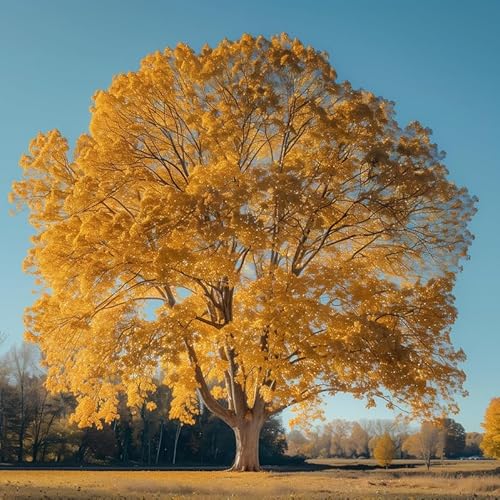
- Leaves: The leaves are broad, palmate, and can grow up to 10 inches across. In fall, they change from vibrant green to golden yellow.
Common Varieties
- American Sycamore (Platanus occidentalis): This variety thrives near rivers and wetlands, often reaching its full height quickly.
- London Plane Tree (Platanus × acerifolia): A hybrid, it’s popular in urban areas due to its pollution tolerance.
Growth Conditions
Sycamore trees prefer moist, well-drained soil with good sunlight. They adapt to a range of soil types but flourish in fertile conditions. Understanding the environment encourages healthy growth and robust development.
- Lifespan: Sycamores can live up to 250 years or longer, adding beauty to landscapes for generations.
- Maintenance: Regular pruning helps maintain shape and removes dead branches, promoting overall health.
Sycamore trees contribute significantly to ecosystems. Their large canopies offer nesting sites for birds and shelter for various wildlife, enhancing biodiversity in urban and natural settings.
Characteristics of Sycamore Trees
Sycamore trees exhibit distinct features that contribute to their appeal in various landscapes.
Physical Features
Sycamore trees can grow to impressive heights of 75 to 100 feet, creating a striking presence. Their trunks can reach up to 10 feet in diameter, displaying a mottled bark that peels in patches to reveal a smooth, bluish-white inner bark. Palmate leaves span 4 to 12 inches and feature 5 lobes, offering a lush canopy during the growing season. In fall, leaves turn vibrant shades of yellow to brown, enhancing their autumn beauty. The tree produces small, ball-like flowers that are clustered and hang from long stems, which eventually lead to the formation of fruits.
Growth Conditions
Sycamores prefer moist, well-drained soil but adapt well to various conditions, including urban settings. They thrive in full sunlight, requiring at least 6 hours of direct sunlight daily for optimal growth. These trees benefit from regular watering, especially in dry spells, but they handle periodic flooding better than many other species. You’ll often find sycamores along riverbanks and wet soil areas, reflecting their resilience to fluctuating moisture levels. For successful planting, consider spacing them at least 30 feet apart to allow for their wide canopy spread. Regular maintenance, like pruning, promotes healthy growth and shapes the tree’s appearance.
Do Sycamore Trees Have Fruit?
Sycamore trees do produce fruit, but their fruit differs from what many people typically expect. The fruit of a sycamore tree is not fleshy or edible. Instead, it forms as a small, round cluster.
Description of Sycamore Fruit
Sycamore fruit appears as a round, brownish ball, often referred to as a “sycamore seed ball.” Each seed ball contains numerous small seeds and can measure about 1 inch in diameter. These clusters typically develop in late spring and begin to mature in the fall. Once mature, the seed balls break apart, spreading seeds through the wind. This natural dispersal method helps sycamore trees propagate in suitable locations.
Pollination Process
The pollination of sycamore trees occurs mainly through wind. In early spring, before the leaves fully develop, sycamore trees produce small, hanging flowers. These flowers consist of both male and female parts. The male flowers release pollen, which is carried by the wind to the female flowers. This process ensures that the flowers can fertilize and produce the characteristic seed balls. Timing is crucial; most pollination happens before the trees fully leaf out, maximizing chances for successful reproduction.
Ecological Importance of Sycamore Fruit
Sycamore fruit, particularly the seed balls, plays a significant role in environmental health. The seed balls, measuring about 1 inch in diameter, serve multiple ecological functions.
Seed Dispersal
- Wind Dispersal: The round seed balls break apart in the fall, allowing wind to carry the seeds over long distances. This process aids in colonizing new areas and supports the tree’s expansion.
- Vegetation Mixing: By dispersing seeds, sycamore trees contribute to diverse plant communities, enhancing the ecosystem’s resilience.
Wildlife Habitat
- Food Source: Numerous wildlife species, including squirrels, birds, and insects, consume the seeds. This food source supports various animals, contributing to the food web.
- Nesting Sites: The large canopy of sycamore trees provides critical nesting sites for birds. Various birds, such as woodpeckers and wrens, benefit from the shelter offered by these trees.
Soil Health
- Organic Matter: Fallen leaves and decomposed seed balls enrich the soil, promoting soil health. These organic materials enhance soil fertility and support other plant species.
- Preventing Erosion: The extensive root system of sycamore trees helps stabilize soil and prevent erosion near riverbanks and streambeds.
- Habitat Variation: Sycamore trees create unique microhabitats, encouraging biodiversity. They attract different species that rely on the tree’s structure and its fruit.
- Species Interdependence: Sycamore seed balls foster interdependent relationships among various species, bolstering ecological balance.
Understanding the ecological importance of sycamore fruit highlights the tree’s role in maintaining healthy ecosystems and supporting a variety of wildlife.
Conclusion
Sycamore trees are truly remarkable with their unique fruits and ecological contributions. Understanding their seed balls gives you a deeper appreciation for these majestic trees and their role in the environment. Whether you’re considering planting one in your yard or simply enjoying their beauty in nature, knowing about their fruit can enhance your experience.
As you explore the world of sycamores, remember their importance in supporting wildlife and enriching ecosystems. These trees not only provide stunning landscapes but also foster biodiversity, making them a valuable addition to any setting. So next time you see a sycamore, take a moment to admire its beauty and the life it supports all around it.
Frequently Asked Questions
Do sycamore trees produce fruit?
Yes, sycamore trees do produce fruit, though it may not resemble typical fruit. Their fruit is a small, round cluster known as a “sycamore seed ball,” which contains many seeds. These seed balls develop in late spring and mature in the fall.
What is a sycamore seed ball?
A sycamore seed ball is a small, brownish cluster measuring about 1 inch in diameter. It contains numerous seeds that break apart in the fall, allowing them to disperse by wind, facilitating new growth in different areas.
How do sycamore trees reproduce?
Sycamore trees reproduce mainly through wind pollination. They produce small, hanging flowers in early spring, which contain both male and female parts. Successful fertilization results in the production of seed balls.
What conditions do sycamore trees prefer for planting?
Sycamore trees thrive in moist, well-drained soil under full sunlight. They are adaptable to various conditions but require regular watering and sufficient space, ideally planted at least 30 feet apart.
How long can sycamore trees live?
Sycamore trees can live for up to 250 years, contributing to landscapes for generations. Their longevity makes them a valuable addition to both urban and natural environments.
What are the key characteristics of sycamore trees?
Sycamore trees can grow between 75 to 100 feet tall with a canopy spread of 50 to 70 feet. They are recognized for their broad, palmate leaves, mottled bark, and unique ball-like flowers that lead to seed ball production.
Why are sycamore trees important for ecosystems?
Sycamore trees play a vital role in enhancing biodiversity. Their seed balls serve as a food source for wildlife, and their large canopy provides critical nesting sites for birds, supporting various species in the ecosystem.
How should sycamore trees be maintained?
Regular maintenance for sycamore trees includes pruning to promote health and shape. Proper care ensures optimal growth, supports environmental functions, and prevents overcrowding, allowing each tree to thrive.
