
Close Menu
    Fruit Tree Hub
    • Home
    • Apple Trees
    • Lemon Trees
    • Mango Trees
    • Orange Trees
    • More Trees
      • Best Fruit Trees
      • Apricot Trees
      • Cherry Trees
      • Fig Trees
      • Lime Trees
      • Mulberry Trees
      • Peach Trees
      • Pear Trees
      • Plum Trees
      • Pomegranate Trees
    • Tips and Advice
      • Tools
    • About Us
      • Contact
      • Privacy Policy
    Fruit Tree Hub
    Home»Tips and Advice»Do I Need 2 Fruit Trees to Produce: Understanding Pollination and Harvest Benefits
    Tips and Advice

    Do I Need 2 Fruit Trees to Produce: Understanding Pollination and Harvest Benefits

    Martha JacksonBy Martha JacksonJanuary 28, 20257 Mins Read
    Share Facebook Twitter Pinterest WhatsApp Email
    Share
    Facebook Twitter LinkedIn Pinterest Telegram Email

    Have you ever wondered if you need more than one fruit tree to get a good harvest? You’re not alone. Many gardeners face this question when planning their orchards. It can be confusing, especially with all the different types of fruit trees out there.

    Contents show
    1 Key Takeaways
    2 Understanding Fruit Tree Pollination
    2.1 Pollination Basics
    2.2 Self-Pollinating vs. Cross-Pollinating Trees
    3 Benefits of Planting Two Fruit Trees
    3.1 Increased Fruit Yield
    3.2 Diverse Genetic Pool
    4 Situations Where One Tree Suffices
    4.1 Considerations for Self-Pollinating Varieties
    5 Factors to Consider Before Planting
    5.1 Space Requirements
    5.2 Climate and Soil Conditions
    6 Conclusion
    7 Frequently Asked Questions
    7.1 Do I need more than one fruit tree for a good harvest?
    7.2 What are self-pollinating trees?
    7.3 Why is cross-pollination important for fruit trees?
    7.4 How do I choose the right fruit trees for my garden?
    7.5 What space do fruit trees need?
    7.6 What factors affect fruit tree health?

    Key Takeaways

    • Pollination Importance: Understanding the role of pollination is essential for determining how many fruit trees you need for optimal harvests.
    • Self-Pollinating vs. Cross-Pollinating: Some trees, like specific apple and cherry varieties, can produce fruit alone, while others, such as almonds and plums, require another tree for successful pollination.
    • Benefits of Planting Two Trees: Planting two fruit trees can significantly increase yield and create a diverse genetic pool, leading to healthier and more productive trees.
    • One Tree Suffices in Certain Cases: Self-pollinating varieties are ideal when space is limited or when you want a simpler garden setup; one tree can still yield a good harvest.
    • Consider Planting Factors: Evaluate space and environmental conditions like climate and soil quality before planting to ensure your fruit trees thrive.

    Understanding Fruit Tree Pollination

    Pollination plays a critical role in fruit production. Knowing how it works can help you determine whether you need one or two fruit trees for a successful harvest.

    MUST READ
    How to Get a Peach Tree to Bear Fruit: Essential Tips for a Bountiful Harvest

    Pollination Basics

    Pollination involves transferring pollen from male parts of flowers to female parts. This process leads to fertilization and the development of fruit. Various agents, including wind, insects, and birds, facilitate this transfer. Understanding the method of pollination can influence your planting decisions.

    Self-Pollinating vs. Cross-Pollinating Trees

    Self-pollinating trees produce fruit with their pollen, meaning one tree is enough. Examples include:

    • Apple varieties: Some types, like ‘Granny Smith’ and ‘Golden Delicious,’ can self-pollinate.
    • Cherry trees: Sweet cherries often self-pollinate effectively.

    Cross-pollinating trees require pollen from another tree of the same species for optimal fruit set. Examples include:

    • Almonds: Many varieties depend on pollen from different almond trees.
    • Plums: Various plum trees flourish when cross-pollinated with compatible types.

    Consider the variety of your trees when planning your garden. Check the specific pollination needs to ensure a fruitful harvest.

    Benefits of Planting Two Fruit Trees

    Planting two fruit trees offers significant advantages for your garden. These benefits include increased fruit yield and a diverse genetic pool, which enhance the overall productivity and health of your trees.

    Recommended Products

    8 Bare Root Fruit Plants | 2 Each Apple, Blueberry, Raspberry & BlackBerry
    8 Bare Root Fruit Plants | 2 Each Apple, Blueberry, Raspberry & BlackBerry

    Complete Orchard Starter Bundle: Receive 8 dormant bare root fruit trees with 2 each of Apple,Blueberry, Raspberry, Blackberry. A great way to start or expand a backyard orchard with a variety of delicious fruits.

    VIEW LATEST PRICE

    As an affiliate, we earn on qualifying purchases.

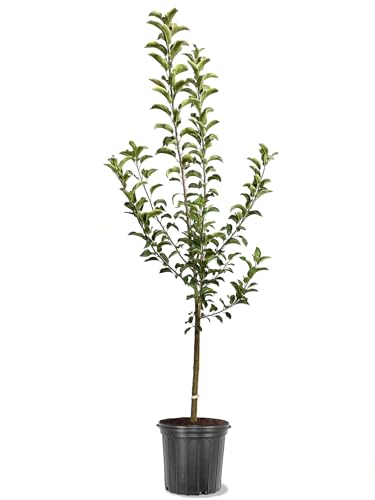
    Red Delicious Apple Tree, 1 gal Nursery Pot, 2-3 ft. Tree Height
    Red Delicious Apple Tree, 1 gal Nursery Pot, 2-3 ft. Tree Height

    Harvest Season: Ripens through September and October, producing large, dark red fruit with sweet and juicy taste suitable for dessert cooking and fresh eating
    VIEW LATEST PRICE

    As an affiliate, we earn on qualifying purchases.

    American Plant Exchange Apple Tree 'Honeycrisp' – Live Fruit-Bearing Plant, 2-3 ft Tall, 5-Gallon Pot, Cold-Hardy, Juicy & Crisp Red Harvest for Home Orchards, Backyard Gardens & Edible Landscapes
    American Plant Exchange Apple Tree 'Honeycrisp' – Live Fruit-Bearing Plant, 2-3 ft Tall, 5-Gallon Pot, Cold-Hardy, Juicy & Crisp Red Harvest for Home Orchards, Backyard Gardens & Edible Landscapes

    Crisp, Sweet Apples: Produces large, juicy apples with a perfect balance of sweetness and tartness, ideal for fresh eating and baking.

    MUST READ
    Can You Plant Fruit Trees in January: Tips for Successful Early Planting
    VIEW LATEST PRICE

    As an affiliate, we earn on qualifying purchases.

    Increased Fruit Yield

    Planting two fruit trees boosts your overall fruit yield. Cross-pollination among trees improves fruit set and size, leading to a more abundant harvest. For instance, apple trees typically require pollen from another apple tree for optimal production. If you plant two different apple varieties, you’ll enjoy a higher quantity of larger, tastier apples.

    Diverse Genetic Pool

    Establishing two fruit trees contributes to a diverse genetic pool. This diversity results in better disease resistance and adaptability to environmental changes. For example, combining different peach or cherry varieties helps create a more resilient garden. The stronger genetic diversity maximizes your chances of successful fruit production across varying conditions, ensuring your trees remain healthy and fruitful for years to come.

    Situations Where One Tree Suffices

    You can successfully produce fruit with just one tree in specific situations. Understanding these scenarios helps you maximize your gardening efforts.

    Recommended Products

    200+ Mix Dwarf Bonsai Fruit Tree Seeds for Planting, 4 Variety Individual Packs, 50+ Lemon Tree Seeds 50+ Cherry Tree Seeds 50+ Orange Tree Seeds 50+ Apple Seeds Organic Heirloom Fruit Seeds
    200+ Mix Dwarf Bonsai Fruit Tree Seeds for Planting, 4 Variety Individual Packs, 50+ Lemon Tree Seeds 50+ Cherry Tree Seeds 50+ Orange Tree Seeds 50+ Apple Seeds Organic Heirloom Fruit Seeds

    4 kinds of the most popular fruits, individually packaged, 50pcs Lemon seeds 50pcs Cherry seeds 50pcs Orange seeds 50pcs Apple seeds Fresh seeds, all fruit seeds are packed in tear and moisture resistant zipper sealed bags for your long term storage.

    VIEW LATEST PRICE

    As an affiliate, we earn on qualifying purchases.

    Rainier Cherry Tree Live Plant – Self-Pollinating Sweet Cherry – Yellow Red Blush Fruit – Ornamental Edible Fruit Tree – 3 Inch Pot
    Rainier Cherry Tree Live Plant – Self-Pollinating Sweet Cherry – Yellow Red Blush Fruit – Ornamental Edible Fruit Tree – 3 Inch Pot

    🍒 Sweet Rainier Cherries – Famous golden-yellow fruit with red blush and rich flavor.
    VIEW LATEST PRICE

    As an affiliate, we earn on qualifying purchases.

    MUST READ
    What Causes Curl Leaf on Stone Fruit Trees and How to Restore Their Health
    2 Weeping Cherry Tree Plant, 6-12 Inch Tall, Easy Care, Hardy Ornamental Flowering Cherry Tree, Ideal for Yard, Garden & Landscape
    2 Weeping Cherry Tree Plant, 6-12 Inch Tall, Easy Care, Hardy Ornamental Flowering Cherry Tree, Ideal for Yard, Garden & Landscape

    WHAT YOU WILL RECEIVE: 2 Cherry blossom tree live plant approximately 6 - 12 inches tall, prepared for transplanting into garden soil or outdoor containers

    VIEW LATEST PRICE

    As an affiliate, we earn on qualifying purchases.

    Considerations for Self-Pollinating Varieties

    Self-pollinating fruit trees require no partner to set fruit. Examples of these include certain apple and cherry varieties. With just one tree, you’ll still enjoy a bountiful yield.

    • Genetic Adaptability: Self-pollinating trees adapt well to various environments. Their ability to process pollen internally makes them resilient in different conditions.
    • Space Constraints: If space is limited in your garden, select a self-pollinating variety. This choice allows you to enjoy fruit without crowding your garden.
    • Pollination Timing: Self-pollinating trees often flower at varying times, increasing the chance of successful pollination. This flexibility can lead to fruitful harvests even with one tree.

    In these cases, having only one fruit tree proves sufficient for a productive garden.

    Factors to Consider Before Planting

    Before planting fruit trees, evaluate several key factors that can significantly influence your success.

    Recommended Products

    DUSPRO Pre-Mixed 4in1 Ready to Use Citrus Tree Potting Soil Mix, 6QRT
    DUSPRO Pre-Mixed 4in1 Ready to Use Citrus Tree Potting Soil Mix, 6QRT

    Made For Potted Citrus Trees: Our citrus potting soil mix is made for potted lemon, lime, orange and other citrus trees that need a lighter growing medium for repotting. We double-screen all of our raw ingredients to support a cleaner, more consistent texture for pouring and repotting potted citrus trees.

    VIEW LATEST PRICE

    As an affiliate, we earn on qualifying purchases.

    GARDENWISE Organic Lemon Tree Soil – Citrus Potting Mix with Organic Fertilizer – Ideal for Potted Lemon Trees, Meyer Lemons & Citrus Plants – Chunky, Indoor & Outdoor (3 QUARTS)
    GARDENWISE Organic Lemon Tree Soil – Citrus Potting Mix with Organic Fertilizer – Ideal for Potted Lemon Trees, Meyer Lemons & Citrus Plants – Chunky, Indoor & Outdoor (3 QUARTS)

    Enriched with Organic Fertilizer – This lemon tree fertilizer provides nutrients for up to 6 months, so your citrus trees stay healthy and productive with minimal upkeep.

    MUST READ
    Do Banana Trees Only Fruit Once: Understanding Their Unique Fruiting Cycle and Care Tips
    VIEW LATEST PRICE

    As an affiliate, we earn on qualifying purchases.

    Omitgoter All-Natural Money Tree Soil & Indoor Potting Mix 1QT- Drainage-Enhanced Plant Soil for Healthy Indoor Plants
    Omitgoter All-Natural Money Tree Soil & Indoor Potting Mix 1QT- Drainage-Enhanced Plant Soil for Healthy Indoor Plants

    Natural Money Tree Soil: Pure blend of peat moss, coconut coir, perlite, bark and humus for healthy indoor plants—no additives, just earth-friendly goodness.

    VIEW LATEST PRICE

    As an affiliate, we earn on qualifying purchases.

    Space Requirements

    Space plays a crucial role in fruit tree planting. Each tree needs adequate room to grow both above and below ground. Consider the mature size of the tree varieties you plan to plant. For example, standard apple trees typically require 20 to 30 feet of space, while dwarf varieties can thrive in as little as 8 to 10 feet. Ensure you allow enough distance between trees for air circulation and sunlight access. Crowded trees may lead to poor growth and reduced fruit quality.

    Climate and Soil Conditions

    Climate and soil conditions directly affect fruit tree health and productivity. Different species thrive in various climates. For instance, citrus trees flourish in warm, sunny areas, while certain apple varieties prefer temperate zones. Assess your USDA Plant Hardiness Zone to narrow down suitable tree types.

    Additionally, soil quality matters. Fruit trees usually prefer well-draining soil rich in organic matter. Conduct a soil test to check pH and nutrient levels. Most fruit trees thrive in slightly acidic to neutral soil (pH 6 to 7). If your soil needs improvement, consider adding compost or specific soil amendments to create an ideal environment for growth.

    By considering space and environmental factors, you enhance the likelihood of a successful and fruitful orchard.

    Conclusion

    Deciding whether to plant one or two fruit trees really boils down to the types you choose and your garden’s specific needs. If you opt for self-pollinating varieties you might get away with just one tree and still enjoy a good harvest.

    MUST READ
    What is Dormant Spray for Fruit Trees and How It Protects Your Trees This Season

    However if you’re looking for a bountiful yield and want to enhance your garden’s diversity planting two trees can be a game changer. You’ll not only increase your fruit production but also improve the overall health of your trees.

    So take some time to consider your options and plan accordingly. With the right choices you can create a thriving orchard that brings you joy and plenty of delicious fruit for years to come.

    Frequently Asked Questions

    Do I need more than one fruit tree for a good harvest?

    Yes, you may need more than one fruit tree depending on the type. Self-pollinating trees can yield fruit with just one tree, while cross-pollinating trees require another tree of the same species for optimal fruit set.

    What are self-pollinating trees?

    Self-pollinating trees are species that can produce fruit without needing pollen from another tree. Examples include certain varieties of apples and cherries. These trees are ideal for limited space gardens.

    Why is cross-pollination important for fruit trees?

    Cross-pollination increases fruit yield and size by allowing pollen transfer between different trees. Many fruit varieties, like plums and almonds, require this for a productive harvest.

    How do I choose the right fruit trees for my garden?

    Consider the trees’ pollination needs, space requirements, climate compatibility, and soil conditions. Ensure your selected trees complement each other, especially if they require cross-pollination.

    What space do fruit trees need?

    Standard apple trees need 20 to 30 feet of space, while dwarf varieties can thrive in 8 to 10 feet. Ensure adequate room for both above and below ground growth.

    What factors affect fruit tree health?

    Key factors include climate, soil conditions, and adequate space. Well-draining, nutrient-rich soil is vital, and different species have specific climate preferences that affect their growth and productivity.

    Share. Facebook Twitter Pinterest LinkedIn Tumblr Email
    martha jackson
    Martha Jackson

      Martha Jackson is an accomplished freelance writer and editor with a strong interest in gardening. With a degree in English from the University of California, Berkeley, Martha has over 15 years of experience writing for a variety of publications. She is passionate about making gardening accessible to all and is always seeking out new techniques and innovations.

      Related Posts

      How Long Until Avocado Trees Bear Fruit and Tips for Faster Growth at Home

      February 20, 2025

      What Yellow Fruit Grows on Trees and Their Delicious Health Benefits

      February 20, 2025

      How to Air Layer Fruit Trees: A Step-by-Step Guide for Successful Propagation

      February 20, 2025

      When Do Grapefruit Trees Produce Fruit and How to Maximize Your Harvest

      February 20, 2025

      What Is a Fast Growing Fruit Tree: Discover Quick-Yield Options for Your Garden

      February 20, 2025

      Do Cherry Blossom Trees Have Fruit? Discover the Truth About Their Edibility and Benefits

      February 20, 2025
      Leave A Reply Cancel Reply

      Affiliate Disclosure

      As an Amazon Associate I earn from qualifying purchases.

      Recommended Reading

      Plum Trees in a Pot in Utah: High Altitude Soil Management

      Tangerine Trees in a Pot in Arkansas: Easy Maintenance Secrets

      Growing Nectarine Trees in Indiana (Hoosier State Variety Guide)

      Quince Trees in a Pot in Maine (Cold-Hardy Growth Strategies)

      Can Male Papaya Tree Bear Fruit: Understanding Their Role in Papaya Production

      How to Protect Fruit Trees from Hail: Effective Strategies for Healthy Harvests

      23 Modern Crochet Crossbody Bags With Adjustable Straps

      How to Stop Squirrels from Climbing Fruit Trees: Effective Deterrent Strategies for Gardeners

      19 Beach Crochet Projects Perfect for Vacation Packing

      Are Purple Leaf Plum Tree Fruit Edible and What You Need to Know About Their Safety and Use

      Fruit Tree Hub

      Fruit Tree Hub is a website dedicated to providing you everything you need to grow fruit trees successfully at in your own yard.

      Contact us at: [email protected]

      - AFFILIATE DISCLOSURE: As an Amazon Associate I earn from qualifying purchases.

      Latest Posts

      18 Halloween Crochet Blanket Ideas Featuring Pumpkins, Ghosts, and Seasonal Motifs

      20 Festive Fall Crochet Blanket Ideas in Rust, Mustard, and Earthy Tones

      25 Chunky Crochet Blanket Ideas Using Bulky Yarn for Thick Texture

      24 Filet Crochet Blanket Ideas Featuring Openwork Motifs

      19 Simple One-Color Crochet Blanket Ideas for Minimalist Designs

      22 Dreamy Crochet Temperature Blanket Ideas for Year-Long Color Tracking

      18 Lightweight Crochet Picnic Blanket Ideas for Outdoor Use

      20 Practical Crochet Pet Blanket Ideas for Dogs and Cats

      Categories
      • Almond Trees
      • Apple Trees
      • Apricot Trees
      • Best Fruit Trees
      • Blackberry
      • Cantaloupe
      • Cherry Trees
      • Christmas Crochet Ideas
      • Crochet Bag Ideas
      • Crochet Blanket Ideas
      • Crochet Ideas
      • Crochet Ideas for Beginners
      • Cucamelon
      • Easy Crochet Ideas
      • Easy Knitting Projects
      • Fall Crochet Ideas
      • Fig Trees
      • Grapefruit Trees
      • Grapes
      • Guava Trees
      • Halloween Crochet Ideas
      • Honeydew
      • Jujube Trees
      • Kiwi
      • Knitting For Beginners
      • Knitting Ideas
      • Knitting Inspiration
      • Lemon Trees
      • Lime Trees
      • Loquat Trees
      • Mango Trees
      • Mulberry Trees
      • Nectarine Trees
      • Olive Trees
      • Orange Trees
      • Papaya Trees
      • Peach Trees
      • Pear Trees
      • Persimmon Trees
      • Planting
      • Plum Trees
      • Pomegranate Trees
      • Quince Trees
      • Raspberry
      • Reviews
      • Small Crochet Ideas
      • Star Fruit Trees
      • Summer Crochet Ideas
      • Tamarind Trees
      • Tangerine Trees
      • Tips and Advice
      • Tools
      • Uncategorized
      • Walnut Trees
      • Winter Crochet Ideas
      © 2026 Fruit Tree Hub
      • Home
      • About Us
      • Contact
      • Privacy Policy
      • Terms and Conditions
      • Disclaimer
      • Editorial Policy
      • Affiliate Disclosure

      Type above and press Enter to search. Press Esc to cancel.