

Have you ever wondered if planting fruit trees in your yard could invite snakes to visit? You’re not alone. Many people enjoy the beauty and bounty of fruit trees but worry about the potential for unwanted slithering guests.
Imagine strolling through your garden, admiring the blossoms and dreaming of fresh fruit, only to spot a snake lurking nearby. This article will help you understand the relationship between fruit trees and snakes, giving you peace of mind as you cultivate your garden. You’ll learn what attracts snakes and how to create a safe, inviting space for both you and your plants.
Key Takeaways
- Fruit Trees and Snakes: Fruit trees do not inherently attract snakes, but they can draw small animals that snakes prey on, which may increase snake activity in your yard.
- Habitat Management: Maintaining a tidy garden by trimming grass and clearing debris can reduce potential hiding spots for snakes, minimizing their presence near fruit trees.
- Food Sources: Remove fallen fruit promptly, as it attracts rodents, which can, in turn, bring snakes to your garden seeking food.
- Preventive Landscaping: Implement barriers, space trees away from dense foliage, and utilize gravel or mulch to create an inhospitable environment for snakes.
- Identify Local Species: Familiarize yourself with the types of snakes in your area, distinguishing between venomous and non-venomous species for enhanced safety awareness.
Understanding Snake Behavior
Understanding snake behavior helps you manage concerns about attracting snakes with fruit trees. Snakes often seek out certain habitats and food sources, which can overlap with areas where you grow fruit.
Habitat Preferences
Snakes favor environments that provide cover and warmth. They typically thrive in places with dense vegetation, rocks, and logs. If your fruit trees create shady spots or attract rodents, these factors might draw snakes into your yard. For instance, if you have tall grass or leaf litter near your trees, it can serve as a perfect hiding place for snakes. Maintaining a tidy garden by trimming grass and removing debris can reduce potential hiding spots.
Food Sources
Snakes generally hunt small animals, including rodents, birds, and insects. Planting fruit trees can attract these animals, particularly if fallen fruit remains on the ground. Rodents like to feed on fallen fruit, which can in turn attract snakes that prey on them. To minimize this risk, clean up fallen fruit promptly and consider using barriers to keep rodents away from your trees. Providing natural deterrents, such as certain plants or ground cover, can also help reduce the presence of rodents, thus making your garden less appealing to snakes.
The Relationship Between Fruit Trees and Snakes
Understanding how fruit trees interact with snakes can help you feel more secure in your garden. While fruit trees themselves don’t directly attract snakes, the elements surrounding them can create a welcoming environment for these reptiles.
Recommended Products

PEOPLE, PET & PLANT SAFE: This snake away product has a pet-safe formula that is also safe for use around people and plants when used as directed (not intended for use on or around plants intended for consumption)

EFFECTIVE SNAKE REPELLENT: Victor Snake-A-Way granules provide reliable snake repellent for yard protection, targeting both venomous and non-venomous species that disrupts snakes' scent detection
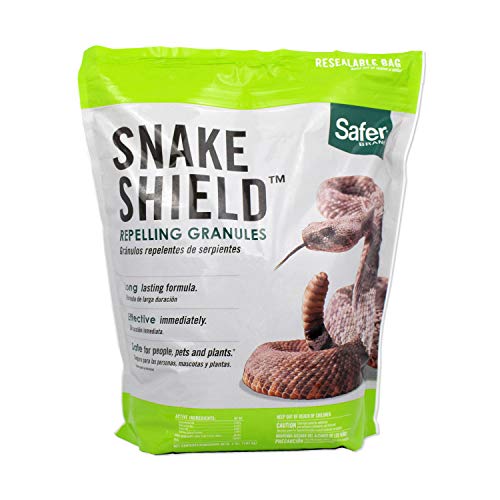
REPELS SNAKES OUTDOORS: Safer Brand Snake Shield granules begin working immediately to humanely repel venomous and non-venomous snakes, such as garter snakes or rattlesnakes
Do Fruit Trees Attract Snakes?
Fruit trees do not inherently attract snakes. However, they can attract small animals like rodents that feed on fallen fruit. Rodents provide a food source that snakes may seek out. If you notice an increase in small animals near your fruit trees, this could indirectly attract snakes to your yard.
Factors Influencing Snake Attraction
Several factors influence whether snakes are drawn to areas with fruit trees:
- Vegetation Density: Snakes enjoy hiding in dense vegetation. Thinning out overgrown areas around your trees limits potential hiding spots.
- Debris Accumulation: Leaf litter, logs, and rocks near fruit trees can offer cover. Regularly clearing debris helps reduce these safe havens for snakes.
- Availability of Food: If your garden has an abundance of small animals due to fallen fruit and other food sources, the likelihood of attracting snakes increases. Removing fallen fruit promptly prevents attracting rodents.
- Water Sources: If there are water sources nearby, snakes may visit for hydration. Keeping your garden free from standing water decreases the chance of attracting snakes.
- Temperature Regulation: Snakes prefer warm areas for basking. If your garden has sunny spots or heat-retaining surfaces, it could attract snakes seeking warmth.
By managing these factors, you create a less inviting environment for snakes, making your fruit trees a safer space to enjoy.
Common Types of Snakes Around Fruit Trees
Understanding the types of snakes that may inhabit areas near fruit trees helps you manage your garden effectively. Knowing the differences between venomous and non-venomous snakes provides valuable insight for garden safety.
Recommended Products
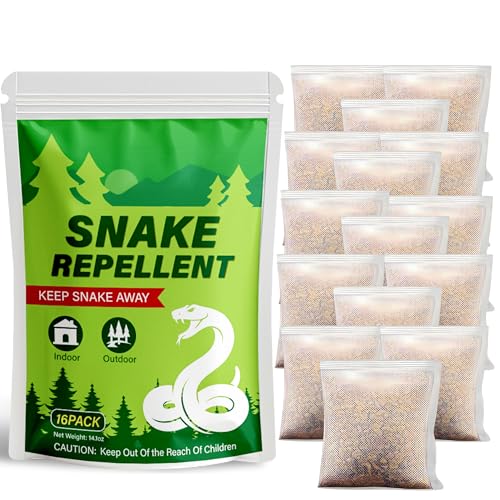
Powerful & Natural Snake Repellent: Formulated with a potent blend of garlic oil, peppermint oil, cinnamon oil, and castor oil, these pouches create a strong scent barrier that effectively drives snakes away—without harming them or your environment.

Powerful and Effective: Our moth balls for snakes emits a strong yet non-toxic scent to vigorously resist and repel various types of snakes, including rattlesnakes, copperheads, garden snakes, black snakes, indigo snakes, water snakes, cottonmouths, and green snakes, so you'll no longer be frightened by snakes.

NATURALLY STRONGER – This repellent contains powerful natural ingredients which specifically target the sensory organs of snakes – causing them discomfort and confusion, compelling them to leave and avoid treated areas
Venomous vs. Non-Venomous Snakes
- Identification: Venomous snakes often have triangular heads and slit-like pupils, while non-venomous snakes usually have narrower heads and round pupils.
- Behavior: Venomous snakes, like rattlesnakes and copperheads, may defend their territory aggressively. Non-venomous snakes, such as garter snakes and corn snakes, typically flee when approached.
- Safety: If you spot a snake, keeping a safe distance is essential. Most snake bites occur when people attempt to handle or provoke a snake. Familiarize yourself with local venomous species to enhance your awareness.
- About the Environment: Different regions host various snake species. Warmer climates can attract more snake activity due to the increased presence of food sources and suitable hiding spots.
- Examples: In the Southeastern US, you may encounter the eastern diamondback rattlesnake near fruit trees. In contrast, the western garter snake is common in the West and poses no threat.
- Local Research: Consult local wildlife guides or extension offices for detailed information about snake species in your area. Understanding your local snake population can help you take necessary precautions while enjoying your garden.
By being aware of snake types and their behavior, you can maintain a harmonious environment around your fruit trees.
Preventive Measures for Snake Encounters
To ensure a safe environment around your fruit trees, implement specific strategies that minimize snake encounters. Focus on effective landscaping and safe practices for homeowners.
Landscaping Tips
- Keep Grass Trimmed: Mow your lawn regularly to eliminate tall grass. Short grass reduces hiding spots for snakes.
- Clear Debris: Remove piles of leaves, rocks, and logs from your garden. These materials can provide cover and shelter for snakes.
- Create Barriers: Install physical barriers like fences, particularly around areas with fruit trees. Use a fence that’s at least 3 feet high and buried 6 inches deep to deter snakes effectively.
- Separate Plantings: Space fruit trees away from dense vegetation. Ensure clear paths between trees to deter potential snake pathways.
- Use Gravel or Mulch: Apply gravel or wood chips around the base of your trees. These materials can create an inhospitable area for snakes.
- Plant Snake-Repelling Flora: Consider planting herbs like lavender, marigold, or rosemary. Their scents can deter snakes from approaching.
- Educate Yourself: Learn about the local snake species. Familiarize yourself with their habits and identify potential threats.
- Dispose of Fallen Fruit: Regularly collect and clean up decaying fruit from the ground. This prevents attracting rodents, which in turn can attract snakes.
- Limit Water Sources: Ensure there are no stagnant water areas near your fruit trees, as these can attract small animals and snakes.
- Use Repellents: Apply commercially available snake repellents around the perimeter of your garden. These products can deter snakes through scents they find unpleasant.
- Practice Caution at Night: Be vigilant when working in your garden after dark. Use bright flashlights to spot any snakes before interacting with plants.
- Educate Family Members: Share information about snake safety with everyone in your household, especially children. Teach them how to react if they encounter a snake.
Conclusion
Creating a beautiful garden with fruit trees can be a rewarding experience. By understanding the factors that can attract snakes you can take simple steps to keep your space safe.
Staying proactive with landscaping and maintenance goes a long way in deterring these slithery visitors. Regularly clearing debris trimming grass and being mindful of nearby vegetation can help you enjoy your fruit trees without worry.
Remember to educate yourself about local snake species and their behaviors. With a little care and attention your garden can remain a welcoming haven for you and your family while minimizing the chances of an unwanted snake encounter. Happy gardening!
Frequently Asked Questions
Does planting fruit trees attract snakes?
Planting fruit trees does not directly attract snakes. However, the surrounding environment, such as dense vegetation and debris, can create a conducive habitat for them. Keeping your garden tidy minimizes hiding spots and the potential for snake visits.
What should I do to keep snakes away from my garden?
To deter snakes, maintain a clean garden by trimming grass, removing debris, and promptly cleaning up fallen fruit. Creating physical barriers like fences and planting snake-repelling plants can also help keep them at bay.
Can I identify if a snake is venomous?
Yes, many venomous snakes have distinct features. They often possess triangular heads and slit-like pupils. In contrast, non-venomous snakes typically have narrower heads and round pupils. Observing these traits can help identify snake species.
What attracts snakes to my yard?
Snakes are attracted to areas with hiding spots, like tall grass or piles of leaves. They also seek food sources, such as rodents. Keeping these factors in check can help minimize snake presence near your fruit trees.
Are there specific measures to take when gardening at night?
When gardening at night, it’s wise to use a flashlight and wear boots while making noise to alert any nearby snakes of your presence. Educating family members, especially children, about snake safety is also crucial for prevention.
