

Growing apple trees in Michigan requires specific techniques to ensure successful cultivation in the Great Lakes climate. Selecting the right varieties and understanding local soil conditions are crucial for thriving trees and abundant fruit production.
Best Apple Varieties for Michigan Climate
Selecting the right apple varieties is crucial for successful cultivation in Michigan’s unique climate. The state’s diverse weather conditions and soil types favor specific types of apples that thrive in this environment. Understanding which varieties perform best can significantly enhance both yield and fruit quality for local growers.
Choosing the right apple varieties is essential for success in Michigan’s diverse climate. The state experiences cold winters and warm summers, making it vital to select varieties that can withstand these conditions. Some recommended varieties include:
Honeycrisp: Known for its crisp texture and sweet flavor.
Fuji: Offers a sweet taste and excellent storage capabilities.
Granny Smith: A tart apple ideal for cooking and baking.
Gala: Sweet and aromatic, perfect for fresh eating.
These varieties are well-adapted to Michigan’s growing conditions and can thrive with proper care.
Michigan Apple Tree Soil Conditions
Understanding the soil conditions in Michigan is crucial for successfully growing apple trees in the region. The unique climate and geology of the Great Lakes area influence soil composition, drainage, and nutrient availability. This section delves into the specific soil requirements that can help ensure healthy apple tree growth and fruitful harvests.
Soil quality directly impacts the growth of apple trees. Michigan’s soil varies by region, so testing is crucial. Ideal soil conditions include:
Well-draining soil with a pH of 6.0 to 7.0.
Ample organic matter to retain moisture and nutrients.
Good aeration to promote healthy root development.
Conduct a soil test to determine nutrient levels and amend the soil accordingly. Adding compost or well-rotted manure can enhance soil quality and support tree health.
Apple Tree Planting Best Practices
Planting apple trees in Michigan requires careful attention to local conditions and best practices to ensure healthy growth and fruitful harvests. Understanding the specific needs of apple trees in this region, including soil type, spacing, and climate considerations, can significantly enhance their success. This section outlines essential strategies for planting apple trees effectively in Michigan’s unique environment.
Proper planting techniques are vital for establishing healthy apple trees. Follow these steps for successful planting:
Choose a location: Select a sunny spot with good air circulation.
Prepare the hole: Dig a hole twice as wide and as deep as the root ball.
Position the tree: Place the tree in the center, ensuring the graft union is above soil level.
Backfill the hole: Fill with soil, gently tamping down to eliminate air pockets.
Water thoroughly: Apply water immediately after planting to settle the soil.
Using these techniques will help ensure strong root establishment and growth.
Apple Tree Maintenance Schedule
Maintaining apple trees in Michigan requires a well-timed schedule to ensure healthy growth and fruitful harvests. From pruning to pest management, understanding the specific needs of your trees throughout the growing season is essential. This section outlines a comprehensive maintenance schedule tailored for the unique climate and conditions of the Great Lakes region.
Regular maintenance is key to healthy apple trees. Establish a care schedule that includes:
Watering: Deeply water during dry spells, especially in the first two years.
Fertilizing: Apply a balanced fertilizer in early spring.
Pruning: Conduct annual pruning to promote air circulation and remove dead or diseased branches.
Pest management: Monitor for common pests like aphids and codling moths, using organic methods when possible.
A consistent care schedule will support tree health and fruit production.
Recommended Products

Seal & Protect Tree Wounds Fast: Thick 2X concentrated formula designed to coat and seal cuts, cracks, and bark damage. This tree wound sealer supports natural healing by creating a durable moisture-resistant layer. Works as a reliable tree wound dressing for pruning, storm recovery, or grafting.

IDEAL BRANCH TRIMMER: Tree pruner that extends from 7.9 to 12 feet; Lightweight aluminum pole weighing less than five pounds to help minimize fatigue; Ideal for cutting high branches, or making low cuts without bending or kneeling
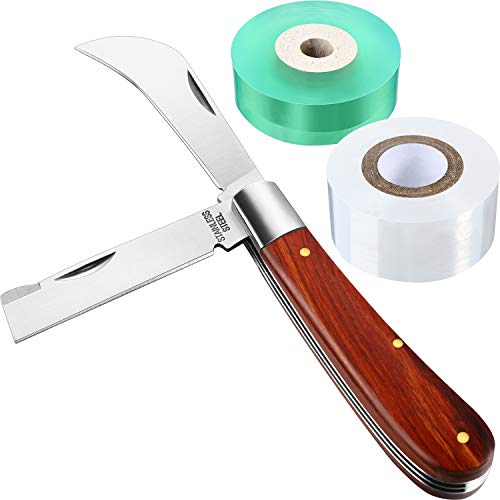
Package includes: you will get 1 double blades garden grafting knife and 2 rolls of grafting tapes in 2 sizes, ideal set for grafting budding, cutting, digging, sprouting, plants, weeding, cutting, sawing, etc.
Pest and Disease Management for Apple Trees
Effective pest and disease management is crucial for successful apple tree cultivation in Michigan’s unique climate. Understanding the common threats and implementing proactive strategies can significantly enhance the health and productivity of your apple trees. This section delves into practical approaches to safeguard your orchard from pests and diseases, ensuring a bountiful harvest.
Pest and disease management is essential for the success of apple trees. Common issues include:
Apple scab: A fungal disease that causes dark spots on leaves.
Cedar apple rust: A disease that requires both cedar and apple trees to complete its life cycle.
Codling moth: A pest that can damage fruit.
Implement preventive measures such as:
Regular inspections: Check trees weekly for signs of pests or diseases.
Organic treatments: Use neem oil or insecticidal soap for pest control.
Cultural practices: Maintain tree health through proper watering and fertilization.
Monitoring and addressing these issues promptly will help maintain a healthy orchard.
Seasonal Care Strategies for Apple Trees
Proper seasonal care is essential for cultivating healthy apple trees in Michigan’s unique climate. Understanding the specific needs of these trees throughout the year can significantly enhance fruit production and tree vitality. This section outlines effective strategies tailored to each season, ensuring your apple trees thrive in the Great Lakes region.
Seasonal care is crucial for maximizing the potential of apple trees. Consider the following tips for each season:
Spring: Focus on pruning and fertilizing to encourage growth.
Summer: Water regularly and monitor for pests.
Fall: Harvest apples and prepare trees for winter by mulching around the base.
Winter: Protect trees from harsh weather with wraps or barriers.
Following seasonal care tips will help ensure the longevity and productivity of your apple trees.
| Season | Key Activities | Focus Areas |
|---|---|---|
| Spring | Pruning, Fertilizing | Growth encouragement |
| Summer | Watering, Pest Monitoring | Health maintenance |
| Fall | Harvesting, Mulching | Winter preparation |
| Winter | Protection | Weather resilience |
Implementing these strategies will help you grow healthy apple trees in Michigan, ensuring a fruitful harvest year after year.
