

Using copper fungicide on tamarind trees effectively combats fungal infections and promotes healthy growth. This guide outlines the essential steps for application, safety measures, and maintenance practices to ensure your trees thrive.
Copper Fungicide Application Supply List
When applying copper fungicide to tamarind trees, having the right supplies is essential for effective treatment. This section outlines the necessary items you’ll need to ensure a successful application, helping you protect your trees from fungal infections and maintain their health. Proper preparation will enhance your efforts in managing and preventing disease.
Before applying copper fungicide, gather the necessary supplies to ensure an effective treatment process. Proper preparation minimizes risks and maximizes results.
Copper Fungicide: Choose a reliable brand formulated for fruit trees.
Sprayer: A backpack or handheld sprayer for even coverage.
Protective Gear: Gloves, goggles, and a mask to safeguard against chemical exposure.
Water Source: Clean water for mixing and rinsing equipment.
Measuring Tools: Accurate measuring cups for precise mixing.
Recommended Products
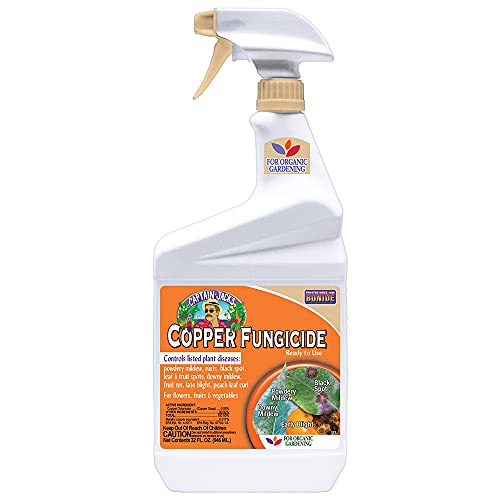
Control fungus and disease in your garden with Captain Jack’s ready-to-use Liquid Copper Fungicide!

Control fungus and disease in your garden with Captain Jack’s Liquid Copper Fungicide Concentrate!

Control fungus and disease in your garden with Captain Jack’s ready-to-spray Liquid Copper Fungicide!
Preparation Steps for Copper Fungicide Application
Applying copper fungicide effectively requires careful preparation to ensure the health of tamarind trees and maximize the treatment’s efficacy. Understanding the necessary steps, from timing to equipment selection, is crucial for both novice and experienced gardeners. This section outlines the essential preparation steps to achieve optimal results in your fungicide application.
Proper preparation is crucial for the safe and effective application of copper fungicide. Always read the label for specific instructions and safety precautions.
Wear protective gear to prevent skin and eye contact.
Ensure the area is well-ventilated.
Avoid applying during windy conditions to prevent drift.
Mix the fungicide according to the manufacturer’s instructions to achieve the correct concentration.
Copper Fungicide Application Schedule
Applying copper fungicide effectively is crucial for maintaining the health of tamarind trees. A well-structured application schedule not only prevents fungal diseases but also promotes vigorous growth and fruit production. Understanding the timing and frequency of applications will ensure optimal protection for your trees throughout the growing season.
Timing plays a significant role in the effectiveness of copper fungicide. Apply during specific growth stages for optimal results.
Pre-Bloom: Apply before flowering to protect buds.
Post-Bloom: Treat after flowering to combat any emerging fungal issues.
Frequency: Reapply every 7-14 days during wet conditions or as needed based on fungal pressure.
Copper Fungicide Application Techniques for Tamarind Trees
Effective application of copper fungicide is crucial for maintaining the health of tamarind trees, as it helps combat various fungal diseases. Understanding the right techniques ensures optimal coverage and absorption, maximizing the benefits of this treatment. This section delves into the best practices for applying copper fungicide to tamarind trees, providing essential insights for successful management.
Executing the application of copper fungicide requires attention to detail to ensure thorough coverage of the tamarind trees.
Mix Solution: Combine the fungicide with water according to the label instructions.
Fill Sprayer: Pour the mixed solution into the sprayer.
Spray Evenly: Start at the base of the tree and work upward, ensuring all leaves and branches are covered.
Avoid Runoff: Do not oversaturate to prevent runoff, which can harm surrounding plants.
| Step | Action | Notes |
|---|---|---|
| 1 | Mix Solution | Follow label instructions |
| 2 | Fill Sprayer | Ensure no leaks |
| 3 | Spray Evenly | Cover all surfaces |
| 4 | Avoid Runoff | Prevent chemical waste |
Recommended Products

DISEASE CONTROL: Disease & Fungus Control controls powdery mildew, rust, black spot, fruit rot, downy mildew, late blight, and other listed diseases

Control plant common plant diseases in your home garden with Copper Fungicide Spray or Dust from Bonide!

Control fungus and disease in your garden with Captain Jack’s ready-to-spray Liquid Copper Fungicide!
Fungal Infection Symptoms in Tamarind Trees
Fungal infections can significantly impact the health and productivity of tamarind trees. Recognizing the symptoms early is crucial for effective management and treatment. This section outlines the key signs to look for, enabling you to take prompt action to protect your trees from further damage.
Recognizing fungal infections early can save your tamarind trees from severe damage. Common symptoms include:
Leaf Spots: Dark spots on leaves indicate early fungal activity.
Wilting: Leaves wilting or curling can signal root or stem rot.
Mold Growth: Visible mold on branches or leaves is a clear sign of infection.
Post-Application Monitoring for Tamarind Health
After applying copper fungicide to tamarind trees, diligent monitoring is essential to ensure their health and vitality. This section outlines the key indicators to watch for, helping you assess the effectiveness of the treatment and identify any potential issues that may arise in the aftermath of application. Understanding these signs will support the long-term well-being of your tamarind trees.
After applying copper fungicide, monitor your tamarind trees for signs of improvement or further issues. Follow these care tips:
Watering: Maintain consistent moisture without overwatering.
Fertilization: Use a balanced fertilizer to support recovery.
Pruning: Remove any dead or infected branches to improve airflow.
Treatment Plan Adjustments for Tamarind Health
Maintaining the health of tamarind trees requires careful attention to treatment plans, especially when using copper fungicide. Adjustments may be necessary based on the specific conditions of your trees and the surrounding environment. This section outlines essential modifications to optimize the effectiveness of your fungicide application and ensure robust growth and vitality in your tamarind trees.
Monitoring the health of your tamarind trees is essential for long-term success. Adjust your treatment plan based on observed symptoms and environmental conditions.
Regular Inspections: Check for new signs of fungal infections weekly.
Adjust Frequency: Increase application frequency during high humidity or rainy periods.
Consult Experts: If issues persist, seek advice from a local agricultural extension office.
Recommended Products

Control diseases and insects in your garden with Captain Jack’s Fruit Tree Spray Concentrate! Use on a variety of listed fruits, nuts and citrus plants.

Neudorff Copper Fungicide Controls Listed Plant Diseases: Powdery Mildew, Rusts, Black Spot, Leaf & Fruit Spot, Downy Mildew, Fruit Rot, Late Blight, Peach Leaf Curl and Other Listed Diseases.

Protect your garden with Fruit Tree & Plant Guard Concentrate from Bonide! Fruit Tree & Plant Guard is effective in controlling a wide range of fungal diseases and insects.
Critical Warning for Copper Fungicide Use
When using copper fungicide on tamarind trees, it is essential to understand the potential risks and consequences. This section outlines critical warnings associated with its application, including the impact on tree health and environmental considerations. Proper knowledge and precautions can help ensure effective treatment while minimizing harm to the trees and surrounding ecosystem.
Avoid applying copper fungicide during fruit development to prevent chemical residues on the fruit. Follow manufacturer guidelines to ensure safe and effective use.
Copper Fungicide Application Strategies for Tamarind Trees
Effective application of copper fungicide is crucial for maintaining the health of tamarind trees, particularly in preventing and managing fungal infections. This section outlines strategic methods for applying copper fungicide, ensuring optimal coverage and absorption while minimizing potential harm to the trees and surrounding ecosystem. Understanding these techniques will enhance your overall maintenance practices for tamarind cultivation.
Using copper fungicide on tamarind trees requires careful planning and execution. By following these guidelines, you can protect your trees from fungal infections and promote robust growth.
