

Are you worried about your fruit trees getting too much water? It’s a common concern for many gardeners. You might have heard that overwatering can be just as harmful as underwatering, but how do you know when you’ve crossed that line?
Key Takeaways
- Overwatering can severely harm fruit trees, leading to issues like root rot, reduced fruit yield, and increased pest vulnerability.
- Key signs of overwatering include yellowing leaves, wilting despite excess moisture, consistently soggy soil, and premature leaf drop.
- Proper watering practices involve knowing the specific water needs of different tree species, as well as considering factors like soil type, climate, and tree age.
- Implement deep watering and mulch application to retain soil moisture while fostering healthy root growth and soil temperature regulation.
- Regular soil moisture monitoring is essential; adjust your watering schedule based on soil conditions and seasonal changes to prevent root stress.
- Clarifying myths about watering can improve tree care, as misconceptions like daily watering being necessary can lead to harmful practices.
Understanding Overwatering in Fruit Trees
Overwatering fruit trees is a common issue that can seriously harm their health. Recognizing the signs and understanding the effects of overwatering helps you maintain your trees’ vitality.
Recommended Products

Let our professionally formulated plant food help your fruit tree grow healthy, strong AND abundantly producing
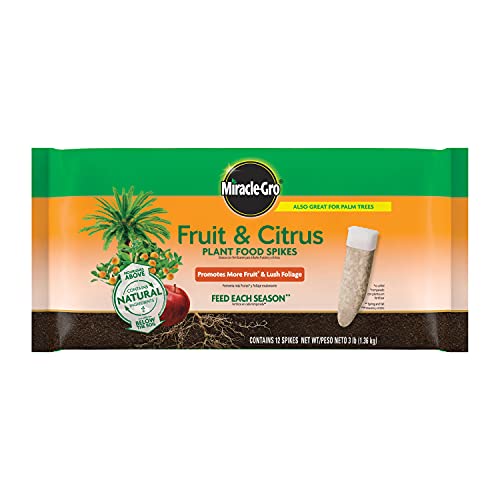
FORMULATED FOR CITRUS AND FRUIT TREES: Use these citrus fertilizer spikes on apple, orange, lemon, lime, and avocado trees; this formula is also great for feeding palm trees

CONCENTRATE INSECT KILLER - This pest control is great for use on aphids, flea beetles, leafhoppers, trips, whiteflies, Japanese beetles, mealy bugs and many more.
Signs of Overwatering
- Yellowing Leaves: Leaves that turn yellow often indicate excess moisture.
- Wilting: Paradoxically, overwatered trees may droop as roots struggle to absorb water effectively.
- Soggy Soil: Consistently moist soil that doesn’t drain well is a clear sign of overwatering.
- Root Rot Symptoms: Foul odors or dark brown roots suggest root rot, a serious consequence of overwatering.
- Leaf Drop: Premature leaf drop can signal stress caused by excessive water.
- Root Damage: Overwatering suffocates roots, leading to reduced nutrient absorption.
- Reduced Fruit Yield: Trees may produce fewer fruits, compromising your harvest.
- Increased Pest Vulnerability: Stressed trees become susceptible to pests and diseases.
- Fungal Growth: Excess water encourages harmful fungi that can invade roots and bark.
- Overall Weakness: Prolonged overwatering weakens the tree, making it less resilient to environmental stressors.
Monitoring soil moisture helps you maintain the right balance for optimal tree health. Adjust your watering habits based on weather conditions and tree needs.
Optimal Watering Practices for Fruit Trees
Maintaining the right watering schedule keeps your fruit trees healthy. Balance is key; understand what influences water needs and apply the best practices.
Recommended Products
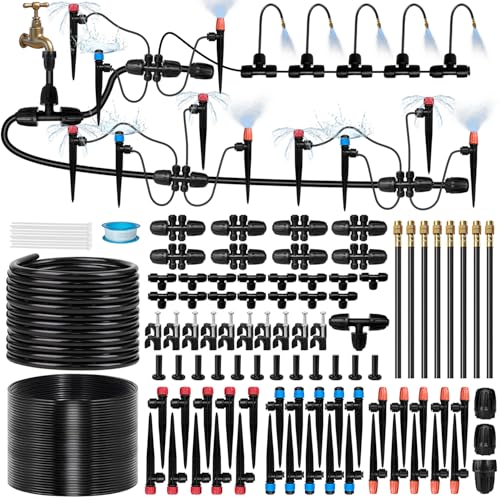
【Upgraded Tube Design & Water Saving】 Our garden watering system is upgraded to 1/2” diameter to support high water pressure. The 1/2” tee connector allows seamless splitting into 2 independent zones for customized watering schedules. By delivering moisture directly to root zones, this drip Irrigation system significantly reduces evaporation and runoff—saving more water compared to conventional sprinklers while eliminating the need for manual watering.
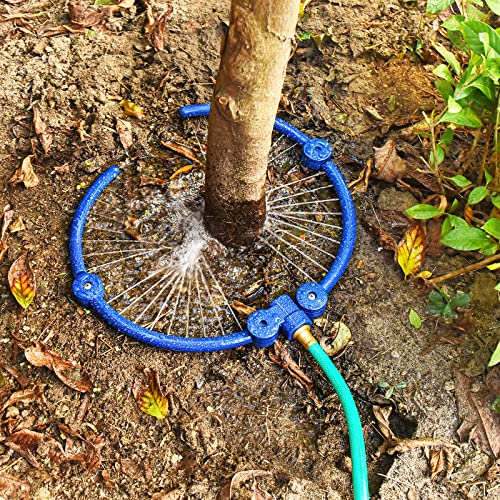
【Specially Designed for Trees and Shrubs】 The Watering Ring is a multi-purpose irrigation ring that attaches to a garden hose to efficiently water young trees shrubs vegetables or flower beds using drip or trickle irrigation.It directs water to the root perimeter of the plant to give them a good start during the first two growing seasons or through periods of drought.

SAVE TIME AND EFFORT: This plant watering kit has everything you need to get started with drip irrigation and precisely water up to ten individual plants. Use the kit to build, expand, or repair a drip irrigation system
Factors Influencing Water Needs
- Tree Species: Different fruit tree types require varying amounts of water. For example, apple trees prefer moist soil while citrus trees thrive in drier conditions.
- Soil Type: Sandy soils drain quicker than clay soils. For sandy soils, you might water more frequently, while clay retains moisture longer.
- Climate Conditions: Hot, dry climates increase water needs. Alternatively, cooler, humid climates may decrease the frequency of watering.
- Age of the Tree: Young trees need consistent moisture to establish roots. Mature trees can tolerate periods of dryness but still benefit from regular watering.
- Seasonal Changes: During the growing season, increased water supports fruit development. In the dormant season, reduce watering to prevent root rot.
- Deep Watering: Water trees deeply to encourage deep root growth. Aim for 12-18 inches of soil saturation.
- Watering Schedule: Water once a week, adjusting based on rainfall. In summer, you might need to increase frequency.
- Use Mulch: Apply a 2-3 inch layer of organic mulch around the base. Mulch retains moisture and regulates soil temperature.
- Drip Irrigation: Install a drip irrigation system for efficient watering. This targets the root zone directly, minimizing water waste.
- Check Soil Moisture: Use a moisture meter or your finger. Soil should feel moist but not soggy. Adjust watering based on these observations.
- Observe Tree Health: Look for signs of stress. If leaves turn yellow or droop, reassess your watering practice.
Common Misconceptions About Watering
Many myths exist about watering fruit trees. Understanding these misconceptions helps you care for your trees properly.
Myths vs. Facts
- Myth: Watering every day is necessary for fruit trees.
Fact: Most fruit trees thrive with weekly watering, depending on weather and soil conditions. - Myth: A wilted tree always indicates underwatering.
Fact: Wilting can also result from overwatering, leading to root stress. - Myth: More water yields more fruit.
Fact: Overwatering can cause root rot, reducing fruit production. - Myth: All fruit trees need the same amount of water.
Fact: Water requirements vary by species, age, and environmental factors.
Importance of Soil Drainage
Proper soil drainage is vital for healthy fruit trees. Poor drainage causes water to accumulate around roots, promoting rot.
- Check Drainage: Look for signs like puddling or clay soil. You can improve drainage by mixing in sand or compost to the soil.
- Choose the Right Location: Plant trees on elevated ground where water naturally flows away.
- Inspect Pots: For container-grown trees, ensure pots have drainage holes. This prevents water buildup and encourages healthy root systems.
Monitoring these aspects helps you prevent the negative impacts of overwatering and supports strong, fruitful trees.
Strategies to Prevent Overwatering
Preventing overwatering in fruit trees requires attention and specific practices to ensure healthy growth. Implementing effective strategies helps maintain optimal moisture levels in the soil.
Recommended Products

Accurate Soil Moisture Detection: The XLUX Soil Moisture Meter can tell you if the soil deep inside your pot or garden is dry, moist or wet; whereas your eyes and fingers can only determine the moisture level of the soil surface. The probe is 5.5 inches (14 cm) longer than regular styles, allowing it to measure the soil moisture at the bottom of larger and deeper flower pots.

Accurate Soil Moisture Detection: The XLUX Soil Moisture Meter can tell you if the soil deep inside your pot or garden is dry, moist or wet; whereas your eyes and fingers can only determine the moisture level of the soil surface. The probe is 5.5 inches (14 cm) longer than regular styles, allowing it to measure the soil moisture at the bottom of larger and deeper flower pots.

Kindly NOTE: This soil tester can not be applied to test pH value of any other liquid. If the soil is too dry the indicator will not move, and water it before testing.
Soil Testing and Monitoring
Conduct regular soil tests to determine moisture content and nutrient levels. Use a moisture meter or stick your finger about two inches into the soil to check if it’s dry or damp. Aim for a moisture level that’s comfortable for your tree species. For instance, apple trees prefer slightly moist soil, while citrus trees like it dryer.
Monitor the soil conditions frequently, especially after heavy rainfall. Adjust your watering practices based on these observations. If soil remains consistently wet, reduce watering frequency to prevent root rot.
Adjusting Watering Schedule
Establish a flexible watering schedule that adapts to changing weather conditions and your tree’s needs. During warmer months, increase watering frequency, but do so cautiously. For established trees, aim for deep watering once a week, allowing roots to access moisture deeply in the soil.
In cooler or rainy periods, scale back your watering. Always consider the specific requirements of your tree species. For example, young trees may need more frequent watering compared to mature ones. Adjustments based on seasonal changes and local climate can greatly enhance tree health and reduce overwatering risks.
Conclusion
Finding the right balance in watering your fruit trees is essential for their health and productivity. By keeping an eye on soil moisture and adjusting your watering habits according to the conditions, you can avoid the pitfalls of overwatering. Remember to look for signs of stress and be mindful of factors like tree age and climate.
With a little attention and care, you can help your trees thrive and enjoy a bountiful harvest. Happy gardening!
Frequently Asked Questions
What are the signs of overwatering fruit trees?
Overwatering can manifest in several signs: yellowing leaves, wilting, soggy soil, root rot symptoms, and premature leaf drop. If you notice these symptoms, it’s crucial to adjust your watering practices.
How does overwatering affect fruit trees?
Overwatering can damage roots, reduce fruit yield, and increase vulnerability to pests and fungal diseases. It can also weaken the tree overall, making it less resilient in adverse conditions.
What are the best practices for watering fruit trees?
To maintain healthy fruit trees, establish a watering schedule that aligns with your tree’s needs. Deep watering once a week during warm months, using mulch for moisture retention, and checking soil moisture levels are effective practices.
How often should I check soil moisture?
Regularly check soil moisture, especially during hot weather or after rainfall. Use a moisture meter or simply stick your finger into the soil to gauge dampness, ensuring you adjust watering accordingly.
Can I water my fruit trees daily?
Daily watering is not necessary for fruit trees. Overwatering can be just as harmful as underwatering, so it is essential to understand the moisture needs of your specific tree species.
What factors affect watering needs for fruit trees?
Factors influencing watering needs include tree species, soil type, climate conditions, tree age, and seasonal changes. It’s important to tailor watering practices to these variables for optimal health.
How can I prevent overwatering?
Prevent overwatering by conducting regular soil tests, monitoring moisture levels, and adjusting your flexible watering schedule based on changing conditions. Deep watering every week and observing tree health are also key strategies.
Why is proper soil drainage important?
Good soil drainage prevents root rot and promotes a healthy root system. Ensure your trees are planted in well-draining soil, or use containers with drainage holes to support healthy growth.
