

Have you ever wondered why your pomegranate tree isn’t producing as much fruit as you’d like? You’re not alone. Many gardeners face this challenge, and the secret often lies in proper pruning techniques.
Key Takeaways
- Understand Pruning Benefits: Pruning improves air circulation, increases sunlight exposure, strengthens tree structure, and enhances fruit quality.
- Prune at the Right Time: The best times to prune pomegranate trees are late winter (February-March) when dormant and right after harvest.
- Use Proper Tools: Essential tools for effective pruning include sharp pruning shears, loppers, a small saw, a tarp for cleanup, and protective gear like gloves and goggles.
- Follow a Step-by-Step Process: Assess tree health, start by removing dead wood, thin the canopy, prune for shape, and trim back new growth to encourage fruit production.
- Avoid Common Mistakes: Steer clear of over-pruning and neglecting tree health by evaluating your pomegranate tree for diseases or pests before pruning.
Understanding Pomegranate Trees
Pomegranate trees are deciduous shrubs that thrive in warm climates. Understanding their growth and development is crucial for effective pruning, which enhances fruit production.
Benefits of Pruning
Pruning pomegranate trees yields several key benefits.
- Improves air circulation: Removing crowded branches allows better airflow, reducing disease risks.
- Increases sunlight exposure: Light penetration helps the tree produce more flowers and fruit.
- Strengthens structure: Selective pruning removes weak or damaged branches, promoting a sturdy framework.
- Enhances fruit quality: Pruning encourages larger, healthier fruit by focusing the tree’s energy on fewer blossoms.
Ideal Pruning Times
Timing is essential for successful pruning.
- Late winter: Prune during late winter while the tree is dormant. This period typically falls between February and March.
- Post-harvest: Another option occurs right after the fruit harvest, allowing you to manage growth for the next season.
Understanding these aspects prepares you to prune effectively, leading to healthier pomegranate trees and a bountiful harvest.
Tools Needed for Pruning
Pruning a pomegranate tree requires the right tools to achieve effective results. Having essential tools ready not only makes the process easier but also ensures cleaner cuts, promoting tree health.
Recommended Products

High Efficiency Pomegranate Peeler 2 in 1: This silicone pomegranate peeler set includes a pomegranate peeler, and a silicone bowl, featuring a flower- shaped filter with a hollow design, this tool effectively sifts pomegranate skin with ease. Constructed from sturdy PP material, it boasts strong anti- impact properties and is a breeze to, the roomy 7.5x3.3-inch bowl provides plenty of room for deseeding, no more scattered seeds or sticky countertops.

★ 1. What you get: Professional convenient grafting tool set including a dual-use grafting pruner tool contain 2 extra replaceable blades, a wrench and a screwdriver, along with 36pcs wide rubber bands, 150 thick rubber bands and 1 grafting tape, packed in a black wallet to meet all your needs
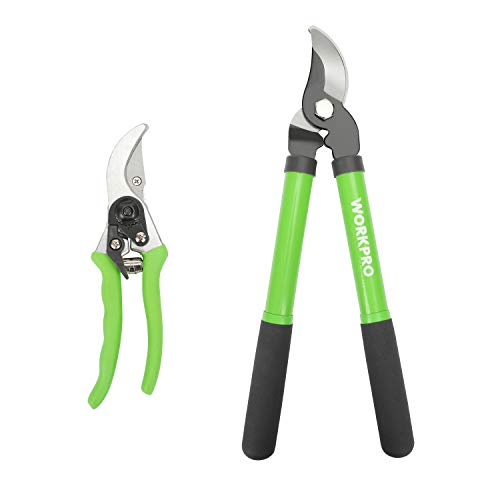
Ideal for pruning flowers and other garden plants
Essential Pruning Tools
- Pruning Shears: Use sharp, bypass pruning shears for small branches. They provide a clean cut, reducing damage to the plant.
- Loppers: For thicker branches, choose loppers with long handles. They offer greater leverage and make cutting easier.
- Saw: A small pruning saw is ideal for cutting larger branches. It handles tougher cuts and prevents excessive strain.
- Tarp or Drop Cloth: Lay a tarp beneath your tree. This catches debris and fallen branches, simplifying cleanup.
- Garden Gloves: Wear durable gloves to protect your hands from thorns and cuts. Look for gloves that offer flexibility and grip.
- Safety Goggles: Protect your eyes from flying debris while pruning. Goggles provide an essential safeguard against injury.
- Hard Hat: If working under a tree with potential falling branches, a hard hat ensures your head stays safe.
- Long Sleeves and Pants: Wear long-sleeved shirts and pants to shield your skin from scratches and punctures.
Equipping yourself with the right tools and safety gear ensures you can prune your pomegranate tree effectively. Prioritize safety and use quality equipment, leading to a fruitful harvest.
Step-by-Step Guide to Pruning a Pomegranate Tree
Pruning a pomegranate tree involves careful assessment and precise cuts to maximize fruit production. Follow these steps to ensure your tree thrives.
Assessing the Tree’s Structure
- Evaluate Health: Look for signs of disease or damage, such as discolored leaves or dead branches. Healthy trees show vibrant foliage.
- Identify Branches: Focus on the main trunk and primary branches. Strong, well-formed branches support better fruit yield.
- Check Growth Patterns: Note how the tree grows. Identifying crowded areas helps determine which branches to cut for improved air circulation.
Making the Right Cuts
- Start with Dead Wood: Remove any dead or diseased branches first. This prioritizes the tree’s health.
- Thin the Canopy: Cut back any branches that overlap or rub against each other. This promotes sunlight penetration and air flow.
- Prune for Shape: Aim for an open center. This encourages growth in a way that supports fruit-bearing branches.
- Trim Back New Growth: Cut one-third of the new growth annually. This focuses the tree’s energy on producing fruit instead of excess foliage.
- Gather Debris: Use a tarp to collect cut branches and leaves easily. This simplifies cleanup and prevents pests.
- Dispose Properly: Dispose of disease-ridden parts immediately to prevent contamination of other plants.
- Sanitize Tools: Clean your pruning tools with a solution of water and bleach. This maintains tool hygiene and protects other plants from disease transfer.
Following these steps helps ensure your pomegranate tree remains healthy and produces abundant fruit. Regular assessments and timely pruning keep your tree thriving.
Common Mistakes to Avoid
Pruning a pomegranate tree demands care and precision. Avoiding common mistakes can significantly improve your tree’s health and fruit production.
Recommended Products

CLEAN CUTS FOR LIVE GROWTH: Bypass blade design is ideal for pruning delicate flower stems and green growth, helping reduce crushing and plant damage while cutting stems and small branches up to 5/8” in diameter

What Makes VT-C800 Unique? Jam-Proof Sealed Spring | Ever-Sharp Dual-Coated SK5 Blades | Easy Thumb Lock | Backed by Lifetime Support

LONG-LASTING SHARPNESS: Japanese SK5 bypass blade with titanium coating is tested through 5,000 cuts to maintain a sharp edge and deliver clean, consistent cuts on live stems and branches
Over-Pruning
Over-pruning leads to substantial harm. Removing too many branches can reduce fruit yield. Aim for a balanced approach. Focus on pruning about 30% of the tree’s growth in a season. Remove weak or crowded branches while retaining strong and healthy ones. Cutting back just enough promotes healthy growth and maximizes fruit output.
Ignoring Tree Health
Ignoring the overall health of your tree can lead to issues. Check for signs of disease or pests before pruning. If the tree shows signs of stress or poor health, prioritize its recovery. Addressing underlying issues like nutrient deficiencies or pests will enhance resilience. A healthy tree responds better to pruning and produces more fruit. Always evaluate your pomegranate tree’s condition before diving into pruning.
Conclusion
Pruning your pomegranate tree is a rewarding task that can lead to a more fruitful harvest. By following the right techniques and timing you’ll set your tree up for success. Remember to take your time and assess the tree’s health before making any cuts.
With the proper tools and a little patience you can create a thriving environment for your pomegranate tree. Embrace the process and enjoy watching your tree flourish. Soon enough you’ll be reaping the benefits of your hard work with delicious pomegranates to savor. Happy pruning!
Frequently Asked Questions
Why is my pomegranate tree not producing fruit?
Pomegranate trees may not produce fruit due to factors like inadequate sunlight, poor soil quality, lack of water, or pests. Additionally, improper pruning can affect fruit yield. Ensuring the tree receives ample light, nutrients, and proper care is crucial for healthy production.
When is the best time to prune a pomegranate tree?
The ideal times to prune a pomegranate tree are late winter (February to March) and after the harvest. Pruning during these periods helps promote healthy growth and improves fruit yield by allowing better sunlight exposure and air circulation.
What are the benefits of pruning a pomegranate tree?
Pruning offers numerous benefits, including improved air circulation, increased sunlight exposure, a stronger tree structure, and enhanced fruit quality. These factors collectively contribute to healthier growth and a more abundant harvest.
How do I start pruning my pomegranate tree?
Begin by assessing the tree’s structure, including its health and growth patterns. Identify strong branches and make precise cuts, starting with removing dead wood, thinning the canopy, and shaping the tree to encourage an open center for sunlight penetration.
What tools do I need for pruning a pomegranate tree?
Essential tools for pruning include sharp bypass pruning shears, loppers, and a small pruning saw. Additionally, safety gear such as gloves, goggles, and a hard hat is recommended to protect yourself while working.
What common mistakes should I avoid when pruning?
Common mistakes include over-pruning, which can harm the tree and reduce yield. It’s advisable to prune about 30% of growth annually, focusing on weak or crowded branches while retaining healthy ones to maintain optimal tree health and fruit production.
How should I care for tools used in pruning?
To prevent disease transfer, it’s essential to sanitize pruning tools before and after use. Clean them with rubbing alcohol or a bleach solution, and ensure they are sharp to make clean cuts, aiding in faster healing for the tree.
