

Have you ever wondered if you can grow kiwi in Florida’s sunny climate? Picture this: you’re strolling through your backyard, envisioning a lush vine of fresh, juicy kiwis hanging within arm’s reach. The thought of growing your own tropical fruit right at home is not only exciting but also rewarding.
In this article, you’ll discover the possibilities of cultivating kiwi plants in Florida. From tips on selecting the right variety to insights on optimal growing conditions, you’ll learn how to turn your gardening dreams into reality. Whether you’re a seasoned gardener or just starting, exploring the world of growing kiwis in Florida can open up a whole new avenue of fresh, flavorful possibilities for you.
Key Takeaways
- Florida’s warm and sunny climate provides optimal conditions for growing kiwi plants.
- The state’s extended growing season allows for successful maturation and fruit production of kiwis.
- Various kiwi plant varieties are available for selection, catering to different preferences and climate adaptability.
- Growing kiwi at home in Florida offers benefits such as freshness, cost-effectiveness, and environmental sustainability.
- Tips for successful kiwi cultivation in Florida include planting in full sun, providing adequate water, and using trellises for support.
- Potential challenges in growing kiwi in Florida can be managed through proper watering, pest control, hand-pollination, weather protection, and soil quality maintenance.
Benefits of Growing Kiwi in Florida
When considering growing kiwi in Florida, you’ll find several benefits that make it a rewarding choice. Here are some advantages you can enjoy:
- Suitable Climate: Florida’s warm and sunny climate creates optimal conditions for kiwi cultivation. With the right care, kiwi plants thrive in the state’s tropical environment.
- Abundant Sunshine: Kiwi plants require ample sunlight for growth and fruit production. In Florida, you can take advantage of long sunny days to ensure your kiwis receive the sunlight they need.
- Long Growing Season: Florida’s extended growing season provides ample time for kiwi plants to mature and bear fruit. The longer growing window increases the chances of a successful harvest.
- Diversity of Varieties: You can choose from various kiwi plant varieties suited to Florida’s climate. Whether you prefer hardy kiwis or traditional fuzzy kiwis, there’s a wide selection available for you to experiment with.
- Homegrown Freshness: Growing kiwi in your Florida garden allows you to enjoy the freshness of homegrown fruit. Picking ripe kiwis straight from your backyard ensures optimal flavor and nutritional value.
- Cost-Effective: Producing your kiwis can be cost-effective in the long run. By growing your fruit, you save on purchasing from supermarkets and can have a bountiful supply right at home.
- Environmental Benefits: Cultivating kiwi plants at home contributes to a greener environment. You reduce the carbon footprint associated with transportation and packaging when you grow your fruit locally.
By leveraging these benefits, you can embark on a rewarding journey of growing kiwi in sunny Florida, creating a fruitful and sustainable addition to your garden.
Selecting the Right Kiwi Varieties for Florida
When choosing Kiwi plants for your Florida garden, it’s essential to select varieties that thrive in the warm climate and soil conditions of the region.
Recommended Products

MATURE SIZE & CARE GUIDE: The Prolific Hardy Kiwi Vine can reach 20-25 feet in length when fully matured, or 12 feet if grown in a container. Thrives in full sun to partial shade and requires well-drained soil with average watering needs. Cold tolerant to USDA Zone 4, making it ideal for colder climates.

These Vigorous plants are hardy to zone 5, easy to grow, and produce a whole lot of grape sized kiwi once they get going!

MATURE SIZE and CARE GUIDE: The self-fertile Issai Kiwi thrive in full to partial sun, needing 6-8 hours of direct sunlight daily. Plant in well-draining, loamy soil with a pH of 5.5-7.0. Ensure good drainage to prevent waterlogged roots. Keep soil consistently moist, but not waterlogged, for healthy root development. These steps lead to flourishing plants, yielding a bountiful harvest of delicious fruit. Expect mature lengths between 4-10 feet. Performs best in USDA Hardiness zones 5-8.
Common Kiwi Varieties for Florida Gardens
- Hardy Kiwi (Actinidia arguta):
- Hardy Kiwi, also known as Baby Kiwi, is well-suited for Florida’s climate.
- It is smaller than the traditional Kiwi and can withstand the heat better.
- Issai Kiwi (Actinidia arguta ‘Issai’):
- Issai Kiwi is a self-pollinating variety, making it an excellent choice for home gardens.
- It produces sweet, smooth-skinned fruit and is adaptable to various soil types.
Considerations for Choosing Kiwi Varieties
Climate Suitability:
- Ensure the Kiwi variety you choose can tolerate the warm and humid conditions of Florida.
Pollination Requirements:
- Some Kiwi varieties need cross-pollination for fruit production, while others are self-fertile.
Soil Preferences:
- Check if the Kiwi variety matches the soil quality and pH levels of your garden.
Tips for Successful Kiwi Cultivation in Florida
Plant in Full Sun:
- Kiwi plants thrive in full sunlight, so choose a location in your garden that receives ample sunshine.
Provide Adequate Water:
- Kiwis require regular watering, especially during the growing season, to ensure proper fruit development.
- Consider installing trellises or support structures for Kiwi vines to climb and grow efficiently.
Planting and Caring for Kiwi in Florida
When considering planting and caring for kiwi in Florida, you should follow specific guidelines tailored to the unique climate of the region. Here’s a concise guide to help you successfully grow kiwi plants in your Florida garden.
Selecting the Right Variety
When it comes to choosing kiwi varieties for your Florida garden, opt for those best suited to the warm climate. Varieties like Hardy Kiwi and Issai Kiwi are excellent choices due to their adaptability to Florida’s conditions. Hardy Kiwi, for example, thrives in zones 8-10, making it ideal for Florida’s climate zones.
Planting Properly
To ensure the successful growth of kiwi plants in Florida, it’s essential to plant them in full sun. Kiwis require ample sunlight for optimal growth and fruit production. Additionally, make sure to provide well-draining soil to prevent waterlogging, which can be detrimental to the plants.
Providing Adequate Water
Proper watering is crucial for kiwi plants, especially in Florida’s warm climate. During dry periods, ensure your kiwi plants receive sufficient water to support their growth and fruiting. A consistent watering schedule will help maintain healthy and productive kiwi vines.
Using Trellises for Support
Kiwi plants are vigorous climbers and require support to grow vertically. Using trellises or arbors not only helps kiwi vines reach their full potential but also makes harvesting easier. Install sturdy structures to support the weight of the vines and fruits as they mature.
Managing Pests and Diseases
Be vigilant about pest and disease management to protect your kiwi plants. In Florida, common pests like aphids and spider mites can pose a threat to kiwi vines. Regular monitoring and appropriate treatments, such as insecticidal soaps or neem oil, can help mitigate potential issues.
Pruning and Maintenance
Regular pruning is essential for kiwi plants to promote healthy growth and fruit development. In Florida, where the growing season is extended, proper maintenance throughout the year is crucial. Prune kiwi vines in late winter to encourage new growth and maximize fruit yield.
Dealing with Potential Challenges
When growing kiwi in Florida, you may encounter some challenges due to the unique climate and environmental conditions in the state. Here are tips to help you navigate and overcome these obstacles successfully:
**1. **While kiwi plants thrive in subtropical climates, they may struggle with Florida’s heat and humidity. Ensure your plants are adequately watered, especially during the hot summer months. Consider using mulch around the base of the plants to retain moisture and prevent the soil from drying out too quickly.
**2. **Pests and diseases can pose a threat to kiwi plants in Florida. Keep an eye out for common pests such as aphids, spider mites, and scale insects. Implement regular inspections and consider using organic pest control methods to protect your plants without harsh chemicals.
**3. **Kiwi plants in Florida may face challenges with pollination, as the state may lack the ideal conditions for natural pollinators like bees. To address this, you can hand-pollinate the flowers using a small brush to transfer pollen between male and female flowers. This manual pollination method can help ensure successful fruit set.
**4. **Florida’s unpredictable weather, including heavy rains and strong winds during hurricane season, can damage kiwi plants and affect fruit production. Protect your plants during severe weather by providing sturdy support structures like trellises or fences and securing the vines to prevent damage.
**5. **Soil quality and acidity levels can impact the growth of kiwi plants. Perform regular soil tests to monitor pH levels and nutrient content. Adjust the soil composition as needed by adding organic matter or fertilizer to create optimal growing conditions for your kiwi plants.
By acknowledging and addressing these potential challenges proactively, you can enhance the success of growing kiwi in your Florida garden. With proper care, attention to detail, and proactive problem-solving, you can enjoy the rewards of cultivating these tropical fruits in your home garden sustainably.
Recommended Products
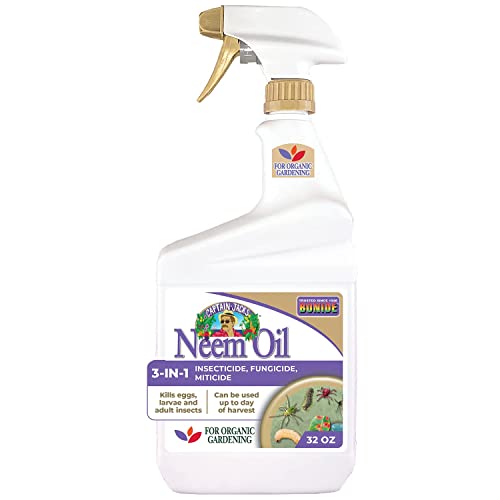
MULTI-PURPOSE BUG KILLER - Bonide Neem Oil is a perfect pest control solution for any garden dealing with mites, flies, mildew, and more. This product is a three-in-one fungicide, miticide, and insecticide.

Plant-Based Pest Protection: Helps protect plants from common pests including gnats, spider mites, aphids, fungus issues, and other plant-damaging insects using plant-based ingredients.
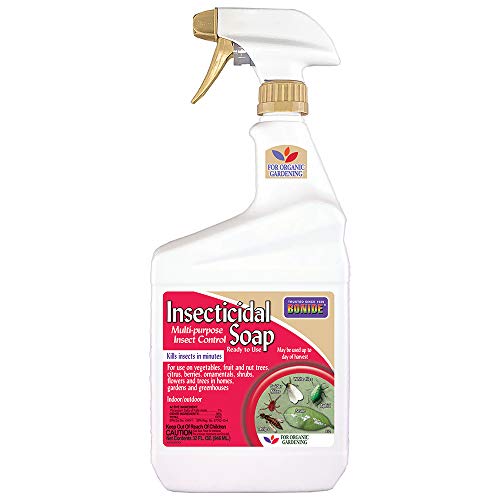
Captain Jack's Insecticidal Super Soap controls species of adelgid, ant, aphid, borer, caterpillar, spider mite, cricket, chinch bug, weevil, fly, thrip, and more
Conclusion
Growing kiwi in Florida can be a rewarding experience with the right knowledge and care. By choosing suitable kiwi varieties and implementing proper planting and maintenance techniques, you can overcome the challenges posed by the state’s climate. While issues such as heat, humidity, pests, and diseases may arise, proactive measures can help you successfully cultivate kiwi at home. Remember to provide adequate weather protection and ensure good soil quality to support the growth of your kiwi plants. With dedication and attention to detail, you can enjoy the sweet fruits of your labor in your Florida garden. Happy gardening!
Frequently Asked Questions
What are some suitable kiwi varieties for growing in Florida?
There are several suitable kiwi varieties for growing in Florida, including Hardy Kiwi and Issai Kiwi.
What are some key considerations for successful kiwi cultivation in Florida?
Successful kiwi cultivation in Florida requires attention to factors like planting, watering, pest management, and pruning techniques.
What challenges may arise when growing kiwi in Florida?
Challenges when growing kiwi in Florida may include issues with heat, humidity, pests, diseases, pollination, weather protection, and soil quality.
How can gardeners overcome obstacles when cultivating kiwi in Florida?
Gardeners can overcome obstacles in kiwi cultivation by implementing strategies like proper soil preparation, pest control measures, and weather protection.
