

Tamarind trees can grow in Los Angeles, CA, given the right conditions. Their adaptability to warm climates and drought tolerance make them suitable for this region, but specific care practices are essential for successful growth.
Tamarind Tree Growth Conditions in Los Angeles
Tamarind trees thrive in warm climates, making Los Angeles an intriguing location for their growth. Understanding the specific conditions required for these trees—such as soil type, temperature, and water needs—can help potential growers determine if they can successfully cultivate tamarind in the region. This section delves into the essential growth conditions for tamarind trees in Los Angeles.
Tamarind trees thrive in warm, tropical climates. In Los Angeles, the Mediterranean climate provides a suitable environment, but it is crucial to consider soil quality and sunlight exposure. These trees prefer well-draining soil and full sun for optimal growth.
Tamarind Soil Requirements for Healthy Growth
Understanding the soil requirements for tamarind trees is crucial for successful cultivation in Los Angeles. These trees thrive in specific soil conditions that support their growth, influencing factors such as drainage, pH levels, and nutrient availability. This section will delve into the ideal soil characteristics to ensure your tamarind tree flourishes in the local climate.
Soil plays a vital role in the health of tamarind trees. They require well-draining soil to prevent root rot, which can occur in heavy, clay soils. Here are key soil characteristics to consider:
pH Level: Aim for a pH between 6.0 and 7.5.
Organic Matter: Incorporate compost to improve soil texture.
Drainage: Ensure that the planting area allows excess water to drain away.
| Soil Characteristic | Ideal Range |
|---|---|
| pH Level | 6.0 – 7.5 |
| Organic Matter | 5-10% |
| Drainage | Well-draining |
Tamarind Tree Sunlight and Temperature Requirements
Tamarind trees thrive in warm, sunny environments, making them a potential fit for Los Angeles’ climate. Understanding their specific sunlight and temperature needs is crucial for successful growth in this region. This section delves into the optimal conditions required for tamarind trees to flourish in Southern California.
Tamarind trees require full sunlight for at least six hours a day. They are sensitive to frost and should be planted in locations that provide warmth. Here are some points to consider:
Temperature Tolerance: Ideal temperatures range from 70°F to 100°F.
Frost Protection: Use mulch or frost cloth during cold snaps.
Microclimates: Identify warmer areas in your yard to plant.
Irrigation Strategies for Tamarind Trees
Irrigation is crucial for the successful growth of tamarind trees, especially in the unique climate of Los Angeles. Understanding effective watering techniques can help ensure these trees thrive in a region that may not provide optimal natural rainfall. This section explores practical irrigation strategies tailored to the specific needs of tamarind trees in this environment.
Proper watering is crucial for tamarind tree establishment. Overwatering can lead to root issues, while underwatering can stress the tree. Here are effective watering strategies:
Initial Watering: Water deeply upon planting to establish roots.
Frequency: Water every 2-3 weeks during dry spells.
Irrigation Method: Use drip irrigation to provide consistent moisture.
Recommended Products
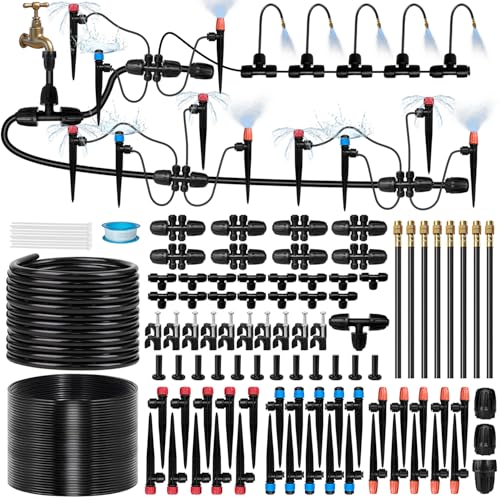
【Upgraded Tube Design & Water Saving】 Our garden watering system is upgraded to 1/2” diameter to support high water pressure. The 1/2” tee connector allows seamless splitting into 2 independent zones for customized watering schedules. By delivering moisture directly to root zones, this drip Irrigation system significantly reduces evaporation and runoff—saving more water compared to conventional sprinklers while eliminating the need for manual watering.

NO MORE HARD INSTALLATION - SET UP IN MINUTES. Tired of struggling with stiff barbed fittings? This drip irrigation system features quick-connect fittings that let you push, lock, and secure tubing effortlessly. No tools, no leaks, just a smooth setup experience. Enjoy a frustration-free installation and get your garden watering system running in minutes.
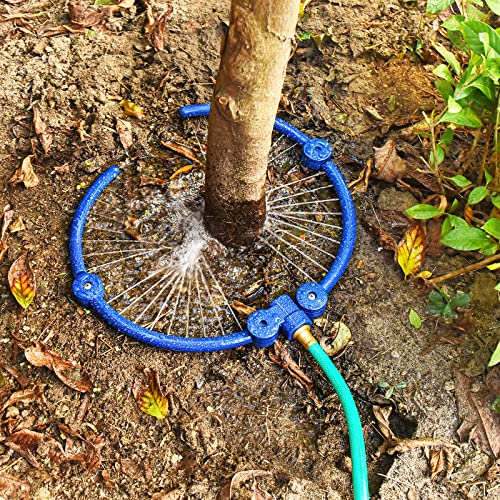
【Specially Designed for Trees and Shrubs】 The Watering Ring is a multi-purpose irrigation ring that attaches to a garden hose to efficiently water young trees shrubs vegetables or flower beds using drip or trickle irrigation.It directs water to the root perimeter of the plant to give them a good start during the first two growing seasons or through periods of drought.
Tamarind Tree Nutrient Requirements
Understanding the nutrient requirements of tamarind trees is essential for successful cultivation in Los Angeles. This section delves into the specific soil and nutrient needs these trees have to thrive in a climate that can be both challenging and rewarding for growers. By focusing on the right conditions, you can ensure healthy growth and fruitful yields.
Fertilization supports healthy growth and fruit production. Tamarind trees benefit from specific nutrients. Consider the following:
N-P-K Ratio: Use a balanced fertilizer with a ratio of 10-10-10.
Application Timing: Fertilize in early spring and late summer.
Organic Options: Consider using bone meal or fish emulsion.
Tamarind Tree Pest and Disease Control
Tamarind trees, while resilient, can face various pests and diseases that threaten their health and growth. Understanding these challenges is crucial for gardeners in Los Angeles, as effective control measures can help maintain vibrant and productive trees. This section delves into the common issues and offers practical solutions for keeping tamarind trees thriving in the region.
Tamarind trees can face various pests and diseases. Regular monitoring and preventive measures are essential. Here are common issues to watch for:
Pests: Aphids and scale insects can damage leaves.
Diseases: Root rot and leaf spot are common in poorly drained soils.
Prevention: Use neem oil or insecticidal soap to manage pests.
| Pest/Disease | Symptoms | Treatment |
|---|---|---|
| Aphids | Curling leaves | Neem oil |
| Scale Insects | Sticky residue | Insecticidal soap |
| Root Rot | Wilting | Improve drainage |
Recommended Products
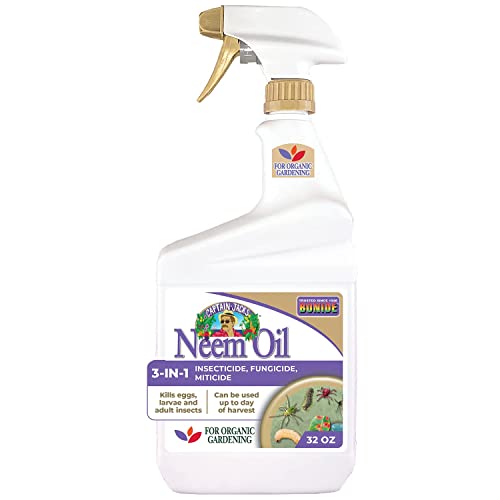
Protect your oasis with 3 garden products in 1 from Captain Jack’s; Bonide Captain Jack’s Ready-to-Use Neem Oil spray for plants is a multi-purpose fungicide, insecticide and miticide for your lawn & garden

FUNGAL DISEASE CONTROL: Prevents and controls black spot on roses, powdery mildew, rust, downy mildew, and other listed fungal diseases when applied on a 7–14 day schedule

PLANT DISEASE CONTROL: Natria Neem Oil acts as an insecticide and fungicide in one convenient spray; Ready-to-use trigger sprayer requires no mixing
Tamarind Tree Pruning Techniques for Growth
Pruning is essential for maintaining the health and shape of tamarind trees, especially in urban environments like Los Angeles. Proper techniques can enhance growth, improve fruit production, and ensure the tree thrives in its surroundings. Understanding these methods will help you cultivate a robust tamarind tree that flourishes in the local climate.
Regular pruning encourages healthy growth and enhances fruit production. Here are effective pruning strategies:
Timing: Prune in late winter before new growth starts.
Technique: Remove dead or crossing branches to improve air circulation.
Shape: Maintain a central leader for strong structure.
Recommended Products

DUAL CUTTING POWER: VERSATILE PRUNING COMBO --- With both Pruning Shears and Pruning Snip, this combo delivers unmatched versatility. Whether you're delicately trimming flowers and shrubs, tackling thicker tree branches, or tending to your vegetable and fruit garden, our combo pack excels in all areas. They're also perfect for landscaping projects and maintaining the health and appearance of indoor plants. With this pack, you have a versatile tool that simplifies your gardening tasks.

ULTRA SHARP - Much less effort to cut branches with our pruning shears. Crafted from premium SK5 steel with titanium coating, our garden scissors and garden clippers boast exceptional durability and sharpness. A perfect pruning shears for gardening and a must-have garden tool, hedge clippers pruners for gardening

AMBIDEXTROUS DESIGN: Pruner shape is designed for both right and left-handed use while pruning indoor & outdoor plants such as shrubs, ornamental trees, vines, & flowers like roses; SoftGrip handle reduces hand fatigue & enhances comfort and control
Optimal Tamarind Pod Harvesting Techniques
Harvesting tamarind pods at the right time and using effective techniques can significantly enhance the quality and yield of your crop. Understanding the optimal conditions for harvesting in Los Angeles will ensure you get the best flavor and texture from your tamarind trees. This section explores the best practices for harvesting to maximize your results.
Harvesting tamarind pods is a rewarding process. Knowing when and how to harvest ensures the best flavor. Consider these tips:
Timing: Harvest when pods turn brown and start to dry.
Technique: Twist and pull pods gently from the tree.
Storage: Store harvested pods in a cool, dry place.
Tamarind Tree Care for Los Angeles
Tamarind trees can thrive in the unique climate of Los Angeles, but they require specific care to flourish. Understanding the local conditions and best practices for watering, soil, and sunlight will help ensure these trees not only survive but also produce their delicious pods. Here’s a detailed look at how to care for tamarind trees in this vibrant city.
Tamarind trees can flourish in Los Angeles with the right care. Focus on soil quality, sunlight, and proper watering techniques to ensure healthy growth. Regular maintenance and pest management will help sustain the tree’s vitality.
