Close Menu
    Fruit Tree Hub
    • Home
    • Apple Trees
    • Lemon Trees
    • Mango Trees
    • Orange Trees
    • More Trees
      • Best Fruit Trees
      • Apricot Trees
      • Cherry Trees
      • Fig Trees
      • Lime Trees
      • Mulberry Trees
      • Peach Trees
      • Pear Trees
      • Plum Trees
      • Pomegranate Trees
    • Tips and Advice
      • Tools
    • About Us
      • Contact
      • Privacy Policy
    Fruit Tree Hub
    Home»Fruit Trees»Tamarind Trees»Can Tamarind Trees Be Grown in Pots
    Tamarind Trees

    Can Tamarind Trees Be Grown in Pots

    Lucy SmithBy Lucy SmithMarch 28, 20245 Mins Read
    Share Facebook Twitter Pinterest WhatsApp Email
    Share
    Facebook Twitter LinkedIn Pinterest Telegram Email

    Can tamarind trees really grow in pots?

    Contents show
    1 Key Takeaways
    2 Suitable Pot Size for Tamarind Trees
    3 Choosing the Right Soil for Potted Tamarind Trees
    4 Watering and Fertilizing Tamarind Trees in Pots
    5 Sunlight and Temperature Requirements for Potted Tamarind Trees
    6 Pruning and Maintenance of Tamarind Trees in Containers
    7 Conclusion

    It's a question that might surprise you with its answer.

    There are several important factors to consider when trying to grow a tamarind tree in a pot, from the size of the pot to the type of soil and the amount of sunlight it gets.

    Let's explore the secrets to successfully cultivating these tropical wonders in a confined space.

    Key Takeaways

    • Tamarind trees can be grown in pots with a minimum pot diameter of 24 inches and a depth of 18 inches.
    • It is important to provide adequate root development and ensure proper drainage to prevent waterlogging.
    • The soil should be well-draining with a pH level between 6.0 and 7.0, and a mix of garden soil, sand, and organic compost is recommended.
    • Tamarind trees in pots require regular watering, consistent sunlight for at least 6-8 hours a day, and protection from cold drafts and sudden temperature drops. Pruning is also necessary for healthy development and maintenance.

    Suitable Pot Size for Tamarind Trees

    What is the ideal pot size for growing tamarind trees?

    When it comes to growing tamarind trees in pots, it's crucial to consider the pot size to ensure proper root growth and container drainage. Tamarind trees have deep roots, so it's essential to select a pot that allows for adequate root development.

    MUST READ
    Where Tamarind Trees Fit in a Tropical Diet

    A pot with a diameter of at least 24 inches and a depth of 18 inches is suitable for accommodating the extensive root system of tamarind trees. Additionally, ensure that the pot has proper drainage holes to prevent waterlogging, which can lead to root rot.

    Good container drainage is essential for tamarind trees to thrive in pots, as it helps maintain a healthy root system by preventing water from stagnating at the bottom of the pot.

    Recommended Products

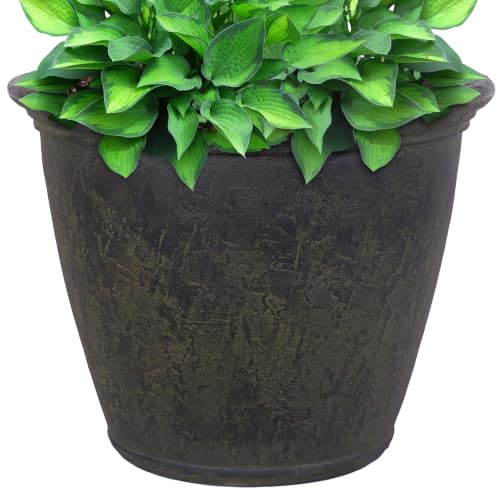
    Sunnydaze Anjelica 24'' Large Plastic Planter Pot for Plants, Slate
    Sunnydaze Anjelica 24'' Large Plastic Planter Pot for Plants, Slate

    AMPLE GROWING SPACE: This outdoor flowerpot has a 24" outer top diameter, 21" inner top diameter, 14.5" outer bottom diameter, 14" inner bottom diameter, 20" outer height, and 18" inner height. The planter weighs 6.4 lbs. It can hold 19 gallons/2.54 cubic feet/76 quarts. This large plant pot is great for growing plants and flowers both inside and outside.

    VIEW LATEST PRICE

    As an affiliate, we earn on qualifying purchases.

    RooTrimmer 3 Pack 20 Inch Large Plant Pots for Outdoor,Heavy Duty Extra Large Deep Garden Planter with Drainage Holes,Sturdy Textured Black Flower Pot for Trees,Shrubs,Patio,Lawn
    RooTrimmer 3 Pack 20 Inch Large Plant Pots for Outdoor,Heavy Duty Extra Large Deep Garden Planter with Drainage Holes,Sturdy Textured Black Flower Pot for Trees,Shrubs,Patio,Lawn

    【GENEROUS SIZE & DEEP DESIGN】 Give your plants the space they need to thrive! This extra-large planter measures 20" in top diameter and 14.5" in height, providing ample room for deep root development. Ideal for a variety of large plants like olive trees, citrus trees, hydrangeas, roses, bamboo, and many other shrubs or tall ornamental grasses.

    VIEW LATEST PRICE

    As an affiliate, we earn on qualifying purchases.

    15 Pack Black Deep Plant Nursery Pots with Drainage Holes, (5.3" Wx8.66 H)
    15 Pack Black Deep Plant Nursery Pots with Drainage Holes, (5.3" Wx8.66 H)

    15 Pack Value for Plant Lovers: Includes 15 deep planting containers to support multiple plants at once. A practical choice for propagation, transplanting, and seasonal gardening projects

    MUST READ
    Can Tamarind Trees Be Used in Traditional Medicine
    VIEW LATEST PRICE

    As an affiliate, we earn on qualifying purchases.

    Choosing the Right Soil for Potted Tamarind Trees

    To ensure the optimal growth of your potted tamarind trees, selecting the appropriate soil is crucial for their overall health and development. When choosing soil for your potted tamarind trees, keep in mind the following:

    • Container Gardening: Opt for a well-draining container with a depth of at least 24 inches to provide ample space for the tamarind tree's root system. Use a container with drainage holes to prevent waterlogging, which can lead to root rot. Consider a lightweight container, as tamarind trees can become heavy once established.
    • Soil Composition: Use a well-draining potting mix with a pH level between 6.0 and 7.0, ideally consisting of equal parts of garden soil, sand, and organic compost. Avoid heavy clay soils, as they can hinder root growth and drainage. Consider adding perlite or peat moss to improve soil aeration and moisture retention.

    Recommended Products

    3QT Potting Soil Mix for Indoor Plants - Contains Perlite, Peat Moss, Coco Coir & Rice Charcoal, Natural & Organic Material with Well-Draining, Light & Aerated Texture for Healthy Roots & Fast Growth
    3QT Potting Soil Mix for Indoor Plants - Contains Perlite, Peat Moss, Coco Coir & Rice Charcoal, Natural & Organic Material with Well-Draining, Light & Aerated Texture for Healthy Roots & Fast Growth

    Five High-Quality Ingredients: A premium potting mix comprises a balanced blend of organic and inorganic materials. The components include 55% coconut coir fiber, 12% peat moss, 11% perlite, 11% vermiculite, and 11% rice hull charcoal. The scientifically balanced nutrition caters to the unique requirements of different plant types, promoting optimal plant growth.

    VIEW LATEST PRICE

    As an affiliate, we earn on qualifying purchases.

    MUST READ
    Creating a Wildlife Habitat With Tamarind Trees
    Coast of Maine Organic & Natural Bar Harbor Blend Potting Soil - Organic Soil w/Perlite for Enhanced Drainage & Aeration - for Flowers, Herbs & Veggies, Floral Baskets & Container Gardening (16 Qt)
    Coast of Maine Organic & Natural Bar Harbor Blend Potting Soil - Organic Soil w/Perlite for Enhanced Drainage & Aeration - for Flowers, Herbs & Veggies, Floral Baskets & Container Gardening (16 Qt)

    PREMIUM INGREDIENTS: Formulated with sphagnum peat moss, compost, perlite, lobster and crab shell meal, and kelp meal, this high-quality, multipurpose organic potting soil provides essential nutrients for healthy plant growth. Specifically formulated to encourage root development and sustained plant growth, promoting healthy, vibrant plants throughout their lifecycle.

    VIEW LATEST PRICE

    As an affiliate, we earn on qualifying purchases.

    Premium Potting Soil Mix with Peat Moss, Vermiculite, Perlite (Made in USA) (4 Dry Quarts)
    Premium Potting Soil Mix with Peat Moss, Vermiculite, Perlite (Made in USA) (4 Dry Quarts)

    READY TO USE MIXTURE - The same formulation as used by professional growers

    VIEW LATEST PRICE

    As an affiliate, we earn on qualifying purchases.

    Watering and Fertilizing Tamarind Trees in Pots

    When cultivating tamarind trees in pots, it's essential to establish a consistent watering and fertilizing routine to support their healthy growth. Container gardening requires careful attention to watering techniques for indoor tamarind trees.

    To maintain optimal moisture levels, water the tamarind tree when the top inch of the soil feels dry. Ensure that the pot has drainage holes to prevent waterlogging, which can lead to root rot.

    During the growing season, fertilize the tamarind tree every 4-6 weeks with a balanced fertilizer to provide essential nutrients. Adjust the frequency based on the tree's response, and always follow the fertilizer's instructions.

    Recommended Products

    Lemon Tree Fertilizer – Liquid Plant Food for Healthy Growth & Blooms, 8 oz
    Lemon Tree Fertilizer – Liquid Plant Food for Healthy Growth & Blooms, 8 oz

    Made for Lemon & Citrus Trees – Formulated to support healthy growth in lemon and citrus plants.

    MUST READ
    How to Choose the Right Tamarind Tree Variety
    VIEW LATEST PRICE

    As an affiliate, we earn on qualifying purchases.

    Lemon Tree Fertilizer – Liquid Plant Food for Healthy Growth & Blooms, 32oz
    Lemon Tree Fertilizer – Liquid Plant Food for Healthy Growth & Blooms, 32oz

    Made for Lemon & Citrus Trees – Formulated to support healthy growth in lemon and citrus plants.

    VIEW LATEST PRICE

    As an affiliate, we earn on qualifying purchases.

    Olive Tree Fertilizer – Fruit Tree Fertilizer for Olive Tree, Citrus, Lemon, Lime, Fig, Avocado, Mango, Apple & Pomegranate – for Potted & Outdoor Trees (8 oz - 1/2 lbs.)
    Olive Tree Fertilizer – Fruit Tree Fertilizer for Olive Tree, Citrus, Lemon, Lime, Fig, Avocado, Mango, Apple & Pomegranate – for Potted & Outdoor Trees (8 oz - 1/2 lbs.)

    🌳Olive & Fruit Trees: 6-4-6 fertilizer for fruit trees—ideal olive tree fertilizer for potted & outdoor trees; supports healthy growth and fruiting.

    VIEW LATEST PRICE

    As an affiliate, we earn on qualifying purchases.

    Sunlight and Temperature Requirements for Potted Tamarind Trees

    For thriving potted tamarind trees, ensure they receive ample sunlight and are kept in a consistently warm environment to encourage healthy growth and fruit production. When considering sunlight and temperature requirements for potted tamarind trees, keep the following in mind:

    • Sunlight: Place your potted tamarind tree in a spot that receives at least 6-8 hours of direct sunlight daily. Consider placing it near a south-facing window if you're doing indoor tamarind cultivation.
    • Temperature: Maintain a warm environment with temperatures between 77-95°F (25-35°C) for optimal growth. Protect the tree from cold drafts and sudden temperature drops, especially during winter months if you're engaging in container gardening.

    Pruning and Maintenance of Tamarind Trees in Containers

    Considering the compact growth habit of tamarind trees in containers, regular pruning and maintenance are essential for promoting healthy development and managing the tree's size and shape. When pruning your tamarind tree, focus on removing dead or overcrowded branches to improve air circulation and sunlight penetration. Use clean, sharp pruning shears to make precise cuts at a 45-degree angle.

    MUST READ
    How to Encourage Tamarind Trees to Bear Fruit

    Additionally, be mindful of the roots when maintaining your tamarind tree in a container. Avoid disturbing the roots excessively, and use a well-draining potting mix to prevent waterlogging. Regularly check for any signs of root binding and consider repotting when the roots outgrow the current container.

    Conclusion

    In the right conditions, tamarind trees can thrive in pots, offering the joy of homegrown fruit. By providing proper care and attention, you can enjoy the rewards of nurturing a tamarind tree in a container.

    So, whether you have limited space or simply prefer the convenience of container gardening, growing tamarind trees in pots is a rewarding and achievable endeavor.

    Happy gardening!

    Share. Facebook Twitter Pinterest LinkedIn Tumblr Email
    lucy smith
    Lucy Smith
    • Website

    Lucy Smith is a highly experienced horticulturist with a passion for fruit tree cultivation. She holds a degree in Horticulture from the University of California, Davis, and has worked in various roles in the industry. With over 10 years of experience, Lucy is dedicated to using eco-friendly methods for sustainable gardening practices.

    Related Posts

    How to Identify Different Tamarind Tree Varieties

    March 30, 2024

    Why Do Tamarind Trees Have Long Seed Pods

    March 30, 2024

    Can Tamarind Trees Grow in Cold Climates

    March 30, 2024

    The Best Soil Conditions for Tamarind Trees

    March 30, 2024

    How to Properly Water Tamarind Trees

    March 30, 2024

    Are Tamarind Trees Suitable for Small Gardens

    March 30, 2024
    Leave A Reply Cancel Reply

    Affiliate Disclosure

    As an Amazon Associate I earn from qualifying purchases.

    Recommended Reading

    Does a Tree Bear or Bare Fruit: Understanding the Difference for Better Gardening Practices

    How to Grow a Nectarine Tree Indoors: Tips for Pesticide-Free Fruit Success

    How to Prepare Quince Trees for Winter

    Mango Trees in a Pot in Wyoming (Protecting Potted Tropicals)

    Essential Steps to Master Tree Pruner Assembly for Effective Results

    Companion Planting Watermelon and Cantaloupe: Tips for Successful Intercropping

    How Long Does Lemon Tree Take to Bear Fruit: Key Factors for Faster Growth and Harvest

    How to Help Avocado Tree Fruit: Tips for Thriving Growth and Bountiful Harvests

    Almond Trees in Florida: Managing Humidity for Success

    Can Quince Trees Grow in Massachusetts? 2026 Updated Guide

    Fruit Tree Hub

    Fruit Tree Hub is a website dedicated to providing you everything you need to grow fruit trees successfully at in your own yard.

    Contact us at: [email protected]

    - AFFILIATE DISCLOSURE: As an Amazon Associate I earn from qualifying purchases.

    Latest Posts

    Can Olive Trees Grow in New Jersey? Garden State Growth Tips

    Can Star Fruit Trees Grow in Missouri? Expert Variety Guide

    How to Grow Jujube Trees in Las Vegas, NV: Desert Growth

    Mango Trees in Illinois: Indoor and Greenhouse Growth Secrets

    Growing Papaya Trees in Oklahoma: High Heat Resilience

    Tamarind Trees in a Pot in Ohio (Complete Maintenance Manual)

    Can Fig Trees Grow in Long Beach, CA? Coastal Salt Tips

    Plum Trees in District of Columbia (Urban Microclimate Tips)

    Categories
    • Almond Trees
    • Apple Trees
    • Apricot Trees
    • Best Fruit Trees
    • Blackberry
    • Cantaloupe
    • Cherry Trees
    • Crochet Ideas
    • Crochet Ideas for Beginners
    • Cucamelon
    • Easy Crochet Ideas
    • Easy Knitting Projects
    • Fig Trees
    • Grapefruit Trees
    • Grapes
    • Guava Trees
    • Honeydew
    • Jujube Trees
    • Kiwi
    • Knitting For Beginners
    • Knitting Ideas
    • Knitting Inspiration
    • Lemon Trees
    • Lime Trees
    • Loquat Trees
    • Mango Trees
    • Mulberry Trees
    • Nectarine Trees
    • Olive Trees
    • Orange Trees
    • Papaya Trees
    • Peach Trees
    • Pear Trees
    • Persimmon Trees
    • Planting
    • Plum Trees
    • Pomegranate Trees
    • Quince Trees
    • Raspberry
    • Reviews
    • Small Crochet Ideas
    • Star Fruit Trees
    • Summer Crochet Ideas
    • Tamarind Trees
    • Tangerine Trees
    • Tips and Advice
    • Tools
    • Uncategorized
    • Walnut Trees
    © 2026 Fruit Tree Hub
    • Home
    • About Us
    • Contact
    • Privacy Policy
    • Terms and Conditions
    • Disclaimer
    • Editorial Policy
    • Affiliate Disclosure

    Type above and press Enter to search. Press Esc to cancel.