

Quince trees can grow in Idaho, particularly if you choose cold-hardy varieties suited for the region’s climate. Selecting the right cultivar and understanding local conditions will enhance your success in cultivating these fruit-bearing trees.
Idaho Climate Impact on Quince Growth
Idaho experiences a range of temperatures and weather conditions, which can impact the growth of quince trees. The state has cold winters and warm summers, making it essential to select varieties that can withstand frost and temperature fluctuations. Quince trees thrive in USDA hardiness zones 5 to 9, with some varieties tolerating even colder conditions.
When planting quince trees, consider the following factors:
Frost Dates: Know the last frost date in spring and the first frost date in fall.
Soil Type: Quince trees prefer well-draining, loamy soil.
Sun Exposure: Aim for a location that receives full sun for optimal fruit production.
Top Cold-Hardy Quince Cultivars for Idaho
Idaho’s unique climate presents both challenges and opportunities for growing quince trees. Selecting the right cold-hardy cultivars can significantly enhance your chances of success. This section explores the top quince varieties that thrive in Idaho, offering insights into their resilience and suitability for local conditions.
Selecting the right variety is crucial for successful growth in Idaho. Certain cultivars are known for their cold hardiness and adaptability to cooler climates. Here are some recommended varieties:
| Variety Name | Cold Hardiness | Flavor Profile | Maturity Time |
|---|---|---|---|
| Smyrna | Zone 5 | Sweet | 3 years |
| Pineapple | Zone 5 | Aromatic | 2-3 years |
| Pineapple | Zone 5 | Sweet-Tart | 3-4 years |
| Orange | Zone 4 | Tart | 2-3 years |
These varieties not only withstand colder temperatures but also offer unique flavors that can enhance your culinary options.
Soil Mix Guidelines for Quince Trees
When cultivating quince trees in Idaho, selecting the right soil mix is crucial for their growth and fruit production. The unique climate and soil conditions in the region require specific amendments to ensure optimal health and yield. Understanding these soil mix guidelines will help you create the perfect environment for your quince trees to thrive.
Proper soil preparation is essential for healthy quince trees. A well-draining soil mix encourages root development and prevents diseases. Follow these steps for optimal soil conditions:
Test Soil pH: Aim for a pH between 6.0 and 7.0.
Add Organic Matter: Incorporate compost or well-rotted manure to improve soil fertility.
Ensure Drainage: If the soil retains water, consider raised beds to enhance drainage.
Soil Quality Enhancements for Quince Trees
To successfully cultivate quince trees in Idaho, understanding and improving soil quality is essential. The right soil conditions not only support healthy growth but also enhance fruit production. This section explores effective strategies for enhancing soil quality specifically tailored for quince trees in the unique climate of Idaho.
Use the following amendments to improve soil quality:
| Amendment | Purpose |
|---|---|
| Compost | Nutrient enrichment |
| Perlite | Improved drainage |
| Gypsum | Soil structure improvement |
Establishment Phase Watering for Quince Trees
Successfully establishing quince trees in Idaho requires careful attention to watering during their initial growth phase. Proper hydration is crucial for young trees to develop strong roots and adapt to the local climate. Understanding the specific watering needs during this establishment phase can significantly impact their long-term health and productivity.
Watering is critical during the establishment phase of quince trees. Proper moisture levels ensure healthy growth and fruit production. Here are effective watering techniques:
Deep Watering: Water deeply to encourage root development.
Mulching: Apply mulch around the base to retain moisture and suppress weeds.
Monitor Soil Moisture: Check soil moisture regularly to avoid overwatering.
Recommended Products

Accurate Soil Moisture Detection: The XLUX Soil Moisture Meter can tell you if the soil deep inside your pot or garden is dry, moist or wet; whereas your eyes and fingers can only determine the moisture level of the soil surface. The probe is 5.5 inches (14 cm) longer than regular styles, allowing it to measure the soil moisture at the bottom of larger and deeper flower pots.
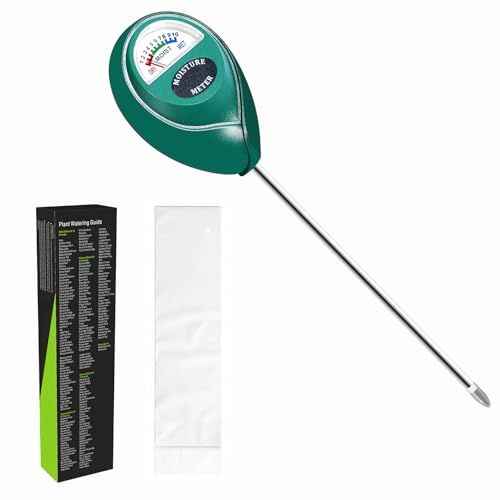
Trusted Since 2015: Become one of the many plant lovers who rely on the proven accuracy of XLUX. Established in 2015, our soil moisture meter has earned over 60,000+ verified ratings for its consistent performance. While many many newer brands come and go, we provide the long-term reliability and quality that American households have trusted for over a decade.

✔️Accurate - A helpful tool of water meter for indoor plants which senses the moisture in the soil around plants. No more guess if the plant needs more or less water
Quince Tree Watering Guidelines
Understanding the watering needs of quince trees is crucial for their successful growth, especially in Idaho’s unique climate. Proper irrigation practices can help these cold-hardy varieties thrive, ensuring they receive the right amount of moisture without the risk of overwatering. This section outlines essential guidelines to maintain optimal hydration for your quince trees.
Follow this watering schedule for optimal results:
| Season | Frequency |
|---|---|
| Spring | Once a week |
| Summer | Twice a week |
| Fall | Once every two weeks |
Quince Tree Pest and Disease Solutions
Quince trees, while hardy, can face various pests and diseases that threaten their growth and fruit production. Understanding these challenges is essential for gardeners in Idaho who wish to cultivate healthy quince trees. This section explores effective solutions to common pest and disease issues, ensuring a thriving quince orchard in colder climates.
Pest and disease management is crucial for maintaining healthy quince trees. Common issues include aphids, fire blight, and powdery mildew. Implement these strategies to manage potential threats:
Regular Inspections: Check for signs of pests or disease weekly.
Natural Predators: Encourage beneficial insects like ladybugs to control aphid populations.
Fungicide Application: Use organic fungicides to prevent powdery mildew.
Recommended Products

TREATS AND CONTROLS PLANT DISEASE - Maintain the health of your plants with Earth’s Ally fungicide spray. Tackle common plant diseases including powdery mildew, downy mildew, blight, canker, black spot and leaf spot. Also functions as a complete fungicide, giving your plants all-in-one disease protection.

Control and prevent common garden diseases with Sulfur Plant Fungicide Micronized Spray or Dust from Bonide!

🌿 Controls Common Fungal & Bacterial Diseases Defend your plants from powdery mildew, botrytis, anthracnose, and more. Works on contact to stop foliar plant diseases before they spread.
Quince Tree Pests and Disease Management
Quince trees, while resilient, can face challenges from various pests and diseases, especially in Idaho’s unique climate. Understanding how to identify and manage these threats is crucial for successful cultivation. This section delves into effective strategies for protecting quince trees from common pests and diseases, ensuring a healthy and fruitful harvest.
Here is a summary of common pests and diseases affecting quince trees:
| Pest/Disease | Symptoms | Control Method |
|---|---|---|
| Aphids | Curling leaves | Insecticidal soap |
| Fire Blight | Wilting branches | Prune infected areas |
| Powdery Mildew | White powdery spots | Organic fungicides |
Quince Harvest Timing and Techniques
Understanding the timing and techniques for harvesting quince is crucial for maximizing fruit quality and yield. In Idaho’s unique climate, knowing when to pick and how to handle the fruit can significantly impact the overall success of your quince cultivation. This section delves into the best practices for harvesting quince to ensure a bountiful and flavorful crop.
Harvesting quince requires careful timing and technique to ensure fruit quality. Quince is typically harvested in late fall when the fruit turns a golden-yellow color. Follow these steps for effective harvesting:
Check Firmness: Gently squeeze the fruit; it should be firm but slightly yielding.
Use Pruning Shears: Cut the fruit from the tree, leaving a small stem attached.
Handle with Care: Quince is delicate; avoid bruising the fruit during handling.
Quince Storage Conditions for Optimal Freshness
Understanding the ideal storage conditions for quince is essential to maintain their freshness and flavor, especially in regions like Idaho where temperature fluctuations can be significant. Proper storage techniques can extend the shelf life of these unique fruits, ensuring they remain delicious and nutritious for as long as possible. This section delves into the best practices for storing quince effectively.
Store harvested quince in a cool, dry place. Ideal storage conditions prolong shelf life and maintain flavor.
| Storage Method | Temperature Range | Duration |
|---|---|---|
| Room Temperature | 60-70°F | 1-2 weeks |
| Refrigeration | 32-40°F | 1-2 months |
Quince trees can thrive in Idaho with the right variety selection and care. By understanding local conditions, preparing soil, and managing pests, you can successfully cultivate these unique fruit trees.
