

Growing orange trees in South Carolina can yield a bountiful harvest if done correctly. Selecting the right varieties and understanding local climate conditions are essential for success in this endeavor.
Optimal Orange Varieties for South Carolina
When cultivating orange trees in South Carolina, selecting the right varieties is crucial for a successful harvest. The unique climate and soil conditions of the region favor certain types of oranges, which thrive and produce fruit more effectively. This section explores the optimal orange varieties that can flourish in South Carolina’s environment, ensuring a bountiful yield.
Choosing the right orange tree variety is crucial for thriving growth in South Carolina’s climate. The state offers a subtropical environment that can support several types of oranges. Key varieties include:
Navel Oranges: Known for their sweetness and easy peeling.
Valencia Oranges: Ideal for juicing with a high sugar content.
Hamlin Oranges: Great for early harvests and cold tolerance.
Consider local soil conditions and disease resistance when making your selection.
Recommended Products

Cultivate your own blood orange tree, famous for its stunning crimson flesh, sweet-tart flavor with raspberry notes.

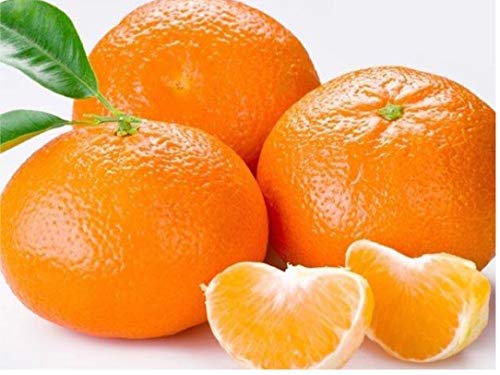
BLOOM TIME: Spring
Optimal Soil Conditions for Orange Trees
Understanding the optimal soil conditions for orange trees is crucial for successful cultivation in South Carolina. The right soil type not only supports healthy growth but also enhances fruit quality and yield. This section delves into the specific soil requirements that can help growers achieve the best results for their orange orchards.
The soil type significantly impacts the growth of orange trees. Ideal conditions include well-drained, sandy loam rich in organic matter. Conduct a soil test to check for pH levels, which should range between 6.0 and 7.0.
| Soil Type | Drainage | pH Range | Organic Matter |
|---|---|---|---|
| Sandy Loam | Excellent | 6.0-7.0 | High |
| Clay Soil | Poor | 5.5-6.5 | Low |
| Silty Soil | Moderate | 6.0-7.0 | Moderate |
Improving soil drainage can be achieved by incorporating compost or aged manure. This promotes healthy root development and nutrient uptake.
Effective Orange Tree Planting Methods
Planting orange trees in South Carolina requires careful consideration of the local climate and soil conditions to ensure healthy growth and fruitful yields. This section outlines effective methods for planting orange trees, focusing on optimal spacing, soil preparation, and watering techniques to help gardeners achieve success in their citrus endeavors.
Proper planting techniques ensure the longevity and productivity of orange trees. Follow these steps for effective planting:
Choose a Sunny Location: Ensure the site receives at least 8 hours of sunlight daily.
Dig a Proper Hole: Make a hole twice the width and the same depth as the root ball.
Position the Tree: Place the tree in the center of the hole, ensuring the graft union is above soil level.
Backfill with Soil: Fill the hole with native soil, avoiding any soil amendments.
Water Thoroughly: After planting, water the tree deeply to settle the soil around the roots.
Recommended Products

【INNOVATIVE 2-IN-1 TREE CLEANING & ROOT WATERING SYSTEM】 This unique 6.5FT spray pipe system is specially designed to spray water directly onto fruits, leaves, and delicate ornamental trees, helping remove dust, pollen, and surface residue. The falling water then naturally soaks into the soil, providing efficient root irrigation at the same time
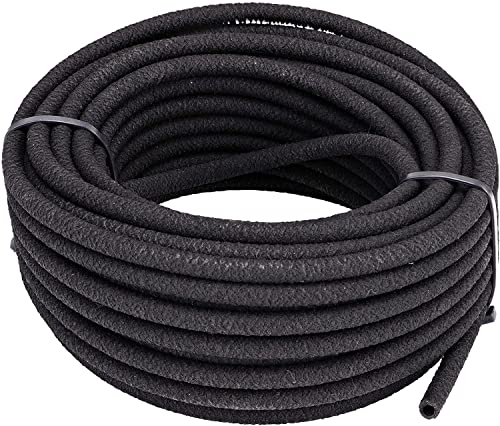
Slowly waters the soil around your plants for complete root zone hydration; Ideal for short runs on flat surfaces, such as vegetable gardens, borders, and around small plants
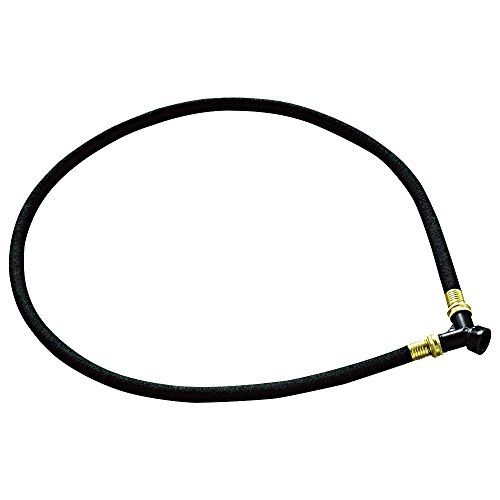
Shrub and tree soaking hose
Irrigation Techniques for Young Orange Trees
Establishing young orange trees in South Carolina requires careful attention to irrigation techniques to ensure healthy growth and fruit production. Proper watering practices can significantly impact the trees’ development, especially in the region’s varying climate conditions. This section explores effective irrigation methods tailored for nurturing young orange trees in the southern landscape.
Effective watering practices are vital for young orange trees. Newly planted trees require consistent moisture to establish roots.
Water deeply once a week during dry spells.
Use drip irrigation to minimize water waste.
Monitor soil moisture with a moisture meter to avoid overwatering.
Citrus Fertilization for Optimal Growth
Proper fertilization is crucial for the health and productivity of orange trees in South Carolina. Understanding the specific nutrient needs and timing can significantly enhance growth and fruit quality. This section delves into effective fertilization strategies tailored to the unique climate and soil conditions of the region.
Regular fertilization enhances the growth and fruit production of orange trees. Use a balanced fertilizer specifically designed for citrus trees. Recommended application rates include:
Spring: Apply a slow-release fertilizer at the beginning of the growing season.
Summer: A second application can be beneficial for fruit development.
Fall: Light feeding can help trees prepare for dormancy.
Follow the manufacturer’s instructions for dosage to avoid over-fertilization.
Pest Control Strategies for Orange Trees
Effective pest control is crucial for maintaining the health and productivity of orange trees in South Carolina. This section outlines various strategies tailored to combat common pests that threaten citrus crops, ensuring that growers can protect their investments and enjoy a bountiful harvest. Understanding these methods will empower farmers to implement proactive measures in their orchards.
Being proactive in pest and disease management is essential for maintaining healthy orange trees. Common issues include:
Citrus Canker: A bacterial disease causing leaf lesions. Control through pruning and sanitation.
Scale Insects: These pests suck sap from leaves. Use insecticidal soap for treatment.
Root Rot: Caused by overwatering. Ensure proper drainage to prevent this condition.
Regularly inspect trees for signs of distress and take immediate action to mitigate issues.
Recommended Products
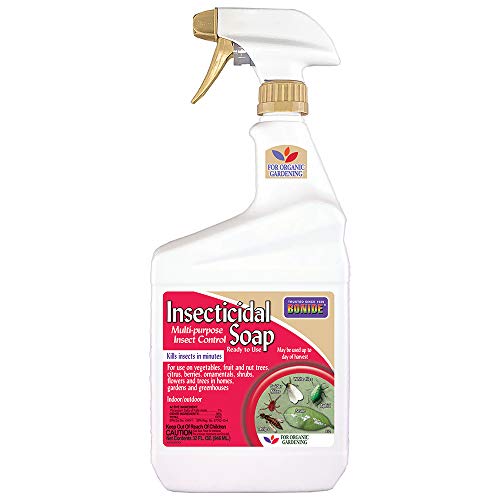
Captain Jack's Insecticidal Super Soap controls species of adelgid, ant, aphid, borer, caterpillar, spider mite, cricket, chinch bug, weevil, fly, thrip, and more

PEST DEFENSE - Insecticidal Super Soap controls species of adelgid, ant, aphid, borer, caterpillar, spider mite, cricket, chinch bug, weevil, fly, thrip, & more.

READY-TO-USE CONTACT SPRAY: No mixing required. Thoroughly spray insecticide on all plant parts, including the underside of leaves. Pests must be sprayed directly to achieve control
Optimal Harvesting Methods for Orange Trees
Harvesting oranges at the right time and using the best techniques can significantly enhance the quality and yield of your crop in South Carolina. Understanding the optimal harvesting methods is essential for growers aiming to maximize their production while ensuring the fruit remains fresh and flavorful. This section explores effective strategies tailored for the region’s unique climate and conditions.
Proper harvesting techniques ensure the best quality fruit. Follow these guidelines:
Harvest when oranges are fully colored and slightly soft to the touch.
Use pruning shears to cut fruit from the tree, avoiding damage to branches.
Handle harvested fruit carefully to prevent bruising.
Seasonal Orange Tree Care Practices
Caring for orange trees in South Carolina requires attention to seasonal changes that affect growth and fruit production. Understanding the specific needs of these trees throughout the year can enhance their health and yield. This section outlines essential practices to ensure your orange trees thrive in the unique climate of the region.
Seasonal care is essential for the long-term health of orange trees. Regular maintenance tasks include:
Pruning in late winter to remove dead or diseased branches.
Mulching around the base to retain moisture and suppress weeds.
Monitoring for pests and diseases throughout the growing season.
Neglecting seasonal care can lead to reduced fruit quality and tree health.
By following these guidelines, you can cultivate thriving orange trees in South Carolina, leading to a fruitful harvest.
