

Walnut trees can grow in Phoenix, AZ, but they require specific care to thrive in the desert climate. Proper selection of walnut varieties and understanding their water and sunlight needs are crucial for successful cultivation.
Best Walnut Varieties for Phoenix Climate
When considering walnut trees for the unique climate of Phoenix, AZ, it’s essential to choose varieties that thrive in hot, arid conditions. The right selection can lead to healthy growth and productive yields, making it possible to enjoy the benefits of these trees even in a desert environment. Here are the best walnut varieties suited for Phoenix’s climate.
Choosing the right walnut variety is essential for successful growth in Phoenix. The climate is characterized by high temperatures and low humidity, which can stress some tree types. The most suitable varieties include:
English Walnut: Known for its high-quality nuts, it adapts well to warmer climates.
Black Walnut: More drought-resistant and can tolerate poor soils.
California Walnut: A hybrid that performs well in arid conditions.
Each variety has unique requirements for sunlight and water, making it important to select one that aligns with your local conditions.
Watering Guidelines for Phoenix Walnut Trees
Growing walnut trees in Phoenix requires careful attention to their unique watering needs due to the region’s arid climate. Proper irrigation practices are essential for ensuring healthy growth and fruit production. This section outlines effective watering guidelines tailored specifically for walnut trees thriving in the desert environment.
Water management is critical for walnut trees in Phoenix. These trees need deep watering to establish strong root systems. Here are some guidelines for effective watering:
Frequency: Water deeply every 1-2 weeks during the growing season.
Amount: Provide 10-15 gallons of water per tree per week.
Method: Use a soaker hose or drip irrigation to minimize evaporation.
Monitoring soil moisture is essential. A moisture meter can help determine when to water.
Recommended Products

【Even & Consistent Root Watering】Features micro-pore seepage technology that distributes water evenly along the entire hose, transforming spot watering into uniform line watering directly to plant roots. Unlike traditional drip irrigation systems with clog-prone emitters, this soaker hose creates a continuous moisture band for healthier, deeper-rooted plants
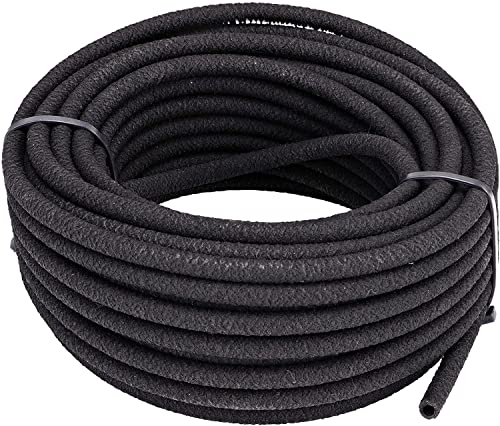
Slowly waters the soil around your plants for complete root zone hydration; Ideal for short runs on flat surfaces, such as vegetable gardens, borders, and around small plants

Save 80% Water: This flat soaker hose penetrates water through numerous tiny holes in a fine and even manner, directly delivering water to the roots of plants. This reduces evaporation and loss. Compared to traditional hoses, garden hose can save 80% water
Walnut Tree Sunlight Needs in Phoenix
Understanding the sunlight requirements for walnut trees is crucial for successful cultivation in Phoenix, AZ. The intense desert sun presents unique challenges, making it essential to know how much light these trees need to thrive. This section delves into the optimal sunlight conditions for walnut trees in the region.
Walnut trees thrive in full sunlight but can suffer from sunburn in extreme heat. Understanding their sunlight needs helps in positioning them correctly. Key points include:
Ideal Exposure: Aim for 6-8 hours of direct sunlight daily.
Shade Considerations: Young trees may benefit from partial shade during the hottest part of the day.
Location: Plant in areas with good air circulation to reduce heat stress.
Proper placement can enhance growth and nut production.
Soil Quality for Healthy Walnut Growth
Understanding the soil quality in Phoenix, AZ is crucial for successfully growing walnut trees in this arid environment. The unique challenges posed by desert conditions require careful consideration of soil composition, drainage, and nutrient levels to ensure healthy growth and optimal yield. This section delves into the specific soil requirements necessary for thriving walnut trees in the region.
The soil quality directly affects walnut tree health. Walnut trees prefer well-drained, loamy soils but can adapt to various soil types. Consider the following:
pH Level: Aim for a pH between 6.0 and 7.5.
Drainage: Ensure good drainage to prevent root rot.
Nutrient Content: Conduct a soil test to assess nutrient levels and amend as necessary.
Adding organic matter can improve soil structure and fertility.
Walnut Tree Pest and Disease Control
Maintaining the health of walnut trees in Phoenix requires vigilance against pests and diseases that can thrive in the desert climate. Understanding the specific threats to these trees and implementing effective control measures is essential for successful growth and productivity. This section will explore common pests and diseases affecting walnut trees and provide strategies for managing them effectively.
Walnut trees are susceptible to various pests and diseases, especially in warmer climates. Regular monitoring and proactive management are key. Common issues include:
Walnut Husk Fly: Affects nut quality; use insect traps.
Powdery Mildew: Fungal disease; apply fungicides as needed.
Root Rot: Caused by overwatering; ensure proper drainage.
Implementing an integrated pest management plan can help maintain tree health.
Recommended Products


Traps and kills spiders, ants, cockroaches, crickets and other crawling insects

IMPRESSIVE TREE COVERAGE: Catchmaster's Tree Shield Insect Barrier is a heavy-duty crawling and flying insect trap. The tree shield measures 30 feet long, allowing you to protect more of your trees in less time. The 30-foot rolls can be easily cut to adapt to different tree and plant sizes throughout your property
Walnut Tree Care Guidelines for Phoenix
Growing walnut trees in Phoenix requires careful attention to their specific needs due to the unique desert climate. This section outlines essential care guidelines to help ensure healthy growth and productivity, addressing factors such as soil quality, watering practices, and pest management tailored to the challenges of the region.
| Aspect | Ideal Conditions | Notes |
|---|---|---|
| Variety | English, Black, California | Choose based on local climate |
| Watering Frequency | Every 1-2 weeks | Deep watering recommended |
| Sunlight Exposure | 6-8 hours | Monitor for sunburn risk |
| Soil pH | 6.0 – 7.5 | Test and amend as necessary |
| Common Pests | Husk Fly, Aphids | Use traps and insecticides |
Regular assessment of these factors will ensure healthy growth and productive nut yields.
Recommended Products

Kindly NOTE: This soil tester can not be applied to test pH value of any other liquid. If the soil is too dry the indicator will not move, and water it before testing.

KNOW BEFORE YOU GROW | Grow the healthiest, sustainable lawn and garden with the most accurate and easy to use professional soil test kit on the market

Accurate Soil pH Testing: Dewildetradingco Soil pH Test Strips offer measurements of soil pH levels (pH 3.5-9). As an essential tool for every gardener and grower, these test strips help determine the optimal pH for various plants, such as outdoor plants, indoor plants, gardens, grass lawns, fruit trees, flowers, vegetables, and forest shrubs.
Walnut Cultivation Strategies for Phoenix
Growing walnut trees in Phoenix presents unique challenges due to the region’s arid climate and intense heat. However, with the right cultivation strategies, it is possible to successfully nurture these trees in the desert environment. This section explores effective methods and considerations for cultivating walnuts in Phoenix, ensuring they thrive despite the harsh conditions.
Growing walnut trees in Phoenix involves understanding local conditions and logistics. Consider the following:
Planting Season: Best to plant in early spring or fall.
Spacing: Allow 30-40 feet between trees for optimal growth.
Mulching: Use organic mulch to retain moisture and suppress weeds.
Following these logistics can enhance the success of your walnut cultivation efforts.
