

Have you ever wondered if autumn is the right time to prune your fruit trees? As the leaves begin to fall and the air turns crisp, many gardeners face this common dilemma. Pruning can feel daunting, especially when you’re unsure about the best timing.
Key Takeaways
- Pruning Techniques: Familiarize yourself with key pruning methods like thinning, heading, repair, and maintenance to enhance fruit tree health and productivity.
- Optimal Timing: Although autumn can be suitable for light pruning (especially for apples and pears), most fruit trees benefit more from winter dormancy pruning to minimize stress.
- Tree and Climate Considerations: Assess the specific fruit tree type and local climate conditions before pruning, as certain species and weather patterns significantly influence the best practices.
- Autumn Pruning Benefits: Autumn pruning can improve fruit production by allowing light to reach more branches, promoting larger fruit and healthier tree growth.
- Best Practices: Use sharp tools, thin crowded areas, and make cuts at a 45-degree angle to support healthy regrowth, while limiting removal to about 20% of the tree’s canopy.
- Avoid Common Mistakes: Steer clear of over-pruning and ignoring disease or damage to maintain the overall health and productivity of your fruit trees.
Understanding Pruning Techniques
Pruning plays a crucial role in maintaining the health and productivity of fruit trees. Understanding different techniques ensures you make informed decisions about your tree care.
Recommended Products

LONG-LASTING SHARPNESS: Japanese SK5 bypass blade with titanium coating is tested through 5,000 cuts to maintain a sharp edge and deliver clean, consistent cuts on live stems and branches
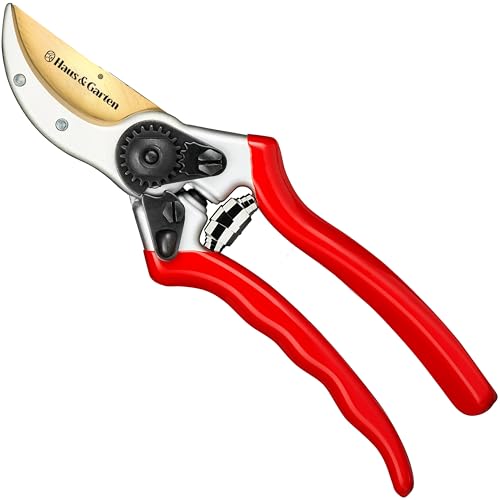
Sharp, Clean Cuts Every Time – Engineered from Japanese grade, high-carbon steel, ClassicPRO bypass pruning shears for gardening stay sharp and make precise cuts that encourage healthy growth and won’t damage your plants

CLEAN CUTS FOR LIVE GROWTH: Bypass blade design is ideal for pruning delicate flower stems and green growth, helping reduce crushing and plant damage while cutting stems and small branches up to 5/8” in diameter
Types of Pruning Methods
- Thinning: Thinning removes entire branches to improve air circulation and light penetration. This method encourages growth and enhances fruit quality. Aim for branches that cross or crowd each other.
- Heading: Heading cuts back a portion of a branch or stem to promote bushier growth. This method is ideal for shaping trees and managing height. Focus on cutting just above a bud to encourage new growth.
- Repair Pruning: Repair pruning addresses damaged or diseased branches. Remove these branches to prevent the spread of disease and improve tree structure. Clean cuts promote quick healing.
- Maintenance Pruning: Maintenance pruning involves regular trimming to maintain shape and health. Remove dead, diseased, or weak branches annually for optimal growth. This keeps trees robust and productive.
When to Prune Fruit Trees
Pruning timing is essential for tree health and fruit production. Autumn can be suitable for certain types of pruning but is best avoided for most fruit trees. Consider these points:
- Late Summer to Early Autumn: This period allows you to evaluate tree structure and growth. Focus on thinning branches to promote sunlight access.
- Post-Harvest: Prune after harvesting fruit, especially for trees like apples or pears. This timing helps trees recover before dormancy.
- Winter Dormancy: Most fruit trees benefit from pruning during winter when they enter dormancy. This minimizes stress and encourages new growth in spring.
Use these methods and timings to ensure your fruit trees flourish throughout the seasons.
Benefits of Pruning in Autumn
Pruning fruit trees in autumn offers several advantages that can enhance tree health and yield. Here are some key benefits to consider.
Improved Fruit Production
Pruning in autumn helps you optimize fruit production. By removing excess branches, you direct the tree’s energy toward fewer, healthier branches. This focus promotes larger fruit development. For example, thinning out crowded areas allows sunlight to reach more of the tree, improving ripening. Fewer fruits allow your tree to allocate resources effectively, leading to a better harvest in the following season.
Tree Health and Maintenance
Pruning in autumn contributes to overall tree health and maintenance. This season provides an opportunity to assess any damage from pests or harsh weather. By addressing broken or diseased branches early, you prevent the spread of disease and encourage vigorous growth in spring. Additionally, autumn pruning allows you to shape the tree, improving air circulation and light penetration. Healthy trees recover faster and demonstrate stronger growth, leading to productive seasons ahead.
Factors to Consider Before Pruning
Before deciding to prune fruit trees in autumn, evaluate specific factors to ensure a successful pruning process. Assess the type of fruit tree and local climate conditions to determine the best course of action.
Recommended Products

PROFESSIONAL GARDENING GRAFTING TOOLS: Including 2 in 1 grafting pruning tools, 3 replaceable blades, a grafting knife, a screwdriver, a wrench, 2 grafting films, 160 rubber bands, 40 wide rubber bands, and 50 colorful tag cards

【Applicable Scenarios】 4-Pack Garden Scissors Set Whether you're caring for your garden, maintaining a community garden, working in a greenhouse, harvesting fruit trees, tending to flower bonsai, or participating in outdoor landscaping projects, these shears will help you complete tasks with precision and ease. They make a great gift for wives and mothers who love gardening.

Pruning Trees Shrubs and Vines No 54 By Gardenway Editors
Type of Fruit Tree
Different fruit trees have varying responses to pruning in autumn.
- Apples and Pears: These trees can tolerate light pruning in late autumn, particularly for removing dead or damaged branches. However, excessive pruning can lead to stress.
- Stone Fruits (Cherries, Peaches, Plums): These trees may be best pruned in late winter. Pruning during autumn can expose them to disease and more significant winter damage.
- Citrus Trees: Avoid pruning citrus trees in autumn as it can stimulate new growth, making them susceptible to frost.
Local Climate Conditions
Local climate conditions play a crucial role in pruning decisions.
- Mild Climates: In regions with mild autumns, light pruning helps manage tree structure and promote growth without much risk of frost damage.
- Cold Climates: Areas with harsh winters should prioritize winter dormancy for pruning. Autumn pruning may lead to weaker trees due to exposure to cold temperatures.
- Rainfall and Humidity: Wet conditions increase the risk of fungal diseases, making autumn pruning less advisable. In dry regions, however, pruning can enhance airflow and reduce disease risk.
By considering these factors, you can make informed decisions about when and how to prune your fruit trees for optimal health and productivity.
Best Practices for Autumn Pruning
Autumn pruning can optimize fruit tree health and productivity when done correctly. Here are some best practices to consider.
Recommended Products

IDEAL BRANCH TRIMMER: Tree pruner that extends from 7.9 to 12 feet; Lightweight aluminum pole weighing less than five pounds to help minimize fatigue; Ideal for cutting high branches, or making low cuts without bending or kneeling

14FT POLE TREE PRUNER WITH SAW FUNCTION: Designed primarily for high branch trimming with pull-rope pruning shears, while the integrated saw provides an additional cutting option when needed. This manual tree pruner combines pruning and sawing functions in one long-reach tool for routine tree care in yards, gardens, and orchards.

【Multi-purpose Tree Pruner】The telescopic pole pruner has a shearing function and can be used for picking fruit and trimming high branches. The sharp blade of the fruit picking rod can easily cut branches up to 1/2 inch in diameter, and the included serrated saw blade uses double-sided cutting technology, making it easy to cut through thicker tree trunks. Its versatile design makes it an indispensable tool for gardening.
Tools and Equipment Needed
Gathering the right tools can make pruning efficient and effective:
- Pruning shears: Use sharp, bypass shears for clean cuts on small branches.
- Loppers: Choose loppers for thicker branches, providing better leverage.
- Saw: A pruning saw is essential for larger branches that require more power.
- Gloves: Protect your hands with durable gardening gloves.
- Disinfectant: Keep a disinfectant on hand to clean tools before and after use, preventing the spread of disease.
Techniques for Successful Pruning
Applying proper techniques enhances the results of your pruning efforts:
- Assess tree structure: Examine the tree before making cuts. Look for dead or damaged branches first.
- Thin out crowded areas: Remove select branches to improve air circulation and light penetration.
- Cut at the right angle: Make cuts at a 45-degree angle, just above a bud or lateral branch to promote healthy regrowth.
- Focus on shape: Maintain a central leader while shaping the tree to encourage upward growth and prevent leggy branches.
- Avoid heavy pruning: Limit the amount removed to about 20% of the tree’s total canopy to minimize stress.
- Seal cuts if necessary: Consider using a wound sealant on large cuts to protect against pests, but use it sparingly as most trees heal efficiently on their own.
Implementing these practices can help you maximize the benefits of autumn pruning while maintaining the vitality of your fruit trees.
Common Mistakes to Avoid
Avoiding specific mistakes while pruning fruit trees in autumn helps maintain their health and productivity.
Over-Pruning
Over-pruning can lead to stress in fruit trees. Remove only 25% of the tree’s structure at most. When pruning, focus on dead or damaged branches. Maintain a balance between removing excess growth and retaining healthy limbs. For example, if you have a young apple tree, target overcrowded areas rather than cutting back too much. Leave enough foliage to support photosynthesis during the winter months.
Ignoring Disease and Damage
Ignoring signs of disease or damage can harm your fruit trees. Before pruning, inspect the tree for issues like fungal infections or insect infestations. If you spot any problems, take action immediately. Remove infected branches and disinfect your tools after each cut to prevent spreading disease. For instance, if you notice rust on leaves, it’s crucial to prune those branches to minimize further damage. Addressing ailments ensures your trees stay healthy and productive year after year.
Conclusion
Pruning your fruit trees in autumn can be beneficial when done thoughtfully. By understanding the right techniques and timing you can enhance the health and productivity of your trees. Remember to consider the type of fruit tree and your local climate before making any cuts.
While some trees may tolerate light pruning in late autumn others are better off waiting until winter dormancy. Keep your tools sharp and your techniques precise to ensure your trees thrive. With a little care and attention you’ll set the stage for a bountiful harvest come spring. Happy pruning!
Frequently Asked Questions
Is autumn a good time to prune fruit trees?
Pruning in autumn can be appropriate for some trees, but it is generally better to avoid it for most fruit trees. Pruning during this season helps assess damage and promotes tree health but can risk disease for certain types, particularly stone fruits.
What types of pruning techniques should I consider?
Key pruning techniques include thinning to improve air circulation, heading to encourage bushier growth, repair pruning to address damaged branches, and maintenance pruning for overall upkeep. Each method serves a specific purpose to enhance tree health.
Which fruit trees benefit from autumn pruning?
Apples and pears can tolerate light pruning in late autumn. In contrast, stone fruits like cherries, peaches, and plums are best pruned in late winter to avoid diseases, while citrus trees should not be pruned in autumn due to frost risks.
How can I ensure successful autumn pruning?
Use sharp tools, maintain a central leader, and make cuts at a 45-degree angle. Always inspect for disease, thin crowded areas, and avoid removing more than 25% of the tree’s foliage. Sealing cuts should only be done when necessary.
What are common mistakes to avoid when pruning?
Avoid over-pruning, which can harm the tree’s health and growth. Focus on removing dead or damaged branches, and inspect for signs of disease before pruning. Disinfect your tools to prevent spreading any potential issues between cuts.
