Close Menu
    Fruit Tree Hub
    • Home
    • Apple Trees
    • Lemon Trees
    • Mango Trees
    • Orange Trees
    • More Trees
      • Best Fruit Trees
      • Apricot Trees
      • Cherry Trees
      • Fig Trees
      • Lime Trees
      • Mulberry Trees
      • Peach Trees
      • Pear Trees
      • Plum Trees
      • Pomegranate Trees
    • Tips and Advice
      • Tools
    • About Us
      • Contact
      • Privacy Policy
    Fruit Tree Hub
    Home»Tips and Advice»Can Fruit Trees Be Planted in the Fall: Tips for Successful Root Development and Care
    Tips and Advice

    Can Fruit Trees Be Planted in the Fall: Tips for Successful Root Development and Care

    Martha JacksonBy Martha JacksonDecember 18, 20248 Mins Read
    Share Facebook Twitter Pinterest WhatsApp Email
    Share
    Facebook Twitter LinkedIn Pinterest Telegram Email

    Have you ever wondered if you can plant fruit trees in the fall? Many gardeners face this question as the cooler months approach. While spring is often seen as the ideal time for planting, fall can actually offer some surprising advantages.

    Contents show
    1 Key Takeaways
    2 Understanding Fruit Tree Planting Seasons
    2.1 Fall Planting Benefits
    2.2 When to Plant
    2.3 Choosing the Right Trees
    2.4 Preparing the Site
    2.5 Planting Steps
    2.6 Post-Planting Care
    3 Benefits Of Planting Fruit Trees In The Fall
    3.1 Improved Root Establishment
    3.2 Reduced Competition With Weeds
    4 Challenges Of Fall Planting
    4.1 Weather Conditions
    4.2 Pest Management
    5 Best Practices For Fall Planting
    5.1 Selecting The Right Variety
    5.2 Soil Preparation Techniques
    6 Conclusion
    7 Frequently Asked Questions
    7.1 Can I plant fruit trees in the fall?
    7.2 When should I plant fruit trees in the fall?
    7.3 What are the benefits of planting fruit trees in the fall?
    7.4 What preparations are needed before planting fruit trees?
    7.5 Are there any challenges to planting fruit trees in the fall?
    7.6 How do I choose the right fruit tree varieties for fall planting?
    7.7 What post-planting care do fruit trees need?
    7.8 How deep should I plant fruit trees?

    Key Takeaways

    • Fall Planting Advantages: Planting fruit trees in fall encourages healthy root development, as cooler temperatures reduce stress and promote root growth.
    • Optimal Timing: Aim to plant fruit trees in early to mid-fall, ideally six weeks before the ground freezes, to allow for proper establishment.
    • Site Preparation: Choose a sunny location and prepare the soil by testing its quality and improving it with organic matter to ensure optimal growing conditions.
    • Post-Planting Care: Implement mulching and consistent watering to retain moisture, suppress weeds, and support the tree’s growth.
    • Weather Monitoring: Stay vigilant about weather changes, as unexpected frost can impact freshly planted trees; protective measures should be taken as necessary.
    • Pest Management: Regularly inspect for pests that may threaten young trees and employ preventive measures to ensure a healthy growth environment.

    Understanding Fruit Tree Planting Seasons

    Understanding when to plant fruit trees is crucial for their success. While spring is the traditional planting season, fall offers unique advantages. You can achieve healthy root development when you plant in fall, as cooler temperatures allow trees to establish without the stress of summer heat.

    MUST READ
    When Do Persian Lime Trees Bear Fruit and How to Maximize Your Harvest

    Fall Planting Benefits

    1. Root Growth: Trees continue root growth during fall while top growth slows down.
    2. Less Competition: Weeds are less aggressive in fall, reducing competition for nutrients.
    3. Moisture Availability: Fall often brings more rainfall, providing adequate moisture for the young trees.
    4. Ready for Spring: Planting in fall prepares your trees to thrive as spring approaches.

    When to Plant

    Plant your fruit trees in early to mid-fall, ideally six weeks before the ground freezes. This timing allows trees to shift their energy from leaves to roots.

    Choosing the Right Trees

    Select varieties suited to your climate and soil conditions. Look for localized recommendations, as specific trees may thrive better in your area. Many gardeners find that apples, pears, and figs adapt well to fall planting.

    Preparing the Site

    Preparation is essential for successful planting:

    • Choose a Sunny Spot: Ensure the planting location receives at least six hours of direct sunlight daily.
    • Test Soil Quality: Conduct a soil test to assess pH and nutrient levels.
    • Amend Soil as Needed: Enrich poor soil with organic matter or compost to enhance growth.

    Planting Steps

    1. Dig a Hole: Make the hole twice as wide and the same depth as the root ball.
    2. Position the Tree: Place the tree in the center of the hole, ensuring the graft site stays above soil level.
    3. Backfill and Water: Fill the hole gently while removing air pockets, then water thoroughly.

    Post-Planting Care

    After planting, maintain your trees by:

    • Mulching: Apply a 2-3 inch layer of mulch to retain moisture and suppress weeds.
    • Watering: Water deeply, especially during dry periods.
    • Monitoring Growth: Keep an eye on new growth and any signs of stress.

    Understanding these factors guides you in determining if fall is the right time for your fruit trees. With careful planning and planting during this season, you set the stage for fruitful harvests.

    Benefits Of Planting Fruit Trees In The Fall

    Planting fruit trees in the fall offers several advantages that can lead to healthier trees and better yields. Among these benefits are improved root establishment and reduced competition with weeds.

    MUST READ
    How to Stop Ants from Climbing Fruit Trees: Effective Techniques for Protecting Your Harvest

    Improved Root Establishment

    Fall temperatures allow fruit trees to establish roots before winter settles in. The ground remains warm enough for root growth, while cooler air temperatures reduce stress on the young trees. As roots develop, they absorb nutrients and moisture, setting a strong foundation for the following spring.

    For example, a newly planted apple tree benefits from an extended root growing season, resulting in a more vigorous tree as it enters the growing season. This increased root establishment leads to healthier trees and larger fruit yields over time.

    Reduced Competition With Weeds

    Weeds compete for moisture and nutrients, which can hinder the growth of young fruit trees. Planting in the fall minimizes this competition since many weeds die back with colder temperatures.

    When you plant fruit trees in early to mid-fall, fewer weeds emerge in the spring. You can easily maintain the area around your trees, allowing them to thrive. This can be crucial for young trees that need all available resources for robust growth.

    Planting fruit trees in the fall presents unique advantages that can lead to healthier trees and a more fruitful harvest.

    Challenges Of Fall Planting

    Planting fruit trees in the fall presents unique challenges. You’ll encounter specific factors that can affect the success of your trees.

    Recommended Products

    VITI Fruit Tree Netting for Cicadas - with 2Pcs 6Ftx5.3Ft Zipper&Drawstring Protection for Your Fruit Trees Garden Bird Netting Covers Blueberry Bush Tomato Bug Plant Protection Cherry Apple Tree
    VITI Fruit Tree Netting for Cicadas - with 2Pcs 6Ftx5.3Ft Zipper&Drawstring Protection for Your Fruit Trees Garden Bird Netting Covers Blueberry Bush Tomato Bug Plant Protection Cherry Apple Tree

    Convenient Zipper and Drawstring Design---Our Fruit Tree Netting for Cicadas has a user - friendly, durable zipper. It makes accessing fruit trees & blueberry bushes easy during trimming, watering, or harvesting. No more struggling with complex closures or removing the whole net. This is especially useful for cicada protection. The attached drawstring enhances functionality, allowing you to secure the net tightly around plants. This combo ensures easy handling & a snug fit, even in windy conditions, making plant maintenance stress - free.

    VIEW LATEST PRICE

    As an affiliate, we earn on qualifying purchases.

    ZeeDix 6 Pack Coconut Fiber Mulch Ring, 24 Inch Coco Coir Tree Ring Mulch Mat, 100% Natural Tree Protector Mat Plant Cover Ring Coconut Coir Discs Tree Mats Mulch Rings for Indoor Outdoor Trees Plants
    ZeeDix 6 Pack Coconut Fiber Mulch Ring, 24 Inch Coco Coir Tree Ring Mulch Mat, 100% Natural Tree Protector Mat Plant Cover Ring Coconut Coir Discs Tree Mats Mulch Rings for Indoor Outdoor Trees Plants

    Mulch Ring Tree Mat: You will get 6 pcs tree mulch ring, which are enough for your daily needs, you can use the tree ring to keep weeds from growing; cover them on the roots of plants to look beautiful and tidy

    MUST READ
    What Fruit Trees Produce Year Round: Your Guide to Growing Fresh Fruits in Every Season
    VIEW LATEST PRICE

    As an affiliate, we earn on qualifying purchases.

    Evoio Bird Netting for Garden Plant Fruit Tree Protection Large Blueberry Bushes Netting Covers Bags with Zipper, 6 x 7 ft Shrubs Bush Tomato Strawberry Berry Barrier Mesh Cover Net Protector (2 Pcs)
    Evoio Bird Netting for Garden Plant Fruit Tree Protection Large Blueberry Bushes Netting Covers Bags with Zipper, 6 x 7 ft Shrubs Bush Tomato Strawberry Berry Barrier Mesh Cover Net Protector (2 Pcs)

    GARDEN NETTING BAGS with ZIPPER & DRAWSTRING: You will receive 2pc garden netting, size 6 x 7ft, perfect for various plants such as fruit trees, blueberry shrubs, large potted plants, flowers, etc. The large fruit tree covers bags effectively prevents small animals or birds from damaging your plants or fruit, ensuring obtaining more harvest

    VIEW LATEST PRICE

    As an affiliate, we earn on qualifying purchases.

    Weather Conditions

    Cooler temperatures can benefit roots, but unexpected weather changes may pose risks. Frost can damage young trees if temperatures drop significantly after planting. To mitigate this risk, monitor weather forecasts closely and protect newly planted trees with mulch or covers if frost is expected. Choose a planting date that allows trees enough time to establish roots before extreme cold sets in. Aim for a planting window of at least six weeks before the ground freezes to maximize success.

    Pest Management

    Pests may still be active in the fall. You must be vigilant as certain insects may target freshly planted trees. Inspect your trees regularly for signs of pests, such as aphids or scale. Implement protective measures like organic insecticidal soap if necessary. Additionally, keeping the planting area clear of debris will help limit pest habitats. By staying proactive, you ensure a better environment for your new trees to thrive.

    Best Practices For Fall Planting

    Fall offers a great opportunity for planting fruit trees. By following some best practices, you can ensure your trees establish well and thrive in the coming seasons.

    Recommended Products

    DUSPRO Recycle Citrus Tree Potting Soil Mix for Potted Lemon Tree, Specialized for Oranges, Fruit Tree Indoor Planting Pre-Mixed 4-in-1 Ready to Use (6 Quarts)
    DUSPRO Recycle Citrus Tree Potting Soil Mix for Potted Lemon Tree, Specialized for Oranges, Fruit Tree Indoor Planting Pre-Mixed 4-in-1 Ready to Use (6 Quarts)

    🍋 𝐍𝐀𝐓𝐔𝐑𝐀𝐋 & 𝐒𝐂𝐑𝐄𝐄𝐍𝐄𝐃 𝐈𝐍𝐆𝐑𝐄𝐃𝐈𝐄𝐍𝐓𝐒: Our citrus potting soil mix is made from natural ingredients that are carefully researched to meet the specific requirements of citrus plants. We double-screen all of our raw ingredients to ensure the highest quality.

    MUST READ
    Can You Eat Cheese Tree Fruit? Discover Its Taste, Benefits, and Preparation Tips
    VIEW LATEST PRICE

    As an affiliate, we earn on qualifying purchases.

    Soil Sunrise Citrus Tree Potting Soil Mix (8 Quarts) Special Blend for Indoor Oranges, Lemons, Limes and More
    Soil Sunrise Citrus Tree Potting Soil Mix (8 Quarts) Special Blend for Indoor Oranges, Lemons, Limes and More

    100% Natural: Expertly hand-blended with premium ingredients for potted citrus trees, ensuring your trees receive the purest, chemical-free nutrients. Contains no artificial additives.

    VIEW LATEST PRICE

    As an affiliate, we earn on qualifying purchases.

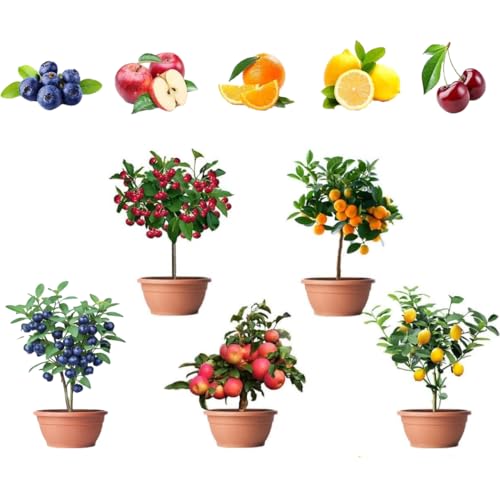
    180 Mix Dwarf Bonsai Fruit Tree Seeds for Planting, 40 Lemon, 40 Orange, 40 Apple, 40 Passion Fruit, 10 Cherry, 10 Blueberry, Separately Packaged, Non-GMO Seeds for Indoor and Outdoor Home Garden
    180 Mix Dwarf Bonsai Fruit Tree Seeds for Planting, 40 Lemon, 40 Orange, 40 Apple, 40 Passion Fruit, 10 Cherry, 10 Blueberry, Separately Packaged, Non-GMO Seeds for Indoor and Outdoor Home Garden

    Comprehensive Fruit Variety Pack: This collection features 180 total seeds including 40 Lemon, 40 Orange, 40 Apple, 40 Passion Fruit, 10 Cherry, and 10 Blueberry seeds for a diverse home orchard experience

    VIEW LATEST PRICE

    As an affiliate, we earn on qualifying purchases.

    Selecting The Right Variety

    Choose tree varieties that suit your local climate. Look for options that are cold-hardy and well-adapted to your soil type. For example, consider dwarf apple trees for limited space or disease-resistant peach trees for warmer areas. Always check with local nurseries for recommendations based on local growing conditions. Ensure you select healthy, disease-free young trees to kickstart their growth.

    Soil Preparation Techniques

    Prepare the soil properly to promote strong root development. Start by clearing the planting area of weeds, debris, and rocks. Test the soil pH and nutrient levels, aiming for a pH between 6.0 and 7.0. Amend the soil with organic matter, like compost, to improve aeration and drainage. Dig a hole twice as wide and just as deep as the root ball of the tree. Avoid planting too deep; the top of the root ball should be level with the soil surface. This preparation provides a strong foundation for your new fruit trees.

    Conclusion

    Planting fruit trees in the fall can be a rewarding choice when done thoughtfully. With the right timing and preparation you can set your trees up for success. Embrace the cooler weather as a chance for stronger root growth and less competition for resources.

    MUST READ
    How Long Do Dwarf Fruit Trees Take to Produce: A Complete Guide to Timeframes and Tips

    Remember to choose varieties that thrive in your local conditions and keep an eye on the weather to protect your young trees. By following best practices for planting and care you’ll pave the way for a fruitful harvest in the seasons to come. Happy planting and enjoy the journey of growing your own fruit trees!

    Frequently Asked Questions

    Can I plant fruit trees in the fall?

    Yes, you can plant fruit trees in the fall. While spring is often considered ideal, fall planting allows for healthy root development due to cooler temperatures and increased moisture availability.

    When should I plant fruit trees in the fall?

    It’s best to plant fruit trees in early to mid-fall, approximately six weeks before the ground freezes. This timing ensures enough root establishment before winter weather sets in.

    What are the benefits of planting fruit trees in the fall?

    Fall planting offers unique advantages, including better root establishment due to warm soil, reduced competition from weeds, and improved access to moisture, leading to healthier trees and larger fruit yields.

    What preparations are needed before planting fruit trees?

    Site preparation is crucial. Choose a sunny location, test soil quality, amend as necessary, and clear any debris to create an optimal environment for the trees.

    Are there any challenges to planting fruit trees in the fall?

    Yes, challenges include the risk of frost damaging young trees. Monitor weather forecasts and protect new plantings with mulch or covers if frost threatens.

    How do I choose the right fruit tree varieties for fall planting?

    Select cold-hardy tree varieties that are well-suited to your local climate and soil conditions. Consult local nurseries for expert recommendations.

    What post-planting care do fruit trees need?

    After planting, ensure consistent watering, apply mulch to retain moisture, and regularly inspect for pests. This care helps promote strong establishment and a healthy growing environment.

    How deep should I plant fruit trees?

    Dig a hole that is wide enough to accommodate the root ball and deep enough for the roots without bending. The top of the root ball should be level with the soil surface for stability.

    Share. Facebook Twitter Pinterest LinkedIn Tumblr Email
    martha jackson
    Martha Jackson

      Martha Jackson is an accomplished freelance writer and editor with a strong interest in gardening. With a degree in English from the University of California, Berkeley, Martha has over 15 years of experience writing for a variety of publications. She is passionate about making gardening accessible to all and is always seeking out new techniques and innovations.

      Related Posts

      How Long Until Avocado Trees Bear Fruit and Tips for Faster Growth at Home

      February 20, 2025

      What Yellow Fruit Grows on Trees and Their Delicious Health Benefits

      February 20, 2025

      How to Air Layer Fruit Trees: A Step-by-Step Guide for Successful Propagation

      February 20, 2025

      When Do Grapefruit Trees Produce Fruit and How to Maximize Your Harvest

      February 20, 2025

      What Is a Fast Growing Fruit Tree: Discover Quick-Yield Options for Your Garden

      February 20, 2025

      Do Cherry Blossom Trees Have Fruit? Discover the Truth About Their Edibility and Benefits

      February 20, 2025
      Leave A Reply Cancel Reply

      Affiliate Disclosure

      As an Amazon Associate I earn from qualifying purchases.

      Recommended Reading

      Growing Orange Trees in Oklahoma: High Heat Resilience

      Growing Star Fruit Trees in a Pot in Colorado: Maintenance Tips

      How Long Till Mango Tree Fruits: Tips for Faster Growth and a Bountiful Harvest

      Why Do Tamarind Trees Have Long Seed Pods

      How Do I Grow Fruit Trees in Animal Crossing: A Complete Guide to Planting and Caring for Your Orchard

      Where to Buy Mature Fruit Trees for a Lush and Fruitful Backyard Transformation

      When Mango Tree Gives Fruit: Understanding Its Growth Stages and Harvesting Tips

      How to Prune Summer Raspberries for Better Growth and Fruit Quality

      How Many Years for an Avocado Tree to Produce Fruit: Tips for Accelerating Your Harvest

      How to get a lime tree to produce fruit?

      Fruit Tree Hub

      Fruit Tree Hub is a website dedicated to providing you everything you need to grow fruit trees successfully at in your own yard.

      Contact us at: [email protected]

      - AFFILIATE DISCLOSURE: As an Amazon Associate I earn from qualifying purchases.

      Latest Posts

      Mulberry Trees in Indianapolis, IN: Urban Planting Success

      Persimmon Trees in a Pot in Alaska (Indoor and Winter Care Guide)

      Can Star Fruit Trees Grow in a Pot in Indiana? Pro Secrets

      Growing Mulberry Trees in Colorado: High Altitude Success Tips

      Jujube Trees in Raleigh, NC (Central Carolina Success Guide)

      Growing Orange Trees in Hawaii (Tropical Harvest Secrets)

      Tangerine Trees in a Pot in Jacksonville, FL (Successful Harvest)

      Mango Trees in a Pot in Wyoming (Protecting Potted Tropicals)

      Categories
      • Almond Trees
      • Apple Trees
      • Apricot Trees
      • Best Fruit Trees
      • Blackberry
      • Cantaloupe
      • Cherry Trees
      • Crochet Ideas
      • Crochet Ideas for Beginners
      • Cucamelon
      • Easy Crochet Ideas
      • Easy Knitting Projects
      • Fig Trees
      • Grapefruit Trees
      • Grapes
      • Guava Trees
      • Honeydew
      • Jujube Trees
      • Kiwi
      • Knitting For Beginners
      • Knitting Ideas
      • Knitting Inspiration
      • Lemon Trees
      • Lime Trees
      • Loquat Trees
      • Mango Trees
      • Mulberry Trees
      • Nectarine Trees
      • Olive Trees
      • Orange Trees
      • Papaya Trees
      • Peach Trees
      • Pear Trees
      • Persimmon Trees
      • Planting
      • Plum Trees
      • Pomegranate Trees
      • Quince Trees
      • Raspberry
      • Reviews
      • Small Crochet Ideas
      • Star Fruit Trees
      • Summer Crochet Ideas
      • Tamarind Trees
      • Tangerine Trees
      • Tips and Advice
      • Tools
      • Uncategorized
      • Walnut Trees
      © 2026 Fruit Tree Hub
      • Home
      • About Us
      • Contact
      • Privacy Policy
      • Terms and Conditions
      • Disclaimer
      • Editorial Policy
      • Affiliate Disclosure

      Type above and press Enter to search. Press Esc to cancel.