
Close Menu
    Fruit Tree Hub
    • Home
    • Apple Trees
    • Lemon Trees
    • Mango Trees
    • Orange Trees
    • More Trees
      • Best Fruit Trees
      • Apricot Trees
      • Cherry Trees
      • Fig Trees
      • Lime Trees
      • Mulberry Trees
      • Peach Trees
      • Pear Trees
      • Plum Trees
      • Pomegranate Trees
    • Tips and Advice
      • Tools
    • About Us
      • Contact
      • Privacy Policy
    Fruit Tree Hub
    Home»Climbing Fruit»Blackberry»Can Blackberries Grow on a Tree? Debunking Myths and Unveiling the Truth
    Blackberry

    Can Blackberries Grow on a Tree? Debunking Myths and Unveiling the Truth

    Lucy SmithBy Lucy SmithAugust 18, 20247 Mins Read
    Share Facebook Twitter Pinterest WhatsApp Email
    Share
    Facebook Twitter LinkedIn Pinterest Telegram Email

    Have you ever wondered if blackberries can actually grow on a tree? Picture this: you’re strolling through a lush garden, and you spot plump, juicy blackberries hanging from a surprising source. It’s a common conundrum many garden enthusiasts face – the confusion between bushes and trees when it comes to these delicious berries.

    Contents show
    1 Key Takeaways
    2 Understanding the Blackberry Plant
    2.1 What Are Blackberries?
    2.2 The Growth Habit of Blackberries
    3 Common Misconceptions About Blackberries
    3.1 Can Blackberries Grow on a Tree?
    4 How to Grow Blackberries Successfully
    4.1 Choosing the Right Environment
    4.2 Pruning and Maintenance Tips
    5 Benefits of Growing Blackberries
    5.1 Nutritional Value of Blackberries
    5.2 Economic Benefits of Cultivating Blackberries
    6 Conclusion
    7 Frequently Asked Questions
    7.1 How often do blackberries produce fruit?
    7.2 Do blackberries grow on trees?
    7.3 What are the nutritional benefits of blackberries?
    7.4 Are there economic advantages to cultivating blackberries?

    In this article, we’ll clear up the mystery surrounding where blackberries truly grow. By understanding the distinction between bushes and trees, you’ll be equipped with the knowledge to cultivate your own thriving blackberry patch. Stay tuned to discover how to ensure your blackberries flourish in the right environment for a bountiful harvest.

    Key Takeaways

    • Blackberries do not grow on trees but on bushes or brambles with biennial canes.
    • Understanding the growth pattern of blackberries helps in proper pruning for optimal fruit production.
    • Despite being called berries, blackberries are aggregate fruits composed of multiple drupelets.
    • Blackberry bushes thrive in full sun but can still produce fruit in partial shade with lower yields.
    • Choosing the right environment, proper pruning, and maintenance are key factors for successful blackberry cultivation.
    • Blackberries offer nutritional benefits rich in Vitamin C and fiber while also presenting economic advantages through home cultivation or commercial production.
    MUST READ
    Growing Blackberries at Home: Tips for Successful Cultivation and Harvesting

    Understanding the Blackberry Plant

    Blackberries are perennial plants known for their delicious fruits that grow on canes. These canes are typically classified as brambles, which are characterized by thorns and a sprawling growth habit.

    Recommended Products

    Perfect Plants Triple Crown BlackBerry Bush, 1 Gallon, Live Plant
    Perfect Plants Triple Crown BlackBerry Bush, 1 Gallon, Live Plant

    PRODUCE A BUSHEL OF BLACKBERRIES — Produce Large Fresh Berry in the First Year of Planting

    VIEW LATEST PRICE

    As an affiliate, we earn on qualifying purchases.

    Triple Crown Thornless BlackBerry Plants for Growing - Well Rooted and Ready to Plant - Grow Fruit - Ships Bare Root, No Pots Included (2 BlackBerry Plants)
    Triple Crown Thornless BlackBerry Plants for Growing - Well Rooted and Ready to Plant - Grow Fruit - Ships Bare Root, No Pots Included (2 BlackBerry Plants)

    THORNLESS AND EASY TO HARVEST: Triple Crown blackberries are completely thornless, allowing for safe and effortless picking. Enjoy fresh berries without worrying about prickly canes.

    VIEW LATEST PRICE

    As an affiliate, we earn on qualifying purchases.

    Ponca BlackBerry (Rubus 'Ponca'), 2 Pack Live Plants - Exceptionally Sweet Thornless, Early Season, University-Bred, Hardy Zones 6-9, Garden & Container Friendly
    Ponca BlackBerry (Rubus 'Ponca'), 2 Pack Live Plants - Exceptionally Sweet Thornless, Early Season, University-Bred, Hardy Zones 6-9, Garden & Container Friendly

    What You Will Receive: Two (2) healthy, well-rooted Ponca Blackberry plants. Nursery-grown and packaged to arrive in excellent condition, ready for your garden.

    VIEW LATEST PRICE

    As an affiliate, we earn on qualifying purchases.

    What Are Blackberries?

    Blackberries belong to the Rosaceae family, just like roses. They are aggregate fruits composed of small drupelets clustered together around a core known as the receptacle. This unique structure gives blackberries their characteristic appearance and texture.

    The Growth Habit of Blackberries

    Blackberries grow on biennial canes, meaning they have a two-year life cycle. In the first year, new canes called primocanes emerge from the roots or crown of the plant. These canes do not bear fruit in their first year but develop leaves and store energy for fruit production in the following year.

    MUST READ
    How to Prune Primocane Blackberries for Bountiful Harvests

    In the second year, these primocanes become floricanes. Floricanes produce flowers and then fruit before completing their life cycle. After bearing fruit, floricanes die off, making room for new primocanes to take their place in a continuous growth cycle.

    By understanding this growth pattern, you can effectively prune your blackberry plants to ensure optimal fruit production each season. Proper care and maintenance will help you cultivate a thriving blackberry patch that yields abundant harvests year after year.

    Common Misconceptions About Blackberries

    When it comes to blackberries, there are some common misconceptions that you may have heard. Let’s address these myths to help you understand more about these delicious fruits.

    Can Blackberries Grow on a Tree?

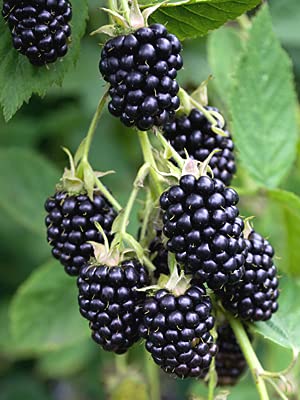
    Blackberries do not grow on trees; they grow on bushes or brambles. These plants are known for their thorny stems and canes rather than the woody structure of a tree. Blackberry plants typically have biennial canes, with new primocanes sprouting each year to bear fruit in the following season as floricanes. Understanding this growth pattern will help you care for your blackberry plants properly.

    1. Blackberries Are Berries: Despite their name, blackberries are not technically berries but aggregate fruits composed of multiple smaller drupelets.
    2. All Blackberries Are Black: While most varieties of blackberries are indeed black when ripe, there are also red and golden cultivars offering different flavors.
    3. Blackberry Bushes Need Full Sun: Although blackberry bushes thrive in full sun, they can still produce fruit in partial shade, though the yield may be lower.

    Remembering these facts will help you appreciate the unique characteristics of blackberries and nurture your plants for a bountiful harvest.

    MUST READ
    Growing Blackberries in Oklahoma: Tips for Success in Your Garden

    How to Grow Blackberries Successfully

    When it comes to growing blackberries successfully, there are key factors you need to consider. From choosing the right environment to implementing proper pruning and maintenance techniques, here’s what you need to know.

    Recommended Products
    Live Berry Starter Plant Variety Pack – 1 Year Seedlings BlackBerry, Raspberry, Blueberry, Grape, & 5 Strawberry Roots, Edible Fruit Garden Kit, Outdoor Planting, Beginner Friendly Home Garden
    Live Berry Starter Plant Variety Pack – 1 Year Seedlings BlackBerry, Raspberry, Blueberry, Grape, & 5 Strawberry Roots, Edible Fruit Garden Kit, Outdoor Planting, Beginner Friendly Home Garden

    4 Seedlings and 5 Strawberry Rootstocks: Get One seedling of Raspberry, Blueberry, Grape, Blackberry and 5 Strawberry Rootstocks. If you want more fruit trees just buy more kits.

    VIEW LATEST PRICE

    As an affiliate, we earn on qualifying purchases.

    BlackBerry Plants Natchez Price Includes Four (4) Plants
    BlackBerry Plants Natchez Price Includes Four (4) Plants

    Includes four (4) "Natchez" Blackberry Plants with USPS Shipping. These are 2 inch rooted plants shipped in 2 inch tray pots and are 3-6 inches tall.

    VIEW LATEST PRICE

    As an affiliate, we earn on qualifying purchases.

    BlackBerry Plants Freedom-Ark (4 Pack) Live for Sale | Easy to Grow Plants | Edible Fruit Plant for Sustainable Living | Grow Your own Food on Your Organic Garden | Live for Planting |
    BlackBerry Plants Freedom-Ark (4 Pack) Live for Sale | Easy to Grow Plants | Edible Fruit Plant for Sustainable Living | Grow Your own Food on Your Organic Garden | Live for Planting |

    Premium Collection: Includes our top 4 blackberry varieties for a diverse and abundant harvest

    VIEW LATEST PRICE

    As an affiliate, we earn on qualifying purchases.

    Choosing the Right Environment

    To ensure optimal growth and fruit production, select a suitable environment for your blackberry plants. Here are some essential tips:

    1. Sunlight: Blackberries thrive in full sun, so choose a location with at least 6-8 hours of sunlight daily.
    2. Soil: Plant blackberries in well-draining soil rich in organic matter. A slightly acidic soil pH of 5.5-7 is ideal.
    3. Spacing: Allow adequate spacing between plants (4-6 feet apart) and rows (8-10 feet apart) to promote air circulation and prevent diseases.
    4. Protection: Consider wind protection as strong winds can damage the plants. Planting near a fence or windbreak can help shield them.
    MUST READ
    Discover Where Blackberries Grow Best: A Guide to Cultivating Delicious Berries at Home

    Pruning and Maintenance Tips

    Proper pruning is crucial for healthy blackberry plants and bountiful harvests. Follow these maintenance tips:

    1. Pruning Schedule: Prune blackberries annually during late winter or early spring while the plant is dormant.
    2. Remove Old Canes: Trim out old floricanes (fruit-bearing canes) after they have produced fruit to make room for new growth.
    3. Training New Canes: Train primocanes (first-year canes) by tying them to a trellis or support system for better airflow and easier harvesting.
    4. Weed Control: Keep the area around your blackberry plants free of weeds that compete for nutrients and water.

    Benefits of Growing Blackberries

    Blackberries not only offer delicious fruit but also come with various benefits that make them a valuable addition to your garden. Let’s explore the nutritional value of blackberries and the economic advantages of cultivating these flavorful berries.

    Nutritional Value of Blackberries

    Blackberries are packed with essential nutrients that can contribute to your overall well-being. They are rich in Vitamin C, which boosts your immune system and promotes healthy skin. Additionally, blackberries contain fiber, aiding digestion and keeping you feeling full longer. These berries also provide antioxidants that help fight inflammation in the body, potentially reducing the risk of chronic diseases.

    Economic Benefits of Cultivating Blackberries

    Growing blackberries can be a financially rewarding endeavor. By cultivating blackberries at home or on a larger scale, you can save money on store-bought fruit while enjoying fresh produce right from your garden. Furthermore, if you have surplus blackberries, you can sell them at local markets or to neighbors, creating an additional income stream. Commercially, cultivating blackberries can be profitable due to their popularity and high demand in various food products like jams, jellies, and desserts.

    MUST READ
    Growing Blackberries from Berries: A Complete Guide to Homegrown Harvests

    By understanding the nutritional value and economic advantages of growing blackberries, you’ll appreciate these fruits even more as a beneficial addition to your gardening efforts.

    Conclusion

    Growing blackberries can be a fruitful and rewarding endeavor for your garden. With their perennial nature and biennial fruiting cycle, blackberries offer a consistent harvest of delicious berries. Remember, they thrive on bushes, not trees, and provide essential nutrients like Vitamin C, fiber, and antioxidants. Cultivating blackberries not only benefits your health but also your wallet with potential cost savings and income from surplus fruit sales. Whether you’re a home gardener or considering commercial cultivation, the nutritional and economic advantages make growing blackberries a smart choice. So go ahead, plant some blackberry bushes in your garden and enjoy the bountiful rewards they bring!

    Frequently Asked Questions

    How often do blackberries produce fruit?

    Blackberries produce fruit biennially, with primocanes growing in the first year and floricanes bearing fruit in the second year.

    Do blackberries grow on trees?

    No, blackberries grow on bushes that belong to the Rubus genus.

    What are the nutritional benefits of blackberries?

    Blackberries are rich in Vitamin C, fiber, and antioxidants, making them a healthy addition to your diet.

    Are there economic advantages to cultivating blackberries?

    Yes, cultivating blackberries can lead to cost savings, potential income from selling surplus fruit, and profitability in commercial settings.

    Share. Facebook Twitter Pinterest LinkedIn Tumblr Email
    lucy smith
    Lucy Smith
    • Website

    Lucy Smith is a highly experienced horticulturist with a passion for fruit tree cultivation. She holds a degree in Horticulture from the University of California, Davis, and has worked in various roles in the industry. With over 10 years of experience, Lucy is dedicated to using eco-friendly methods for sustainable gardening practices.

    Related Posts

    Growing Blackberries in a Pot: Tips for Success and Bountiful Harvests

    August 23, 2024

    How to Grow Blackberries in North Texas: Tips for a Bountiful Harvest

    August 23, 2024

    Growing Blackberries in Containers: Tips for Success and Space-Saving Solutions

    August 23, 2024

    Growing Blackberries in Partial Shade: Tips for Healthy Bushes and Bountiful Harvests

    August 23, 2024

    How to Grow Raspberries and Blackberries: A Complete Guide for Home Cultivation

    August 23, 2024

    Pruning Blackberries in Summer: Tips for Healthy Growth and Bountiful Harvests

    August 23, 2024
    Leave A Reply Cancel Reply

    Affiliate Disclosure

    As an Amazon Associate I earn from qualifying purchases.

    Recommended Reading

    When to Prune Nectarine Trees in South Australia: Essential Tips for Healthy Growth

    How Often Do Mango Trees Produce Fruit and the Best Tips for a Bountiful Harvest

    How Long Does Papaya Tree Take to Bear Fruit: A Comprehensive Growing Guide for Gardeners

    How to Propagate Olive Trees From Cuttings

    Nectarine Trees in a Pot in San Francisco, CA: Fog and Soil Tips

    Best Fruit Trees for Containers in Sacramento: A Guide for Successful Mini Orchards

    How to Get Olive Trees to Fruit: Expert Tips for Optimal Growth and Production

    Can Banana Trees Grow in Scottsdale, AZ? (Luxury Desert Tips)

    How to Revive Fruit Trees in Hay Day: Essential Tips for Thriving Orchards

    Growing Apricot Trees in Chesapeake, VA: Coastal Soil Care

    Fruit Tree Hub

    Fruit Tree Hub is a website dedicated to providing you everything you need to grow fruit trees successfully at in your own yard.

    Contact us at: [email protected]

    - AFFILIATE DISCLOSURE: As an Amazon Associate I earn from qualifying purchases.

    Latest Posts

    21 Colorful Halloween Crochet Motifs Featuring Pumpkins Bats and Black Cats

    23 Smart Halloween Crochet Ideas to Sell as Keychains and Coasters

    22 Fun Halloween Crochet Ideas Built Around Treat Bags and Hats

    23 Adorable Halloween Amigurumi Ideas Featuring Ghosts and Black Cats

    22 Compact Halloween Crochet Decorations for Shelves and Small Spaces

    19 Practical Halloween Crochet Decorations Designed for Tabletop Displays

    24 Cozy Halloween Crochet Decor Ideas Built Around Mantel Garlands

    19 Playful Kawaii Halloween Crochet Ideas Featuring Smiling Spooky Characters

    Categories
    • Almond Trees
    • Apple Trees
    • Apricot Trees
    • Best Fruit Trees
    • Blackberry
    • Cantaloupe
    • Cherry Trees
    • Crochet Ideas
    • Crochet Ideas for Beginners
    • Cucamelon
    • Easy Crochet Ideas
    • Easy Knitting Projects
    • Fall Crochet Ideas
    • Fig Trees
    • Grapefruit Trees
    • Grapes
    • Guava Trees
    • Halloween Crochet Ideas
    • Honeydew
    • Jujube Trees
    • Kiwi
    • Knitting For Beginners
    • Knitting Ideas
    • Knitting Inspiration
    • Lemon Trees
    • Lime Trees
    • Loquat Trees
    • Mango Trees
    • Mulberry Trees
    • Nectarine Trees
    • Olive Trees
    • Orange Trees
    • Papaya Trees
    • Peach Trees
    • Pear Trees
    • Persimmon Trees
    • Planting
    • Plum Trees
    • Pomegranate Trees
    • Quince Trees
    • Raspberry
    • Reviews
    • Small Crochet Ideas
    • Star Fruit Trees
    • Summer Crochet Ideas
    • Tamarind Trees
    • Tangerine Trees
    • Tips and Advice
    • Tools
    • Uncategorized
    • Walnut Trees
    © 2026 Fruit Tree Hub
    • Home
    • About Us
    • Contact
    • Privacy Policy
    • Terms and Conditions
    • Disclaimer
    • Editorial Policy
    • Affiliate Disclosure

    Type above and press Enter to search. Press Esc to cancel.