

Growing orange trees in pots in San Francisco requires careful attention to fog conditions and soil types. To thrive, these trees need well-draining soil and protection from excessive moisture. Understanding these factors will help ensure a healthy and fruitful plant.
San Francisco Climate Impact on Potted Orange Trees
San Francisco’s unique climate, characterized by cool fog and varying temperatures, plays a crucial role in the success of growing potted orange trees. Understanding how these environmental factors influence growth and fruit production is essential for gardeners looking to cultivate healthy citrus plants in this coastal city. This section explores the specific climatic conditions that affect orange trees in pots.
San Francisco’s climate is characterized by cool, foggy summers and mild winters. This unique weather can pose challenges for growing orange trees in pots.
The fog reduces sunlight, which can hinder fruit production. Proper placement of the pots is essential to maximize sun exposure while protecting the trees from excessive moisture.
Recommended Products
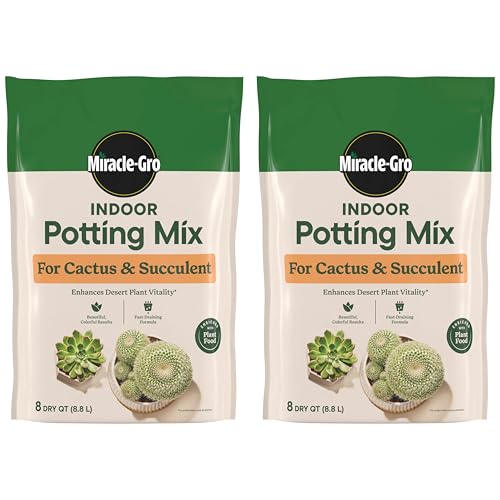
Miracle-Gro Indoor Potting Mix for Cactus and Succulent is enriched with Miracle-Gro Plant Food and enhances desert plant vitality (vs unfed plants when used as directed)

Made For Potted Citrus Trees: Our citrus potting soil mix is made for potted lemon, lime, orange and other citrus trees that need a lighter growing medium for repotting. We double-screen all of our raw ingredients to support a cleaner, more consistent texture for pouring and repotting potted citrus trees.

【Ideal pH Balance】Our citrus soil is carefully calibrated to maintain an optimal pH level between 6.0 and 7.1, ensuring your citrus trees can absorb essential nutrients efficiently and thrive
Optimal Potting Mix for San Francisco Orange Trees
Growing orange trees in pots can be rewarding, especially in San Francisco’s unique climate. The right potting mix is crucial for ensuring healthy growth and fruit production. This section explores the optimal soil composition and amendments tailored to the city’s foggy conditions, helping you cultivate thriving citrus plants.
The right soil is crucial for the health of orange trees. A well-draining potting mix will prevent root rot and encourage healthy growth. Here are some recommended soil characteristics:
pH Level: Aim for a pH between 6.0 and 7.0.
Texture: Use a mix of loamy soil, sand, and organic matter.
Drainage: Ensure the soil allows excess water to escape easily.
| Soil Component | Purpose |
|---|---|
| Loamy Soil | Provides nutrients |
| Sand | Enhances drainage |
| Organic Matter | Improves moisture retention |
Fog Management Strategies for Potted Orange Trees
Managing fog conditions is essential for the health of potted orange trees in San Francisco. This coastal city’s unique climate can pose challenges, particularly when it comes to moisture and temperature fluctuations. Understanding effective fog management strategies can help ensure these citrus trees thrive despite the environmental nuances.
Fog can be detrimental to orange trees if not managed properly. Here are strategies to mitigate its effects:
Placement: Position pots in areas that receive morning sunlight but are shielded from heavy fog.
Covering: Use lightweight fabric covers during particularly foggy nights to reduce moisture accumulation.
Ventilation: Ensure good air circulation around the trees to prevent fungal diseases.
Watering Guidelines for Potted Orange Trees
Proper watering is crucial for the health of potted orange trees, especially in the unique climate of San Francisco. The combination of coastal fog and varying soil conditions can complicate moisture management. Understanding the specific watering needs will help ensure your orange trees thrive in their containers.
Watering is a critical component of care for orange trees in pots. Overwatering can lead to root rot, while underwatering can stress the tree. Follow these guidelines:
Frequency: Water when the top inch of soil feels dry.
Amount: Ensure water drains from the bottom of the pot.
Seasonal Adjustments: Reduce watering in winter months when the tree is dormant.
Fertilization Strategies for Potted Orange Trees
Potted orange trees thrive in San Francisco’s unique climate, but proper fertilization is essential for their growth and fruit production. Understanding the specific nutrient needs and timing can make a significant difference in the health of your trees. This section explores effective fertilization strategies tailored to the conditions of San Francisco.
Regular fertilization is necessary to support the growth of orange trees. Use a balanced fertilizer designed for citrus trees. Here are some tips:
Timing: Fertilize in early spring and again in late summer.
Type: Choose a slow-release formula to provide nutrients over time.
Application: Follow the manufacturer’s instructions for dosage.
| Fertilizer Type | Nutrient Ratio | Application Frequency |
|---|---|---|
| Slow-Release | 10-10-10 | Every 6 months |
| Liquid Fertilizer | 20-20-20 | Monthly during growing season |
Pest Control Strategies for Potted Orange Trees
Potted orange trees in San Francisco face unique challenges, particularly from pests that thrive in the city’s foggy climate. Effective pest control strategies are essential to maintain the health and productivity of these trees. Understanding the specific threats and implementing targeted solutions can help ensure vibrant growth and fruitful harvests.
Pests and diseases can threaten the health of orange trees. Regular monitoring and prompt action are essential. Common issues include:
Aphids: Small insects that can be controlled with insecticidal soap.
Citrus Canker: A bacterial disease that requires removal of infected leaves.
Fungal Infections: Use fungicides to treat and prevent mold growth.
Always inspect trees regularly for signs of distress or infestation.
Logistical Considerations for Potted Orange Trees
Growing orange trees in pots in San Francisco presents unique logistical challenges due to the city’s distinct climate and soil conditions. Understanding these factors is crucial for successful cultivation, as the interplay between fog, temperature, and potting soil can significantly impact the health and productivity of your trees. This section explores essential considerations to ensure your potted orange trees thrive.
Successful cultivation of orange trees in pots requires careful planning. Consider the following logistical aspects:
Pot Size: Start with a pot that is at least 12-14 inches in diameter.
Mobility: Use pots with wheels for easy relocation based on weather conditions.
Sunlight Needs: Ensure a minimum of 6 hours of direct sunlight daily.
By following these guidelines, you can create an optimal environment for your orange trees in San Francisco, ensuring they thrive despite the unique challenges posed by the local climate.
