

Ever found yourself in a DIY situation where you needed to cut through a tough metal bolt, but all you had on hand was a trusty lopper? You might be wondering, can a lopper really tackle the job of a bolt cutter? Imagine the convenience of being able to repurpose tools for different tasks – that’s the kind of versatility we all love in our toolbox. In this article, we’ll explore whether your lopper can step up to the challenge of cutting bolts, saving you time and effort on your next project.
Understanding Loppers and Bolt Cutters
When it comes to cutting through tough materials like metal bolts, understanding the differences between loppers and bolt cutters is crucial. Here’s a breakdown to help you distinguish between the two tools:
Recommended Products

[High Hardness Material] Crafted from premium Cr-v steel and reinforced through high-temperature forging, this bolt cutter delivers outstanding hardness up to 62 HRC. The ultra-durable blade resists rust, bending, and breakage—even with frequent, high-intensity use.

DROP FORGED CR-MO JAWS-This 18-inch heavy-duty bolt cutter is forged from durable chrome molybdenum steel and powder-coated jaws for corrosion and rust resistance. The Cr-Mo jaws are further strengthened by heat treatment and quenching technical to ensure efficient cutting and long life.
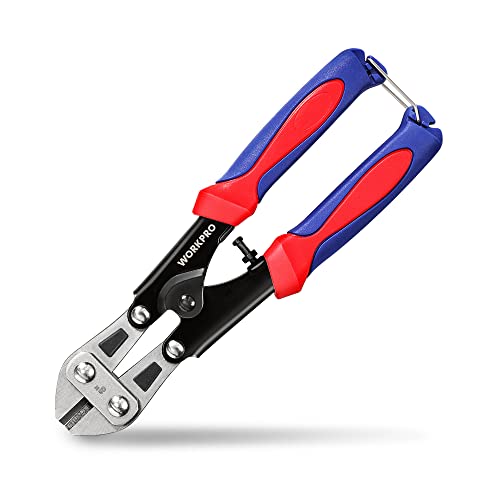
【High Hardness Material】 Durable steel with drop forged construction and heat treated for strength and durability. Up to 65 HRC. Max cutting capacity: 2.3mm (3/23in.) 【Note】Cutting Locks Is Not Recommended
Loppers
- Designed for Pruning: Loppers are typically used for trimming branches and cutting through green, living wood in gardening and landscaping.
- Mechanism: They feature long handles for increased leverage and a scissor-like cutting mechanism that concentrates force at the blades.
- Blade Type: Loppers often have thicker blades to handle woody stems and branches effectively.
- Limitations: While great for green wood, loppers may struggle with harder materials like metal bolts due to the design intended for softer materials.
- Intended Use: Bolt cutters are specifically designed for cutting through metal objects like bolts, chains, and padlocks.
- Leverage: They have short, sturdy handles and a cutting mechanism that provides maximum force for severing tough metals.
- Blade Strength: Bolt cutters come with hardened steel blades capable of slicing through metal with ease.
- Versatility: Due to their robust construction, bolt cutters excel at tasks requiring cutting strength and durability.
Understanding the distinct features of loppers and bolt cutters is essential in determining which tool best suits your cutting needs.
Key Differences Between Loppers and Bolt Cutters
When considering loppers and bolt cutters for your cutting needs, it’s important to understand their fundamental differences:
Purpose:
- Loppers are primarily designed for pruning branches in your garden.
- Bolt cutters are specifically crafted for cutting tough materials like metal bolts.
Blade Design:
- Loppers typically have sharp blades designed for slicing through green, softer materials.
- Bolt cutters feature hardened steel blades capable of cutting through hard materials like metal rods.
Cutting Capacity:
- Loppers have a limited cutting capacity and may not effectively cut through metals like bolts.
- Bolt cutters are built to handle heavy-duty cutting tasks and can easily slice through metal bolts.
Strength and Construction:
- Bolt cutters are known for their robust construction and sturdy handles, providing the strength needed for cutting tough metals.
- Loppers are not built to withstand the force required for cutting through hard metals like bolts.
- Bolt cutters are generally heavier and bulkier due to their construction for heavy-duty tasks.
- Loppers are designed to be lighter and more maneuverable for gardening purposes.
Understanding these key differences is essential when choosing the right tool for your cutting tasks, whether it involves trimming branches in your garden or working on challenging DIY projects involving metal bolts.
Can a Lopper effectively Cut through Bolts?
Loppers are designed for pruning soft materials in gardens with their sharp blades. When it comes to cutting tough metals like bolts, the story changes. Bolt cutters are specifically engineered with hardened steel blades to handle this task effortlessly.
To answer the question: Can a Lopper effectively Cut through Bolts? The short answer is no. Loppers lack the sturdiness and strength needed to tackle hard metals like bolts. Attempting to use loppers for this purpose may damage the tool and result in ineffective cutting.
When faced with the challenge of cutting through bolts or other tough metals, it is highly recommended to use bolt cutters. These tools are designed to handle heavy-duty tasks with their robust construction and sturdy handles. Bolt cutters provide the precision and power necessary to make clean and efficient cuts through metal components.
While loppers excel at pruning soft materials in gardens, they are not suited for cutting tough metals like bolts. When working with metal components, it’s best to rely on the specialized capabilities of bolt cutters to ensure effective results without risking damage to your tools.
Tips for Using a Lopper as a Bolt Cutter
When considering using a lopper as a bolt cutter, it’s important to remember that loppers are not designed for cutting hard metals. However, if you find yourself in a pinch and need to use a lopper for cutting a bolt or similar material, here are some tips to keep in mind:
- Choose the right lopper: Opt for a heavy-duty bypass lopper with a sharp blade when attempting to cut through a bolt.
- Secure the bolt: Before cutting, ensure the bolt is securely positioned to prevent movement that could cause damage.
- Protect yourself: Wear safety goggles and gloves to shield yourself from any potential hazards during the cutting process.
- Apply gradual pressure: Avoid applying excessive force on the lopper to prevent bending or damaging the blades.
- Inspect the lopper: After use, check the blades for any signs of wear or damage caused by cutting the hard material.
- Limit use on bolts: Using a lopper on bolts should be a temporary solution; consider investing in a bolt cutter for more frequent or heavy-duty cutting tasks.
Remember, while a lopper may work in a pinch, it’s always best to use the right tool for the job to ensure efficiency and maintain the integrity of your equipment.
Conclusion
Using a lopper as a bolt cutter can be a temporary fix, but it’s important to choose the right tool and handle it with care. Remember to prioritize safety, apply steady pressure, and inspect the lopper for any signs of wear. For more frequent or heavy-duty cutting tasks, investing in a dedicated bolt cutter is recommended for better efficiency and to preserve the integrity of your tools. Happy cutting!
Frequently Asked Questions
Can I use a lopper as a bolt cutter?
Yes, you can use a lopper as a bolt cutter. Make sure to choose a heavy-duty bypass lopper with a sharp blade and take necessary precautions to avoid tool damage.
How should I effectively use a lopper as a bolt cutter?
Secure the bolt properly, wear safety gear, apply gradual pressure to avoid tool damage, and inspect the lopper for wear after each use.
Is it recommended to use a lopper for frequent bolt cutting?
Using a lopper for bolts is best suited as a temporary solution. For more frequent or heavy-duty tasks, investing in a bolt cutter is advisable for efficiency and tool longevity.
