


Almond trees and wet soil – not a great match, right? But is there more to this than meets the eye? If you're thinking about growing almond trees in a wet area, there's some surprising info you should know.
Stick around to uncover the truth about almond trees and wet soil, and learn about the strategies that could help them survive.
Key Takeaways
- Almond trees struggle to thrive in wet soil due to poor drainage and limited access to oxygen.
- Wet soil can hinder almond tree growth and health, leading to root suffocation, decay, and nutrient imbalances.
- Effective drainage systems, such as French drains and contouring the land, are crucial for managing wet soil and promoting optimal almond tree growth.
- Common issues faced by almond trees in wet soil include oxygen deprivation, fungal diseases, and nutrient imbalances, which can weaken the trees and impact their overall health.
Suitability of Almond Trees for Wet Soil
Almond trees thrive in well-drained soil, but growing them in wet soil can present challenges that require careful consideration and management. When planted in wet soil, almond tree roots can struggle to access the oxygen they need for proper growth. This can lead to root rot and other issues that may harm the tree.
To address this, implementing effective drainage solutions is crucial. Raised beds or planting mounds can help elevate the root zone above the water table, allowing excess water to drain away from the roots. Additionally, installing drainage tiles or pipes can aid in directing water away from the root zone.
Impact of Wet Soil on Almond Tree Growth
Struggling to access essential oxygen in waterlogged soil can significantly hinder the growth and health of almond trees, leading to issues like root rot and reduced productivity. The impact of poor drainage on almond tree growth is significant and can have detrimental effects on their overall health.
Here's how wet soil can affect almond trees:
- Root Health: Waterlogged soil can deprive almond tree roots of oxygen, leading to root suffocation and decay.
- Nutrient Uptake: Excessive water can disrupt the balance of nutrients in the soil, affecting the tree's ability to absorb essential minerals.
- Stunted Growth: Poor drainage inhibits root development, leading to stunted growth and reduced fruit production.
Understanding the impact of drainage on almond trees is crucial for ensuring their optimal growth and productivity.
Strategies for Managing Wet Soil for Almond Trees
When managing wet soil for almond trees, incorporating effective drainage systems is essential to ensure their optimal growth and productivity.
Proper soil drainage is crucial for almond trees as it helps prevent waterlogging, which can hinder root development and lead to various diseases.
One effective strategy for managing wet soil is to implement sub-surface drainage systems such as French drains or tile drainage. These systems help remove excess water from the soil, creating a more suitable environment for almond tree roots to thrive.
Additionally, contouring the land and creating raised beds can also help improve soil drainage.
Recommended Products

STRONG WATERTIGHT SEAL - Creates secure, leak-resistant junctions and connections for irrigation systems, plastic tubing, plumbing repairs, and underground applications. Designed to help prevent water infiltration and connection failures.

Low-profile Drain System: Dimensions of each channel: 5.9" W x 5.1" H x 39.4" L. Commercial water drainage systems allow safe and efficient drainage for grassed areas, gardens, farms, patio areas, pool sides, office buildings, driveways, or factory interiors. The anti-flotation design prevents floating and doesn’t require staking when setting in concrete.

【 4in. Grate Yard Drain Efficient Drainage 】Drain grate downspout drainage emitter is expertly designed to efficiently channel rainwater, groundwater, and sump pump discharge away from your home’s foundation, effectively preventing standing water, soil erosion, waterlogging, and costly structural damage. Yard drainage provides reliable protection for your house, lawn, patio, and landscape, making it an essential solution for residential drainage systems
Common Issues Faced by Almond Trees in Wet Soil
Despite the numerous challenges posed by wet soil, almond trees encounter various common issues that can impede their growth and overall health. These issues include:
- Almond tree root health: In wet soil, the roots of almond trees can suffer from oxygen deprivation, leading to root rot and poor nutrient uptake. This can weaken the tree's overall vigor and make it more susceptible to other diseases and stressors.
- Fungal diseases: Wet soil creates a favorable environment for various fungal pathogens, such as Phytophthora and Armillaria, which can cause root and crown rot in almond trees. These diseases can significantly impact the tree's ability to absorb water and nutrients, leading to stunted growth and, in severe cases, tree mortality.
- Nutrient imbalances: Excess moisture in the soil can leach away essential nutrients, leading to deficiencies in vital elements like nitrogen, potassium, and calcium, which are crucial for the health and productivity of almond trees.
Recommended Products

🛠️ RESCUE ROOTS FROM ROT, SHOCK & OVERWATERING Brown, mushy roots? Yellowing leaves? Soggy soil that never seems to dry? These are classic signs of root rot, transplant shock, or overwatering stress. Our Root Rot Repair formula targets the underlying damage, helping your plant recover quickly and rebuild stronger roots from the ground up.

Ideal for Landscape & Orchard Trees

Made to Support Blossom End Rot Prevention – Formulated to help address calcium-related deficiencies in vegetables.
Best Practices for Almond Tree Survival in Wet Soil
To ensure the survival of your almond trees in wet soil, implementing best practices becomes crucial, considering the common issues faced by almond trees in such conditions.
Proper pruning techniques are essential to promote airflow and reduce the risk of disease in wet soil. Regularly trim away dead or diseased branches to maintain tree health.
Additionally, nutrient management is vital for almond trees in wet soil. Conduct soil tests to determine any deficiencies and adjust fertilization accordingly. Avoid over-fertilizing as it can lead to nutrient imbalances.
Organic mulching can also help improve soil structure and drainage.
Recommended Products
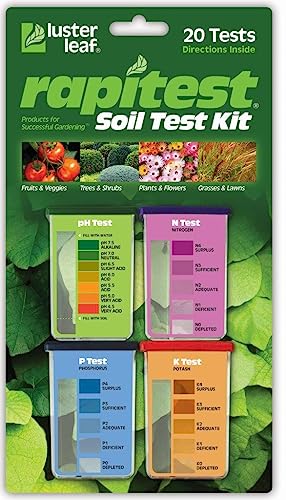
Quick, at home results for Soil pH, Nitrogen, Phosphorous and Potash Innovative and inexpensive soil test kit features an easy-to-use capsule system and patented color comparators

KNOW BEFORE YOU GROW | Grow the healthiest, sustainable lawn and garden with the most accurate and easy to use professional soil test kit on the market

Accurate Soil pH Testing: Dewildetradingco Soil pH Test Strips offer measurements of soil pH levels (pH 3.5-9). As an essential tool for every gardener and grower, these test strips help determine the optimal pH for various plants, such as outdoor plants, indoor plants, gardens, grass lawns, fruit trees, flowers, vegetables, and forest shrubs.
Conclusion
In summary, while almond trees can endure wet soil, it's crucial to address the impact of moisture on their growth and apply proper management techniques.
By tackling common issues and following recommended practices, almond tree survival in wet soil can be optimized.
With attentive care, almond trees can flourish even in less than ideal soil conditions, showcasing their resilience and adaptability.
