

Do you dream of a backyard oasis filled with lush fruit trees, but feel overwhelmed by the sheer variety of options available? Picture this: you step outside your Florida home, greeted by the warm sun, and the sweet scent of ripe fruits hanging from your own trees. Imagine the joy of plucking a fresh, juicy mango or tangy citrus right from your garden.
In this article, you’ll discover the top fruit trees perfectly suited for your Zone 10a garden in Florida. Say goodbye to guesswork and hello to a bountiful harvest! Whether you’re a seasoned gardener or just starting, we’ve got you covered with expert recommendations to ensure your garden flourishes. Get ready to transform your outdoor space into a fruitful paradise with these carefully selected varieties.
Key Takeaways
- Zone 10a in Florida provides a favorable environment for fruit trees with its year-round growing season, abundant sunshine, high humidity levels, specific rainfall patterns, and sandy, well-draining soil.
- Consider climate suitability, sunlight requirements, soil quality, watering needs, pest, and disease management when choosing and caring for fruit trees in Zone 10a to ensure successful cultivation in your home garden.
- Top fruit tree choices for Zone 10a in Florida include citrus trees, avocado trees, mango trees, banana trees, and guava trees, known for thriving in the warm and humid conditions of the region.
- Proper care for fruit trees in Zone 10a involves providing adequate sunlight, maintaining soil moisture levels, enhancing soil quality, fertilizing appropriately, pruning, training, managing pests and diseases, and harvesting fruits at peak ripeness.
Overview of Zone 10a in Florida
In Florida, particularly in Zone 10a, you’re in luck when it comes to cultivating fruit trees. The tropical climate of this zone provides an excellent environment for a variety of fruit trees to thrive. Here’s a brief overview to help you understand the characteristics of Zone 10a in Florida and why it’s ideal for growing fruit trees:
Year-Round Growing Season:
In Zone 10a, you enjoy a year-round growing season with warm temperatures that rarely dip below 30°F (-1°C). This extended growing season allows for multiple harvests throughout the year, making it perfect for a diverse range of fruit trees.
Abundant Sunshine:
With plenty of sunshine in Zone 10a, fruit trees receive the light they need to photosynthesize effectively. This abundant sunlight promotes robust growth and fruit production, ensuring a fruitful yield from your garden.
High Humidity Levels:
Florida’s high humidity levels in Zone 10a create a lush environment that many fruit trees adore. The moisture in the air helps in keeping the trees hydrated and supports the growth of fruits like mangoes, citrus, and avocados.
Rainfall Patterns:
The rainy and dry seasons in Florida impact the water supply for your fruit trees. Be mindful of these patterns to adjust your watering schedule accordingly, ensuring that your trees receive adequate moisture to flourish.
Soil Composition:
The soil in Zone 10a varies, but generally, it tends to be sandy and well-draining. When selecting fruit trees for your garden, consider ones that can adapt to this soil type to thrive and bear fruit successfully.
Pest and Disease Challenges:
While the warm climate in Zone 10a is favorable for fruit trees, it also attracts pests and diseases. Keep an eye out for common issues like citrus greening and scale insects, and implement preventive measures to protect your trees.
Understanding the unique characteristics of Zone 10a in Florida is key to selecting the best fruit trees for your home garden. With the right choices and proper care, you can cultivate a fruitful oasis that will provide you with an abundance of fresh, homegrown fruits to enjoy year-round.
Factors to Consider for Growing Fruit Trees in Zone 10a
When growing fruit trees in Zone 10a, there are specific factors you need to consider to ensure the success of your home garden. Understanding these crucial elements will help you select the best fruit trees and create a thriving oasis right in your backyard.
Recommended Products

Enhanced Growth Benefits: Supports optimal plant health with superior aeration, effective drainage, excellent nutrient retention, and a balanced pH – everything citrus plants need to thrive.

Enriched with Organic Fertilizer – This lemon tree fertilizer provides nutrients for up to 6 months, so your citrus trees stay healthy and productive with minimal upkeep.

Made For Potted Citrus Trees: Our citrus potting soil mix is made for potted lemon, lime, orange and other citrus trees that need a lighter growing medium for repotting. We double-screen all of our raw ingredients to support a cleaner, more consistent texture for pouring and repotting potted citrus trees.
Climate Suitability:
In Zone 10a, you benefit from a tropical climate with mild winters and hot, humid summers. This environment is ideal for a variety of fruit trees that thrive in warm conditions such as mangoes, citrus fruits, and avocados. Ensure you choose fruit trees that can withstand the heat and humidity of Zone 10a.
Sunlight Requirements:
Most fruit trees require ample sunlight to grow and produce quality fruits. In Zone 10a, ensure your fruit trees receive at least 6 to 8 hours of sunlight daily. Consider the placement of your trees to maximize sun exposure and promote healthy growth.
Soil Quality:
The soil composition in Zone 10a can vary, but most fruit trees prefer well-draining soil rich in organic matter. Conduct a soil test to determine the pH levels and nutrient content. Amend the soil as needed to create a fertile environment for your fruit trees to thrive.
Watering Needs:
With the high temperatures in Zone 10a, proper watering is essential for fruit tree growth. Establish a regular watering schedule, ensuring the soil remains consistently moist but not waterlogged. Mulching around the base of the trees can help retain moisture and regulate soil temperature.
Pest and Disease Management:
Zone 10a may be prone to specific pests and diseases that can affect fruit trees. Keep a close eye on your trees for any signs of infestations or infections. Implement integrated pest management strategies and opt for disease-resistant tree varieties to minimize potential issues.
Fruit Tree Selection:
Choose fruit tree varieties that are well-suited for Zone 10a and your specific growing conditions. Consider factors such as space availability, tree size at maturity, fruiting season, and your preference for fruit types. Research local nurseries or gardening centers for recommendations on the best fruit trees for Zone 10a.
By considering these essential factors when growing fruit trees in Zone 10a, you can set yourself up for a bountiful harvest of delicious fruits while creating a beautiful and productive garden space in your Florida backyard.
Best Fruit Trees for Zone 10a Home Gardens in Florida
When selecting fruit trees for your Zone 10a home garden in Florida, it’s crucial to consider varieties that thrive in the region’s specific climate and soil conditions. Here are some top choices that are well-suited for successful cultivation in your area:
Recommended Products

Tropical Fruit Seeds: Grow your own delicious mangoes at home with this set of 3 premium mango tree seeds, perfect for cultivating fresh, sweet tropical fruit right in your garden or indoor space

No CA, Grafted Super Julie Mango Tree: Compact and perfect for smaller spaces, with a tropical, sweet flavor. Best suited for Zones 10-11.

Tropical Fruit Tree: This listing is for a Florida Mango plant, a tropical fruit tree perfect for warm climates.
Citrus Trees
Citrus trees, including oranges, lemons, limes, and grapefruits, are popular options for Florida’s Zone 10a due to their tolerance to the warm climate and sandy soils common in the region. These fruit trees not only provide delicious fruits but also add a vibrant touch to your garden with their glossy green leaves and fragrant blossoms.
Avocado Trees
Avocado trees are excellent choices for Zone 10a gardens, offering creamy fruits rich in healthy fats. Varieties like the ‘Hass’ avocado thrive in the warm weather of Florida and can be a rewarding addition to your garden with proper care and maintenance.
Mango Trees
Mango trees are tropical delights that do well in the warm and humid conditions of Florida. With a wide range of cultivars available, you can choose from different flavors, sizes, and colors of mangoes to suit your preferences. These trees not only provide juicy fruits but also offer lush greenery and shade in your backyard.
Banana Trees
Banana trees can flourish in the subtropical climate of Zone 10a, adding a tropical flair to your garden landscape. Varieties like the ‘Dwarf Cavendish’ banana are popular for their compact size and delicious fruit production. With sufficient sunlight and consistent watering, you can enjoy homegrown bananas in your Florida garden.
Guava Trees
Guava trees are well-adapted to Florida’s climate and are relatively low-maintenance, making them ideal for home gardeners. The ‘Ruby Supreme’ and ‘White Indian’ guava varieties are suitable for Zone 10a, offering sweet and aromatic fruits that can be enjoyed fresh or used in various culinary applications.
Tips for Caring for Fruit Trees in Zone 10a
Planting and nurturing fruit trees in your Zone 10a garden is a rewarding endeavor that requires proper care and attention. To ensure the success of your fruit trees in the warm Florida climate, follow these essential tips:
Recommended Products
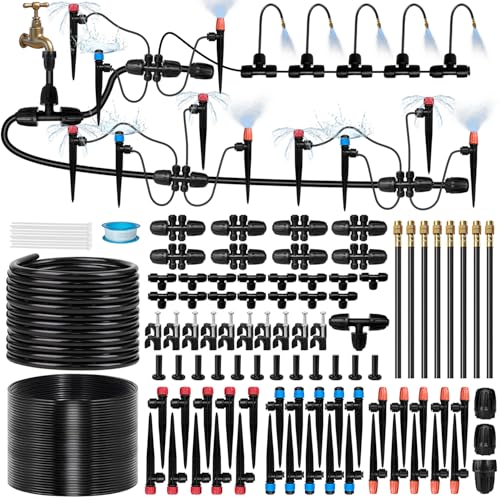
【Upgraded Tube Design & Water Saving】 Our garden watering system is upgraded to 1/2” diameter to support high water pressure. The 1/2” tee connector allows seamless splitting into 2 independent zones for customized watering schedules. By delivering moisture directly to root zones, this drip Irrigation system significantly reduces evaporation and runoff—saving more water compared to conventional sprinklers while eliminating the need for manual watering.
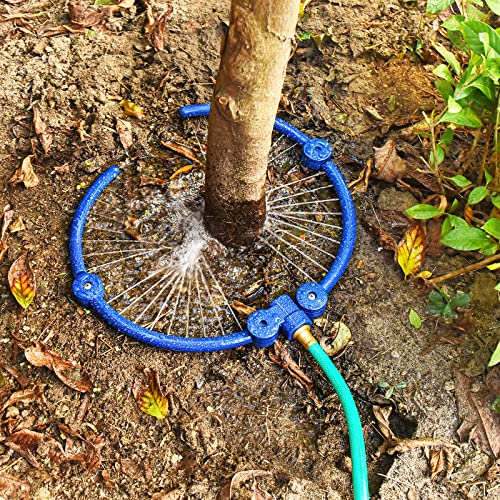
【Specially Designed for Trees and Shrubs】 The Watering Ring is a multi-purpose irrigation ring that attaches to a garden hose to efficiently water young trees shrubs vegetables or flower beds using drip or trickle irrigation.It directs water to the root perimeter of the plant to give them a good start during the first two growing seasons or through periods of drought.

1. Sunlight Needs
- Provide at least 6-8 hours of direct sunlight daily for optimal growth.
- Place your fruit trees in locations where they receive ample sunlight to thrive and bear fruit.
2. Watering Practices
- Keep the soil consistently moist but not waterlogged.
- Water deeply and infrequently to encourage deep root growth and drought tolerance.
- Consider drip irrigation systems to efficiently water your fruit trees.
3. Soil Quality
- Ensure well-draining soil to prevent waterlogged roots.
- Use organic mulch around the base of the trees to retain moisture and suppress weeds.
- Conduct soil tests periodically to adjust pH levels and nutrient deficiencies.
4. Fertilization and Feeding
- Feed your fruit trees with a balanced fertilizer during the growing season.
- Avoid excessive use of nitrogen, especially for young trees, to prevent lush growth at the expense of fruit production.
5. Pruning and Training
- Prune your fruit trees regularly to maintain shape, remove dead/diseased branches, and improve sunlight penetration.
- Train young trees to establish strong frameworks for future fruit production.
6. Pest and Disease Management
- Inspect your fruit trees frequently for signs of pests and diseases.
- Use organic pest control methods whenever possible to protect beneficial insects and pollinators.
- Harvest fruits at their peak ripeness for the best flavor and texture.
- Share your bountiful harvest with friends and neighbors to spread the joy of homegrown fruits.
By following these care tips, you’ll nurture healthy and productive fruit trees in your Zone 10a Florida garden, enjoying delicious fruits while creating a vibrant and fruitful oasis right in your backyard.
Conclusion
You now have a wealth of information on the best fruit trees for your Zone 10a garden in Florida. By selecting suitable varieties like citrus, avocado, mango, banana, and guava, you can create a lush oasis in your backyard. Remember to provide proper care by considering factors like sunlight, watering, soil quality, fertilization, pruning, pest management, and harvesting. With these tips in mind, you’ll be well-equipped to cultivate thriving fruit trees that not only beautify your garden but also yield delicious fruits for you to enjoy. Embrace the warm climate and sandy soils of Florida’s Zone 10a by planting these fruit trees and watch your garden flourish with bountiful harvests. Happy gardening!
Frequently Asked Questions
What fruit trees thrive in Florida’s Zone 10a?
Popular fruit trees that thrive in Florida’s Zone 10a include citrus, avocado, mango, banana, and guava. These options are well-suited to the warm climate and sandy soils of the region.
What care tips are essential for fruit trees in Zone 10a gardens?
Essential care tips for fruit trees in Zone 10a gardens include ensuring adequate sunlight, proper watering practices, maintaining soil quality, appropriate fertilization, regular pruning, effective pest management, and utilizing proper harvesting techniques.
How can gardeners create a backyard oasis with fruit trees in Florida’s Zone 10a?
Gardeners can create a vibrant backyard oasis by cultivating fruit trees like citrus, avocado, mango, banana, and guava in Florida’s Zone 10a. By understanding climate, sunlight, soil quality, watering, and pest management, they can nurture healthy and productive fruit trees for a fruitful oasis experience.
