

Banana trees can thrive in Seattle’s climate with proper care and disease management. Key strategies include selecting cold-hardy varieties and implementing effective watering and fertilization practices to combat the Pacific Northwest’s unique challenges.
Hardy Banana Varieties for Seattle’s Climate
Choosing the right banana tree variety is crucial for successful growth in Seattle’s cooler climate. Cold-hardy options such as the Musa basjoo and Musa sikkimensis can withstand temperatures as low as 10°F. These varieties not only tolerate the Pacific Northwest’s rainy conditions but also offer resilience against common diseases.
Recommended Products
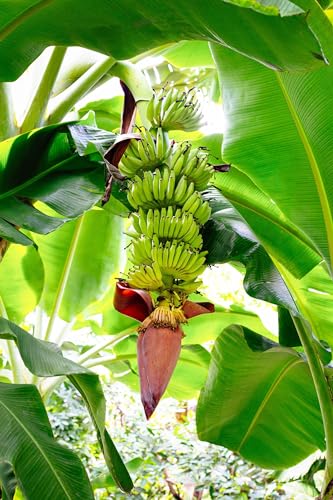
Live Plants for Planting 🌱 – Includes 4 rooted Musa basjoo banana plants, ready to plant in your garden or large pots.
![Greenwood Nursery: Live Perennial Plants - Musa Basjoo Cold Hardy Banana - [Qty: 2X Pint Pots] - (Click for Other Available Plants/Quantities)](https://m.media-amazon.com/images/I/51cl7jVVE3L._SL500_.jpg)
🌿 [INFO1] - Gives a tropical look to your garden. Grows from the Southern U.S. all the way to the southern part of Canada. A hardy Flowering Banana plant provides a tropical plant or jungle garden feel for pool landscapes, zen gardens and also makes an excellent container plant for porches, decks, patios & sunny areas of the house. The yellow orange flowers will produce small ornamental fruits that are not edible.

CHOOSE YOUR FAVORITE BANANA VARIETY – Select from Grand Nain, Dwarf Cavendish, Double Mahoi, Curly Tiny, or Basjoo Banana plants. Each variety offers unique characteristics, from sweet edible fruit to striking ornamental foliage and cold-hardy landscape performance.
Hardy Banana Varieties for Seattle Climate
In Seattle’s unique climate, selecting hardy banana varieties is essential for successful cultivation. With the region’s cool temperatures and frequent rainfall, certain types of bananas thrive better than others. Understanding which varieties can withstand these conditions will help gardeners enjoy fruitful harvests despite the challenges posed by the Pacific Northwest environment.
Musa basjoo: Known for its hardiness and fast growth, this variety can reach heights of 10-15 feet.
Musa sikkimensis: Features attractive foliage and can survive colder temperatures, making it ideal for Seattle gardens.
Dwarf Orinoco: A smaller option that produces sweet fruit and is more manageable in urban settings.
| Variety | Height | Cold Tolerance | Fruit Production |
|---|---|---|---|
| Musa basjoo | 10-15 feet | 10°F | Yes |
| Musa sikkimensis | 8-12 feet | 10°F | Yes |
| Dwarf Orinoco | 4-6 feet | 20°F | Yes |
Rainfall Effects on Banana Tree Health
In Seattle’s unique climate, the interplay between rainfall and banana tree health is crucial for successful cultivation. Understanding how the region’s precipitation patterns affect growth, disease susceptibility, and overall vitality can help gardeners and horticulturists make informed decisions. This section delves into the specific impacts of rainfall on banana trees in the Pacific Northwest.
Seattle’s rainfall can lead to waterlogged soil and root rot, which can severely affect banana trees. Proper drainage is essential to prevent these issues. Implementing raised beds can help improve drainage and promote healthy root systems.
Watering Techniques for Banana Trees
Effective watering techniques are crucial for the health of banana trees, especially in the unique climate of Seattle, WA. Given the region’s frequent rain and potential for disease, understanding how to balance moisture levels can significantly impact growth and fruit production. This section explores various methods to ensure your banana trees receive the right amount of water throughout the year.
Soil Preparation: Use well-draining soil mixes that include organic matter to enhance drainage.
Watering Schedule: Water only when the top inch of soil feels dry to the touch.
Mulching: Apply a layer of mulch to retain moisture while preventing excess water accumulation.
Banana Tree Disease Prevention Strategies
In Seattle’s unique climate, banana trees face specific challenges from rain and diseases that can hinder their growth. Understanding effective disease prevention strategies is essential for gardeners looking to cultivate these tropical plants successfully. This section explores practical methods to protect banana trees from common ailments while thriving in the Pacific Northwest’s conditions.
Banana trees are susceptible to various diseases, particularly in wet climates. Fungal infections like Panama disease and Black Sigatoka can devastate crops. Regular monitoring and preventive measures are essential for maintaining healthy plants.
Recommended Products

CURES & PREVENTS LAWN DISEASES: Fungus Control for Lawns controls and prevents listed lawn diseases when used as directed; Can be used on all lawn types; Use only on lawns

3-in-1 FORMULA: Aphid spray for outdoor plants for use on roses, flowers, shrubs and trees to control listed insects, disease and mites
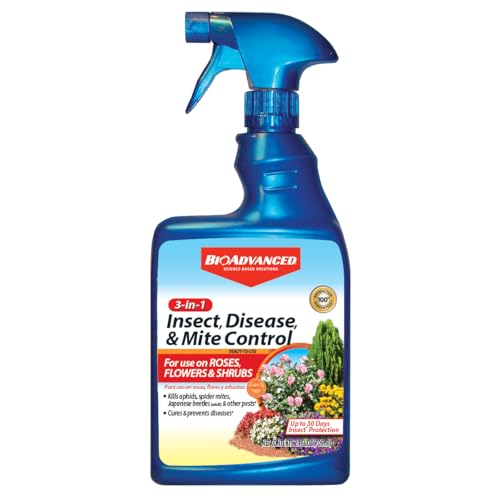
INSECT KILLER: Army worm killer. Also kills insects such as Aphids, Spider Mites, Japanese Beetles, Caterpillars, and other listed insects
Managing Panama Disease in Banana Trees
Managing Panama disease is crucial for the health of banana trees in Seattle’s unique climate. This section explores effective strategies for preventing and controlling this devastating fungal infection, ensuring that banana enthusiasts can enjoy thriving plants despite the challenges posed by the Pacific Northwest’s wet conditions. Understanding these management techniques is essential for successful banana cultivation in the region.
Panama Disease: Caused by a soil-borne fungus, this disease can be managed by rotating crops and avoiding infected soil.
Black Sigatoka: This leaf spot disease thrives in humid conditions. Use fungicides and remove infected leaves to control its spread.
| Disease | Symptoms | Management Strategies |
|---|---|---|
| Panama Disease | Yellowing leaves | Crop rotation, soil testing |
| Black Sigatoka | Dark streaks on leaves | Fungicides, leaf removal |
Fertilizer Strategies for Banana Tree Health
Fertilizing banana trees in Seattle requires a tailored approach that considers the unique climate and soil conditions of the Pacific Northwest. Proper nutrient management is essential for promoting healthy growth and resilience against local diseases. This section explores effective fertilizer strategies to ensure your banana trees thrive despite the region’s challenges.
Fertilizing banana trees correctly is vital for their growth and fruit production. A balanced fertilizer with a higher potassium content supports fruit development and overall health.
Fertilization Timing for Banana Trees
Fertilizing banana trees at the right time is crucial for their growth and productivity, especially in the unique climate of Seattle, WA. Understanding the specific nutrient needs and optimal application periods can help mitigate the challenges posed by the Pacific Northwest’s rainy conditions and potential diseases. This section explores effective fertilization strategies tailored for banana trees in this region.
Spring Application: Use a balanced fertilizer every 6-8 weeks during the growing season.
Fall Application: Reduce fertilization as temperatures drop, focusing on potassium-rich options.
| Fertilizer Type | N-P-K Ratio | Application Frequency |
|---|---|---|
| Balanced Fertilizer | 10-10-10 | Every 6-8 weeks |
| Potassium-Rich Fertilizer | 5-10-20 | Every 8-10 weeks |
Winter Care Techniques for Banana Trees
Winter care is crucial for banana trees in Seattle, where the Pacific Northwest’s wet climate can pose challenges. Proper techniques not only protect these tropical plants from cold temperatures but also help mitigate the risks associated with excess moisture and disease. Understanding these methods ensures healthier growth and better yields when warmer weather returns.
Winter in Seattle can be harsh for banana trees. Protecting them from freezing temperatures is essential for their survival. Simple techniques can help ensure that your trees remain healthy through the colder months.
Frost Protection Techniques for Banana Trees
Banana trees thrive in warm climates, but in Seattle’s cooler environment, frost can pose a significant threat to their survival. Implementing effective frost protection techniques is essential for gardeners in the Pacific Northwest to ensure healthy growth and fruit production. This section explores various methods to shield banana trees from frost damage.
Wrapping: Use burlap or frost cloth to wrap the trunks and protect them from frost.
Mulching: Apply a thick layer of mulch around the base to insulate roots.
Container Growing: Consider growing smaller varieties in pots for easy relocation indoors during winter.
Always monitor weather forecasts and be prepared to take action if temperatures drop unexpectedly.
Banana Tree Care Strategies for Seattle
Caring for banana trees in Seattle presents unique challenges due to the region’s wet climate and potential disease threats. Understanding effective care strategies is essential for successful growth and fruit production. This section explores practical approaches to nurture banana trees in the Pacific Northwest, ensuring they thrive despite environmental hurdles.
Successfully growing banana trees in Seattle requires careful selection of varieties and proactive management of water and disease. By implementing effective strategies, you can enjoy healthy banana trees that thrive in the Pacific Northwest’s unique climate.
