

Spraying copper fungicide on apple trees is crucial for preventing fungal diseases like apple scab and powdery mildew. The ideal timing for application is before bloom and during the growing season, particularly after rain events, to maximize effectiveness and protect your crop.
Copper Fungicide Application Advantages
Copper fungicide is a widely used treatment for various fungal infections in apple trees. It acts as a preventative measure, protecting against pathogens that thrive in moist conditions. The fungicide works by disrupting the cellular processes of fungi, effectively inhibiting their growth. Using this product can help ensure a healthy harvest by reducing the risk of disease.
Recommended Products
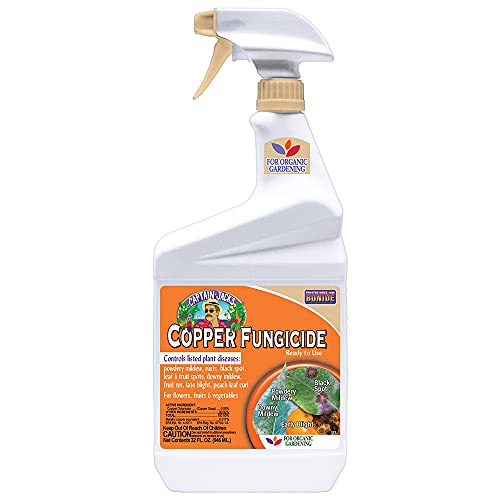
Control fungus and disease in your garden with Captain Jack’s ready-to-use Liquid Copper Fungicide!

Control fungus and disease in your garden with Captain Jack’s ready-to-spray Liquid Copper Fungicide!

For control of disease on vegetables, ornamentals, Fruit and nut crops & algae in turfgrass
Copper Fungicide Application Supplies
To effectively manage fungal diseases on apple trees, having the right supplies for copper fungicide application is essential. This section outlines the necessary equipment and materials needed for optimal coverage and efficacy, ensuring that your trees receive the protection they need at the right time. Proper preparation will enhance your efforts in maintaining healthy apple trees throughout the growing season.
Before applying copper fungicide, gather the necessary equipment and supplies. Proper preparation ensures effective treatment and safety during application. Here’s a checklist to consider:
| Item | Purpose |
|---|---|
| Copper fungicide | Active ingredient |
| Personal protective equipment | Safety gear |
| Spray applicator | Even distribution |
| Water | Dilution medium |
| Measuring container | Accurate dosage |
Copper Fungicide Application Safety Guidelines
Taking safety precautions is essential when applying copper fungicide. Always wear protective gear, including gloves, goggles, and a mask, to avoid skin and respiratory irritation. Ensure that the area is well-ventilated. Before starting, read the product label for specific instructions and recommended dosages. Following these guidelines will help you apply the fungicide effectively while minimizing health risks.
Optimal Timing for Copper Fungicide Application
Understanding the optimal timing for applying copper fungicide on apple trees is crucial for effective disease management. This guide will provide insights into the best periods for application, ensuring your trees remain healthy and productive. By following these expert recommendations, you can maximize the benefits of copper fungicide and protect your apple crop from fungal threats.
Timing is critical when applying copper fungicide. Follow these steps for optimal results:
Monitor weather conditions. Check for rain forecasts and humidity levels.
Prepare the solution. Mix the recommended amount of copper fungicide with water according to the label instructions.
Apply before bloom. Spray the trees thoroughly when buds begin to swell but before flowers open.
Reapply after rain. If heavy rain occurs, reapply the fungicide to maintain protection.
Follow up during growth. Continue to monitor and spray every 7-14 days during the growing season, especially after wet weather.
Optimal Timing for Copper Fungicide Application
Understanding the optimal timing for copper fungicide application is crucial for protecting apple trees from diseases. Applying it at the right moment can significantly enhance the health and yield of your trees. This section will outline the best practices and specific timing recommendations to ensure effective disease management.
Choosing the right time to spray copper fungicide is vital for its effectiveness. Here are the main timing guidelines:
Pre-bloom: Apply when buds swell to protect new growth.
Post-rain: Reapply after significant rainfall to combat potential fungal outbreaks.
Growing season: Continue applications every 7-14 days based on weather conditions and disease pressure.
Common Mistakes to Avoid
When applying copper fungicide to apple trees, timing and technique are crucial for effective disease management. However, many gardeners make common mistakes that can undermine their efforts. Understanding these pitfalls can help ensure your application is both safe and successful, maximizing the health of your apple trees.
Avoiding common pitfalls can enhance the effectiveness of your copper fungicide application. Here are some mistakes to watch for:
Incorrect dosage: Always measure accurately to avoid phytotoxicity.
Ignoring weather: Failing to consider rain forecasts can wash away treatments.
Neglecting safety: Skipping protective gear can lead to health issues.
Copper Fungicide Application Timing Risks
Applying copper fungicide at the wrong time can lead to ineffective treatment and potential harm to your apple trees. Understanding the risks associated with timing is crucial for maximizing the benefits of this fungicide while minimizing damage to your plants and the surrounding environment. This section will explore the key timing considerations to ensure successful application.
Do not apply copper fungicide during flowering to avoid harming pollinators.
Monitoring Copper Fungicide Results
After applying copper fungicide, monitor your apple trees for signs of fungal diseases. Look for improvements in leaf health and fruit quality. If issues persist, reassess your application timing and dosage. Regularly inspect your trees to ensure that the treatment is working as intended.
Optimal Timing for Copper Fungicide Application
Understanding the optimal timing for applying copper fungicide is crucial for maintaining healthy apple trees. Proper application can significantly reduce the risk of fungal diseases, ensuring a bountiful harvest. This section outlines the best practices and specific timing recommendations to maximize the effectiveness of copper fungicide treatments.
Proper timing and technique are essential for effective copper fungicide application on apple trees. Following the guidelines outlined in this guide will help maintain healthy trees and maximize your harvest.
