

Banana trees can thrive in Oklahoma’s heat and variable soil with proper care and attention. By selecting the right banana varieties and implementing effective soil management techniques, you can successfully grow these tropical plants in a less-than-ideal climate.
Best Banana Varieties for Oklahoma’s Climate
When selecting banana varieties for Oklahoma’s unique climate, it’s essential to consider heat tolerance and adaptability to varying soil conditions. Certain cultivars thrive despite the challenges posed by temperature fluctuations and soil types, making them suitable choices for local gardeners. This section explores the best banana varieties that can flourish in Oklahoma’s environment.
Choosing the correct banana variety is crucial for successful cultivation in Oklahoma. Some varieties are more resilient to heat and can adapt to fluctuating soil conditions. Consider the following options:
Dwarf Cavendish: This variety is compact and produces sweet fruit. It thrives in warm climates and is more tolerant of drought.
Lady Finger: Known for its small size and sweet flavor, this variety is also heat-tolerant and can handle variable soil types.
Blue Java: Also known as “ice cream banana,” this variety is unique for its flavor and cold tolerance, making it suitable for Oklahoma’s temperature swings.
Recommended Products

CHOOSE YOUR FAVORITE BANANA VARIETY – Select from Grand Nain, Dwarf Cavendish, Double Mahoi, Curly Tiny, or Basjoo Banana plants. Each variety offers unique characteristics, from sweet edible fruit to striking ornamental foliage and cold-hardy landscape performance.
CHOOSE YOUR FAVORITE BANANA VARIETY – Select from Grand Nain, Dwarf Cavendish, Double Mahoi, Curly Tiny, or Basjoo Banana plants. Each variety offers unique characteristics, from sweet edible fruit to striking ornamental foliage and cold-hardy landscape performance.

Soil Management Tips for Oklahoma Banana Trees
Successfully growing banana trees in Oklahoma requires careful attention to soil management, given the state’s unique climate and soil variability. Implementing effective strategies can help ensure that these tropical plants thrive despite the challenges posed by heat and inconsistent soil conditions. The following tips will guide you in creating an optimal environment for your banana trees.
Banana trees prefer well-draining soil that retains moisture without becoming waterlogged. The soil’s pH should ideally range from 5.5 to 7.0. Here are some essential soil management tips:
Test Soil pH: Use a soil testing kit to determine pH levels. Adjust with lime to raise pH or sulfur to lower it.
Add Organic Matter: Incorporate compost or well-rotted manure to improve soil structure and nutrient content.
Ensure Drainage: If your soil retains too much water, consider raised beds to enhance drainage.
| Soil Type | Moisture Retention | Drainage Quality | Nutrient Content |
|---|---|---|---|
| Sandy | Low | Excellent | Low |
| Clay | High | Poor | Moderate |
| Loamy | Moderate | Good | High |
Effective Watering Strategies for Banana Trees
Banana trees thrive in warm climates, but in Oklahoma’s heat and diverse soil conditions, proper watering is crucial for their survival. Understanding effective watering strategies can help ensure these tropical plants receive the moisture they need to flourish. This section explores practical methods to maintain optimal hydration for banana trees in this unique environment.
Proper watering is vital for banana trees, especially in Oklahoma’s hot summers. Here are effective watering strategies:
Deep Watering: Water deeply once a week to encourage deep root growth. This method helps the tree withstand drought conditions.
Mulching: Apply a layer of organic mulch around the base. This conserves moisture and regulates soil temperature.
Drip Irrigation: Consider installing a drip irrigation system for efficient water delivery directly to the roots.
Recommended Products
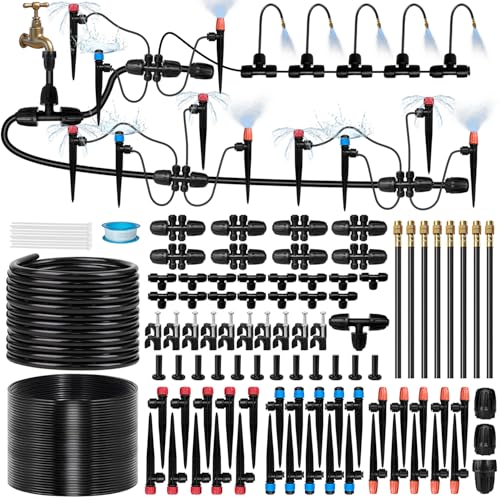
【Upgraded Tube Design & Water Saving】 Our garden watering system is upgraded to 1/2” diameter to support high water pressure. The 1/2” tee connector allows seamless splitting into 2 independent zones for customized watering schedules. By delivering moisture directly to root zones, this drip Irrigation system significantly reduces evaporation and runoff—saving more water compared to conventional sprinklers while eliminating the need for manual watering.

1/4 INCH IRRIGATION TUBING: Create a feeder line that supplies water to a low-flow, drip-watering device, or use as a main line in a small drip irrigation system; for trees, shrubs, flower beds, groundcover, vegetable gardens, and planters

🍀【Extra-Long 50FT 5/16” Mainline Tubing】 With 50 feet of premium 5/16” main tubing, you have more flexibility to build a central watering path across larger garden layouts. The enhanced flow capacity supports multiple emitters with consistent water pressure throughout your irrigation zones.
Fertilization Techniques for Oklahoma Banana Trees
Successful cultivation of banana trees in Oklahoma requires careful attention to fertilization techniques that cater to the state’s unique climate and soil conditions. Given the challenges posed by heat and variable soil quality, employing the right fertilization strategies is essential for promoting healthy growth and maximizing fruit production. This section explores effective methods tailored specifically for Oklahoma’s banana tree growers.
Regular fertilization is necessary to support the growth of banana trees. Use a balanced fertilizer with a higher potassium content for better fruit production.
Timing: Fertilize every 4-6 weeks during the growing season, typically from spring to late summer.
Type of Fertilizer: Use a slow-release granular fertilizer or liquid fertilizer that is high in potassium.
Application Method: Apply fertilizer evenly around the base of the tree, avoiding direct contact with the trunk.
Recommended Products

PREMIUM FUEL LIQUID FERTILIZER: Wellspring Gardens Banana Fuel Liquid Fertilizer Concentrate provides a quality nutrient blend with minor elements that could grow your plants. Its 3-1-6 formula ratio is the ideal fertilizer ration according to University of Florida which is what our product is made of.
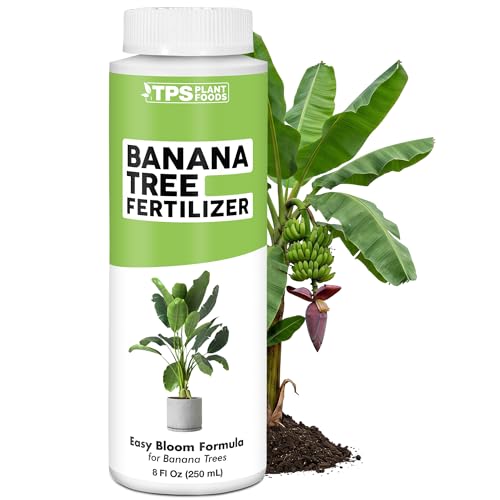
Made for Banana Trees – Specially formulated banana fertilizer designed to support the nutrient needs of banana plants.

Let our professionally formulated plant food help your fruit tree grow healthy, strong AND abundantly producing
Pest Control Techniques for Banana Trees
Effective pest control is essential for maintaining healthy banana trees in Oklahoma’s challenging climate. With the region’s heat and variable soil conditions, understanding the specific pests that threaten these plants can help growers implement targeted strategies. This section explores various techniques to protect banana trees from pests while ensuring optimal growth and fruit production.
Banana trees can be susceptible to pests and diseases, which can hinder growth and yield. Implement the following management strategies:
Regular Inspections: Check leaves and stems for signs of pests like aphids or spider mites. Early detection is key.
Natural Predators: Encourage beneficial insects like ladybugs to control pest populations.
Fungicide Treatments: Use fungicides to manage diseases such as Panama disease or black sigatoka, especially in humid conditions.
Logistical Considerations for Banana Cultivation in Oklahoma
When cultivating banana trees in Oklahoma, understanding the logistical aspects is crucial for success. Factors such as climate variability, soil conditions, and irrigation practices play significant roles in ensuring healthy growth and fruit production. This section delves into the essential logistical considerations that aspiring growers should keep in mind.
Successfully growing banana trees in Oklahoma requires careful planning and execution. Here are some logistical considerations:
Location: Choose a sunny spot with protection from strong winds. A south-facing wall can provide extra warmth.
Seasonal Care: Prepare for winter by wrapping the trunks with burlap or using frost cloths to protect against cold temperatures.
Harvesting: Monitor fruit development closely. Bananas should be harvested when they start to change color but are still firm.
Essential Strategies for Thriving Banana Trees
To ensure your banana trees thrive in Oklahoma, focus on selecting the right varieties, managing soil effectively, and implementing proper watering and fertilization techniques. Regularly inspect for pests and diseases to maintain plant health. With these strategies, you can enjoy a fruitful banana harvest in a challenging climate.
