

Have you ever wondered if you need two orange trees to enjoy a bountiful harvest? You’re not alone. Many aspiring gardeners face this question while dreaming of juicy oranges in their backyard.
Growing fruit trees can be rewarding, but understanding their needs can be tricky. In this article, you’ll learn whether one tree is enough or if planting a pair is the secret to a fruitful garden. By the end, you’ll have the knowledge to make the best choice for your orange tree adventure.
Key Takeaways
- A single orange tree can produce fruit on its own if it’s a self-pollinating variety, such as certain navel orange trees.
- Planting two orange trees can enhance fruit production by allowing cross-pollination, which increases the yield and quality of the fruit.
- Benefits of multiple trees include higher overall fruit production, diverse fruit varieties, and improved pollination outcomes.
- Selecting the right tree varieties is crucial based on local climate and conditions; ensure proper spacing, watering, and fertilization.
- Tree age and health significantly impact fruit production; mature trees typically yield the best results, while environmental conditions also play a key role.
- Having multiple orange trees fosters genetic diversity, improving the trees’ resilience to pests and diseases, and helps ensure a consistent harvest.
Do You Need 2 Orange Trees to Produce Fruit?
You don’t need two orange trees to produce fruit. A single orange tree can indeed bear fruit on its own, especially if it’s a self-pollinating variety. Self-pollinating trees, like certain navel orange trees, contain both male and female parts within a single flower, allowing them to fertilize themselves without another tree nearby.
However, planting two trees can enhance fruit production. Cross-pollination occurs when pollen from one tree fertilizes the flower of another. This process can increase fruit yield and improve fruit quality. You can consider varieties like Valencia oranges, which benefit from having a partner tree nearby for optimal pollination.
Recommended Products

Do not plant in a container, only in the ground. All pictures are of fully grown plants. Sizes shipped are in the title and description. Deciduous plants do not have leaves in the winter.
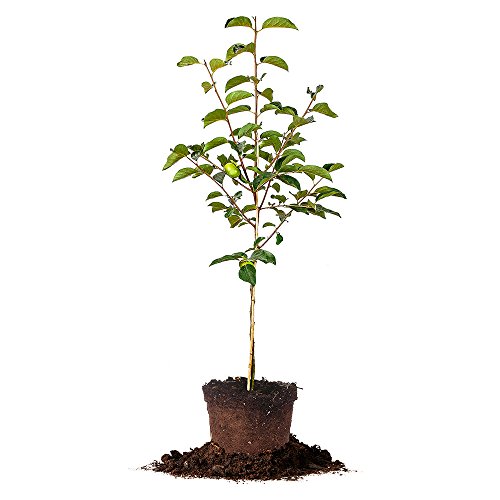
The Fuyu Persimmon is a non-astringent, sweet, delicious treat

Package Includes: you will receive 2 artificial orange trees with realistic patterns and bright colors, which make people feel like they are in a real orange tree and enhance the beauty of the environment
Benefits of Multiple Trees
- Increased Yield: More trees lead to higher overall fruit production.
- Variety of Fruit: Different varieties can offer distinct flavors and uses.
- Better Pollination: Cross-pollination improves fruit set and size.
Choosing the Right Tree
Select the right varieties based on your climate and space. For example, if you live in a warmer climate, your choices expand significantly. Look for hardy types if your area experiences cold temperatures.
- Confirm Site Conditions: Check for sun exposure and soil quality.
- Space Trees Properly: Allow 10 to 15 feet between trees for proper growth.
- Water and Fertilize: Ensure adequate irrigation and nutrient supply.
If you want a fruitful orange tree garden, consider planting two trees. While a single tree suffices, pairing trees enhances your chances for a bountiful harvest.
Understanding Orange Tree Pollination
Pollination plays a crucial role in the fruit production of orange trees. It involves transferring pollen from the male part of a flower to the female part, allowing fertilization to occur and fruits to develop.
Recommended Products

The resulting fruit can be used for juicing, culinary purposes, or consumed fresh, suitable for various uses in the home kitchen.

Cultivate your own blood orange tree, famous for its stunning crimson flesh, sweet-tart flavor with raspberry notes.

1. Peel the fruit directly and remove the seeds.
The Role of Pollination in Fruit Production
Pollination directly affects the quantity and quality of the fruit. Proper pollination leads to more fruit set and better-shaped oranges. Many factors influence pollination success, including weather conditions, the presence of pollinators, and the type of orange tree.
For example, if wind or insects transfer pollen effectively, you might see a higher yield. Conversely, harsh weather, such as heavy rain during blooming, can reduce the chances of successful pollination.
Self-Pollinating vs. Cross-Pollinating Trees
Self-pollinating orange trees can produce fruit without another tree nearby. These trees, like certain navel orange varieties, possess flowers that can fertilize themselves.
In contrast, cross-pollinating trees benefit from having another tree nearby. This situation can enhance fruit yield and improve fruit quality. Planting different varieties of orange trees promotes cross-pollination, leading to a broader array of flavors and potentially larger fruits.
If you opt for two trees, choose compatible varieties. This strategy ensures better pollen exchange, maximizing your harvest potential.
Factors Affecting Fruit Production
Several factors influence the fruit production of orange trees. Understanding these factors can help you optimize your garden for a better harvest.
Tree Age and Health
Tree age plays a significant role in fruit production. Younger trees, typically under three years old, may not produce fruit or yield only a small quantity. Mature trees between five to ten years often bear the most fruit, while older trees may see a decline in production. Regular maintenance is essential to keep your trees healthy. Check for signs of disease or pests, and address any issues promptly. Healthy trees produce better-quality fruit.
Environmental Conditions
Environmental conditions directly impact fruit production. Orange trees thrive in well-drained, sandy soils with a pH between 5.5 and 6.5. Proper sunlight is crucial; trees need at least six to eight hours of direct sun daily. Watering carefully helps, as orange trees require deep watering during dry spells but dislike standing water. Additionally, consider the climate; orange trees flourish in USDA hardiness zones 9 to 11. Protect your trees from extreme weather events like heavy frosts or scorching heat, as these conditions can affect flowering and fruit set.
Benefits of Having Multiple Orange Trees
Planting multiple orange trees comes with several advantages that boost your chances of a successful harvest. These benefits include increased yields and improved tree resilience through genetic diversity.
Increased Yield Potential
Having two or more orange trees significantly enhances your yield potential. When you plant multiple trees, cross-pollination increases fruit production. Self-pollinating trees can produce fruit alone, but with another tree nearby, you’ll notice larger quantities and higher quality fruit. For example, if one tree yields 50 oranges, two trees may generate 100 or more when cross-pollination occurs.
Genetic Diversity and Resilience
Genetic diversity among your orange trees promotes better overall health and resilience. Different tree varieties can adapt to varying environmental conditions and resist pests more effectively. If one tree encounters a disease, having another variety nearby can minimize the risk of losing your entire crop. Furthermore, diversifying your trees helps ensure consistent fruit production, even with changing weather patterns. For instance, if one tree species struggles with a particularly hot summer, another species may thrive, providing you with a reliable harvest.
Conclusion
Whether you choose to plant one or two orange trees, you’re on the right path to enjoying fresh fruit from your garden. A single self-pollinating tree can produce fruit on its own but having two trees can really boost your harvest.
You’ll not only get more fruit but also a variety of flavors and healthier trees. Remember that factors like tree age, health, and environmental conditions play a big role in your success.
So as you plan your garden, consider the benefits of planting multiple trees for a fruitful and vibrant orange tree experience. Happy gardening!
Frequently Asked Questions
Can one orange tree produce fruit?
Yes, a single orange tree can produce fruit, especially if it is a self-pollinating variety, like certain navel orange trees. However, the yield may be lower compared to trees planted with others.
Why should I plant two orange trees?
Planting two orange trees can significantly enhance fruit production through cross-pollination. This process improves yield, fruit quality, and provides a variety of flavors.
What factors affect orange tree fruit production?
Key factors include tree age, health, environmental conditions, proper watering, and adequate sunlight. Younger trees or those under stress may produce less fruit.
How does pollination affect orange tree yields?
Pollination is critical for fruit development. Successful pollination, often aided by bees and weather conditions, leads to fertilization, significantly boosting the quantity and quality of fruit.
What are ideal growing conditions for orange trees?
Orange trees thrive in well-drained, sandy soils with plenty of sunlight (at least six to eight hours daily). Proper care, including watering and protection from harsh weather, is also essential.
