

Cherry trees can grow in Minnesota, but their success largely depends on selecting the right varieties that can withstand severe cold temperatures. Many cherry tree species exhibit varying levels of cold resistance, making it crucial to choose those that thrive in Minnesota’s harsh winters.
Cold-Tolerant Cherry Tree Varieties for Minnesota
When considering cherry trees for Minnesota’s harsh winters, selecting cold-tolerant varieties is essential. These trees not only survive but can thrive in the state’s severe cold, offering beautiful blooms and delicious fruit. Understanding which specific varieties can withstand the frigid temperatures will help gardeners make informed choices for successful cultivation.
Different cherry tree varieties have varying levels of cold tolerance. The most suitable types for Minnesota include:
Montmorency: A tart cherry known for its hardiness and adaptability.
North Star: A dwarf sour cherry that thrives in colder climates.
Meteor: Another tart cherry that offers excellent cold resistance.
These varieties have been bred specifically to endure the cold winters typical of Minnesota, making them ideal for local gardeners.
Essential Factors for Cherry Tree Success in Minnesota
Growing cherry trees in Minnesota presents unique challenges due to the state’s severe cold climate. Understanding the essential factors that influence their success is crucial for gardeners looking to cultivate these beautiful trees. From selecting the right varieties to implementing effective care strategies, each element plays a vital role in ensuring healthy growth and fruitful harvests.
When planting cherry trees in Minnesota, several factors play a crucial role in their growth and fruit production. Consider the following:
Soil Quality: Well-draining soil is essential for cherry trees. Heavy clay or waterlogged soils can lead to root rot.
Sunlight: Cherry trees require full sun for optimal growth. Aim for at least six hours of direct sunlight daily.
Watering: Consistent moisture is vital, especially during the growing season. However, avoid overwatering.
Proper attention to these factors can significantly enhance the chances of successful cherry tree cultivation.
Cherry Tree Varieties for Cold Climates
When considering cherry trees for Minnesota’s harsh winters, it’s essential to choose varieties that can withstand severe cold. Some cherry tree types have been specifically bred for cold climates, offering resilience against freezing temperatures while still producing delicious fruit. This section explores the best options for successful cherry cultivation in Minnesota’s challenging environment.
| Cherry Variety | Cold Hardiness Zone | Fruit Type | Growth Habit | Typical Height |
|---|---|---|---|---|
| Montmorency | 4-7 | Tart | Upright | 10-15 feet |
| North Star | 4-7 | Tart | Dwarf | 6-8 feet |
| Meteor | 4-7 | Tart | Upright | 8-10 feet |
| Bing | 5-8 | Sweet | Spreading | 15-20 feet |
This table summarizes the most suitable cherry tree varieties for Minnesota, highlighting their cold hardiness and growth characteristics.
Recommended Products
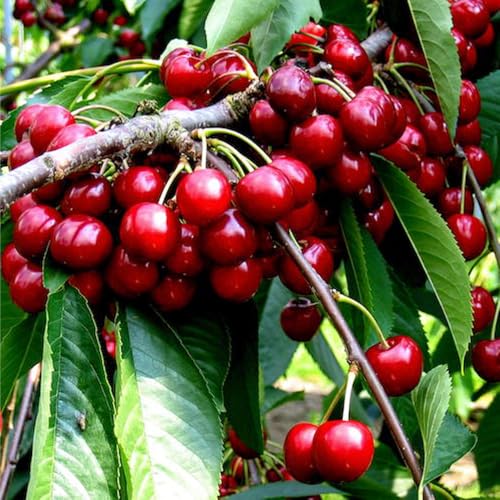
Product Quantity: 10+ organic cherry seeds per packet; Premium selection for optimal viability; Perfect for starting multiple trees

Cherry tree 3-4 feet tall. Not available in CA
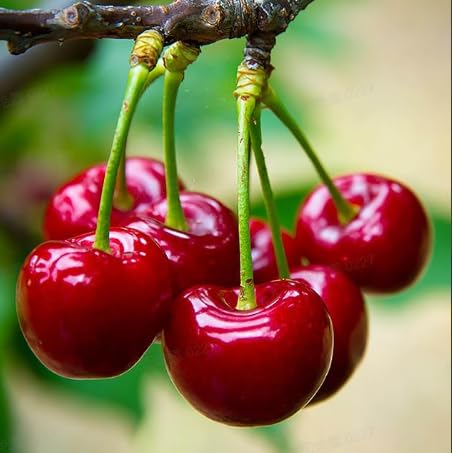
Basic Seed Attributes & Planting Scenarios: 20 Pcs Cherry Tree Seeds, non-GMO heirloom variety, with sweet and tender juicy fruits, suitable for home garden cultivation, and can be planted both indoors and outdoors.
Cherry Tree Planting Preparation Steps
Successfully planting cherry trees in Minnesota requires careful preparation to ensure they thrive in the state’s severe cold conditions. Understanding the specific steps for site selection, soil testing, and proper planting techniques is crucial for fostering healthy growth and maximizing fruit production. This guide outlines essential preparatory measures to help gardeners navigate the challenges of Minnesota’s climate.
Preparation is essential for successful cherry tree planting. Follow these steps:
Select a Planting Site: Choose a location with well-draining soil and full sun exposure.
Test Soil pH: Ideal pH levels for cherry trees are between 6.0 and 7.
Amend the soil as necessary.
Dig the Hole: Ensure the hole is twice as wide as the root ball and deep enough to accommodate the roots without bending.
Proper preparation sets the foundation for healthy cherry tree growth.
Cherry Tree Maintenance Strategies in Cold Climates
Maintaining cherry trees in cold climates like Minnesota requires specific strategies to ensure their health and productivity. Understanding the unique challenges posed by severe cold is essential for successful cultivation. This section explores effective maintenance techniques tailored to help cherry trees thrive despite harsh winter conditions.
Maintaining cherry trees requires ongoing care and attention. Focus on these logistics:
Pruning: Regularly prune to remove dead or diseased branches and promote air circulation.
Fertilizing: Use a balanced fertilizer in early spring to support growth.
Pest Management: Monitor for common pests such as aphids and cherry fruit flies. Use organic pesticides when necessary.
Following these care guidelines will help ensure healthy cherry trees and a bountiful harvest.
Cherry Tree Growth Obstacles in Minnesota
Growing cherry trees in Minnesota presents unique challenges due to the state’s harsh winters and fluctuating temperatures. Understanding these obstacles is crucial for gardeners and horticulturists looking to cultivate these beautiful trees successfully in a region known for its severe cold. This section explores the specific factors that can hinder cherry tree growth in Minnesota’s climate.
Growing cherry trees in Minnesota comes with its challenges. Be aware of the following:
Frost Damage: Late spring frosts can damage blossoms. Consider using frost cloths to protect trees during unexpected cold snaps.
Diseases: Cherry trees are susceptible to diseases like powdery mildew and cherry leaf spot. Regular inspections can help catch issues early.
Addressing these challenges proactively will enhance the success of your cherry tree cultivation efforts.
Cherry Tree Variety and Climate Adaptation
When considering cherry trees in Minnesota, understanding the specific varieties that thrive in colder climates is crucial. Certain types have adapted to withstand severe cold, making them suitable for the region. This section explores the characteristics of these varieties and their resilience to Minnesota’s challenging weather conditions.
Choosing the right cherry tree variety and understanding the local climate are critical for successful growth in Minnesota. Proper care and attention to detail will lead to fruitful trees that thrive in the cold.
