

Are your fruit trees looking a bit unruly this spring? You’re not alone. Many gardeners face the challenge of maintaining healthy and productive trees. Pruning can feel overwhelming, but it’s a vital step to ensure your trees thrive and produce an abundance of fruit.
Key Takeaways
- Understanding the Importance of Pruning: Regular pruning of fruit trees is crucial for maintaining health, encouraging growth, improving air circulation, and enhancing fruit production.
- Optimal Timing: Spring is the best time to prune fruit trees as it coincides with their active growth phase, allowing for quick recovery and better assessment of overall tree health.
- Essential Tools: Equip yourself with the right pruning tools, including pruning shears, loppers, a pruning saw, and safety gear, to ensure effective and safe pruning.
- Assessment Before Pruning: Always assess your tree’s health by checking leaf condition, branch structure, and signs of pests or diseases prior to starting the pruning process.
- Correct Techniques for Different Trees: Different types of fruit trees require specific pruning techniques, such as the central leader method for apples and pears or open-center pruning for stone fruits.
- Avoid Common Mistakes: Be mindful of over-pruning and under-pruning, and understand your tree’s natural growth patterns to avoid ineffective pruning that could hinder fruit production.
Understanding Pruning
Pruning is essential for maintaining healthy fruit trees and ensuring better fruit production. This process involves selectively removing certain parts of the tree, promoting growth and improving overall tree health.
The Importance of Pruning
Pruning serves several important purposes. It encourages strong growth by removing weak or damaged branches. It improves air circulation, reducing the risk of disease and pest infestations. Pruning shapes the tree, making it easier to harvest fruit and enhancing aesthetics. Regular pruning helps manage size, preventing trees from becoming too large for their space.
Timing: Why Spring is Ideal
Spring presents the best conditions for pruning fruit trees. During this season, trees enter their active growth phase, making recovery quicker. Pruning in spring allows you to assess tree health after winter dormancy. It’s easier to identify dead or diseased branches when new growth begins. Additionally, spring pruning stimulates the production of new shoots, directly contributing to the following year’s fruit yield.
Tools Needed for Pruning
Effective pruning requires the right tools to ensure clean cuts and promote tree health. Here’s a breakdown of what you’ll need.
Recommended Products

★ 1. What you get: Professional convenient grafting tool set including a dual-use grafting pruner tool contain 2 extra replaceable blades, a wrench and a screwdriver, along with 36pcs wide rubber bands, 150 thick rubber bands and 1 grafting tape, packed in a black wallet to meet all your needs

PROFESSIONAL GARDENING GRAFTING TOOLS: Including 2 in 1 grafting pruning tools, 3 replaceable blades, a grafting knife, a screwdriver, a wrench, 2 grafting films, 160 rubber bands, 40 wide rubber bands, and 50 colorful tag cards

【Applicable Scenarios】 4-Pack Garden Scissors Set Whether you're caring for your garden, maintaining a community garden, working in a greenhouse, harvesting fruit trees, tending to flower bonsai, or participating in outdoor landscaping projects, these shears will help you complete tasks with precision and ease. They make a great gift for wives and mothers who love gardening.
Essential Pruning Tools
- Pruning Shears
Pruning shears, or hand pruners, are essential for cutting small branches and stems up to ¾ inch thick. Choose bypass pruners for clean cuts, which are less likely to damage the tree. - Loppers
Loppers handle larger branches up to 2 inches thick. They come with long handles for added leverage, making it easier to reach higher limbs without excessive strain. - Pruning Saw
A pruning saw helps with branches thicker than 2 inches. Look for a curved blade for easier cutting. It’s ideal for removing larger limbs and can reach into tight spaces. - Sterilizing Solution
A sterilizing solution, such as rubbing alcohol or bleach mixed with water, prevents the spread of disease. Clean your tools before and after use to maintain tree health. - Pole Pruner
A pole pruner extends your reach to high branches without a ladder. It consists of a saw on a long pole and is perfect for trimming hard-to-reach areas.
- Gloves
Durable gardening gloves protect your hands from cuts and scrapes. Choose gloves that provide a good grip while allowing dexterity for precise work. - Safety Glasses
Safety glasses shield your eyes from falling debris and sharp tools. Opt for clear or tinted versions based on lighting conditions. - Helmet
If working with larger branches or using a chainsaw, a helmet is crucial. It adds protection against head injuries from falling limbs. - First Aid Kit
Having a first aid kit nearby ensures you’re prepared for any minor injuries. Include bandages, antiseptic wipes, and adhesive tape. - Sturdy Footwear
Wear sturdy boots with good traction. This helps prevent slips and falls on uneven ground, especially when working on a slope or climbing trees.
Equipping yourself with the correct tools and safety gear enhances the pruning experience and promotes a successful spring pruning session.
Steps to Prune Fruit Trees in the Spring
Pruning fruit trees in spring involves specific steps to ensure healthy growth and abundant fruit. Follow these techniques to get started.
Recommended Products

Durable & Long-Lasting: Crafted from high-quality materials, these fruit tree branch pullers to withstand the rigors of outdoor use season after season. Resistant to rust, weathering, and wear, they provide consistent performance, becoming your go-to tools for maintaining your orchard year after year.


Premium Material Construction: Crafted from premium carbon steel using exquisite techniques, these tools boast exceptional hardness, resilience to wear, and a robust construction, ensuring long-lasting performance
Assessing Tree Health
Assessing your fruit tree’s health is crucial before pruning. Look for the following indicators:
- Leaf Condition: Check for yellowing or discoloration. These can signal underlying issues.
- Branch Structure: Identify dead, damaged, or crossing branches. Healthy branches should be firm and flexible.
- Pests and Diseases: Inspect for pests and signs of disease. Treat any infestations before pruning.
- Growth Patterns: Observe the tree’s shape. A balanced structure promotes healthy growth.
Take notes on what needs attention. Prioritize maintaining the tree’s overall vitality.
Techniques for Pruning Different Types of Fruit Trees
Adopt specific techniques based on the type of fruit tree you’re working with. Here’s a quick guide:
- Apple and Pear Trees: Use the central leader method. Trim competing leaders to encourage upward growth. Remove crowded branches to improve light penetration.
- Stone Fruit Trees (Peaches, Cherries): Focus on opening up the center. Remove inward-facing branches and thin out to enhance air circulation.
- Citrus Trees: Trim lightly to preserve the native shape. Remove dead or damaged growth but avoid heavy pruning, as citrus trees recover slower.
- Berry Bushes (Raspberry, Blackberry): Cut back last year’s growth to encourage new shoots. Thin crowded areas to promote strong production.
Each tree type benefits from its unique pruning approach. Understand which method suits your trees for optimal results.
Follow these steps, and you’ll foster a healthier and more productive fruit tree.
Common Mistakes to Avoid
Pruning fruit trees in spring can lead to a thriving garden, but common mistakes can hinder progress. Here are some critical pitfalls to avoid.
Recommended Products

· ULTRA-SHARP SK5 STAINLESS STEEL - Engineered with premium SK5 stainless steel, these heavy duty pruning shears deliver razor-sharp precision and maximum hardness. The rust-resistant blades are designed to stay sharp longer, effortlessly resisting corrosion and sap buildup for smooth, friction-free garden shears performance year after year.
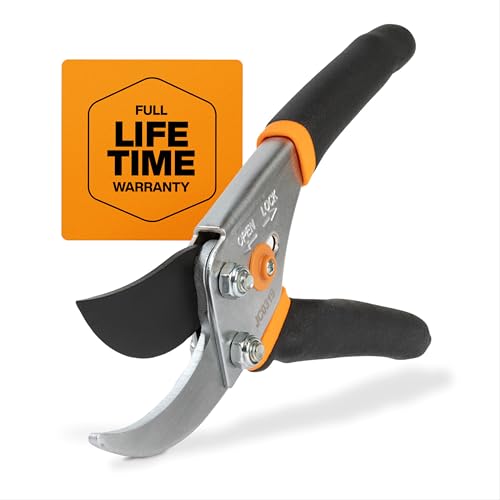
CLEAN CUTS FOR LIVE GROWTH: Bypass blade design is ideal for pruning delicate flower stems and green growth, helping reduce crushing and plant damage while cutting stems and small branches up to 5/8” in diameter
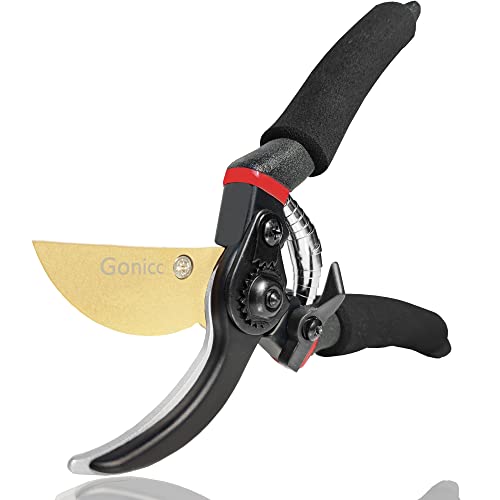
Drop-forged construction delivers exceptional durability and sturdiness for long-term heavy garden use.
Over-Pruning vs. Under-Pruning
Over-pruning removes too much foliage, which weakens the tree and reduces fruit production. Avoid cutting more than 25% of the branches in one season. Under-pruning keeps trees crowded, limiting airflow and sunlight. Aim for a balanced approach: prune just enough to reshape the tree without compromising its health. Adjust your technique based on the age and health of the tree.
Ignoring Tree Growth Patterns
Ignoring how your specific fruit tree grows can lead to ineffective pruning. For instance, apple trees thrive with a central leader, but stone fruits prefer an open-center structure. Learn the natural growth habits of your trees to guide your cuts. Observe the direction branches grow and prune accordingly to maintain a strong framework. Pruning with growth patterns in mind fosters a stronger, healthier tree that produces better fruit.
Conclusion
Pruning your fruit trees in spring is a rewarding task that sets the stage for a bountiful harvest. By following the right techniques and using the proper tools you’ll promote healthy growth and improve fruit production. Remember to assess your trees and tailor your approach based on their specific needs.
Avoiding common mistakes will help ensure your efforts yield the best results. With a little patience and practice you’ll soon find that pruning becomes a satisfying part of your gardening routine. Embrace the process and watch your trees thrive as they respond to your care. Happy pruning!
Frequently Asked Questions
Why is pruning important for fruit trees?
Pruning is crucial for fruit trees as it promotes healthy growth, improves air circulation, and enhances fruit production. By selectively removing branches, you help shape the tree, manage its size, and reduce the risk of diseases and pests, leading to a healthier and more abundant harvest.
When is the best time to prune fruit trees?
The ideal time to prune fruit trees is in spring, as they enter their active growth phase. This timing allows trees to recover quickly from cuts and makes it easier to identify dead or diseased branches, ultimately stimulating new growth and improving fruit yield for the season.
What tools do I need for pruning fruit trees?
Essential tools for pruning fruit trees include pruning shears for small branches, loppers for larger limbs, and a pruning saw for thick branches. A pole pruner can help reach high branches, while a sterilizing solution is important to prevent disease spread during pruning.
What are common mistakes to avoid when pruning?
Common mistakes include over-pruning, which can weaken a tree, and under-pruning, which can limit airflow and sunlight exposure. It’s important to understand the natural growth patterns of your fruit trees to guide effective pruning and ensure you avoid these pitfalls.
How do I assess the health of my fruit trees before pruning?
To assess the health of your fruit trees, check the condition of leaves, inspect branch structure for dead or diseased parts, look for pests, and observe overall growth patterns. A careful evaluation allows you to make informed pruning decisions that promote better tree health.
