

Growing apple trees in Idaho can be rewarding, especially with the right cold-hardy varieties. Selecting the appropriate types ensures a successful harvest even in challenging climates.
Cold-Hardy Apple Varieties for Idaho Growers
Cold-hardy apple varieties thrive in Idaho’s diverse climate, which can include harsh winters and variable temperatures. These apples can withstand freezing conditions while still producing quality fruit. Choosing the right variety is crucial for beginners who want to start their apple-growing journey.
Some popular cold-hardy varieties include:
Honeycrisp
Granny Smith
Haralson
Enterprise
Cold-Hardy Apple Varieties Overview
Idaho’s unique climate presents both challenges and opportunities for aspiring apple growers. Understanding cold-hardy apple varieties is essential for beginners looking to cultivate healthy trees that thrive in colder temperatures. This overview will highlight the best options suited for Idaho’s conditions, ensuring a fruitful harvest for novice gardeners.
When selecting apple trees, understanding their characteristics is essential. The following table summarizes key attributes of popular cold-hardy varieties.
| Variety | Hardiness Zone | Flavor Profile | Harvest Time | Disease Resistance |
|---|---|---|---|---|
| Honeycrisp | 3-7 | Sweet, Crisp | Late Sept | Moderate |
| Granny Smith | 5-8 | Tart, Firm | Early Oct | High |
| Haralson | 3-7 | Tart, Juicy | Late Sept | High |
| Enterprise | 4-8 | Sweet, Spicy | Mid Oct | Very High |
Optimal Planting Conditions for Apple Trees
Understanding the optimal planting conditions for apple trees is crucial for beginners looking to cultivate these cold-hardy varieties in Idaho. Factors such as soil type, sunlight exposure, and climate play significant roles in ensuring healthy growth and fruitful yields. This section will outline the essential conditions needed to successfully establish apple trees in the region.
Planting apple trees requires careful planning to ensure optimal growth. Choose a location with full sun exposure and well-draining soil. Proper spacing between trees allows for air circulation and sunlight penetration.
Follow these steps for successful planting:
Select a well-draining site.
Prepare the soil by tilling and adding organic matter.
Dig a hole twice the width of the root ball.
Place the tree in the hole and backfill with soil.
Water thoroughly to eliminate air pockets.
Apple Tree Care Strategies for Beginners
Caring for apple trees in Idaho requires a solid understanding of the unique climate and soil conditions. For beginners, implementing effective care strategies is crucial to ensure healthy growth and fruitful harvests. This section outlines essential practices that will help novice gardeners nurture their cold-hardy apple varieties successfully.
Maintaining apple trees involves regular care to promote healthy growth and fruit production. Pruning, watering, and pest management are essential components of successful apple cultivation.
Consider these maintenance practices:
Prune trees annually to remove dead or diseased branches.
Water deeply during dry spells, especially in the first few years.
Monitor for pests and diseases, applying organic treatments as necessary.
Recommended Products
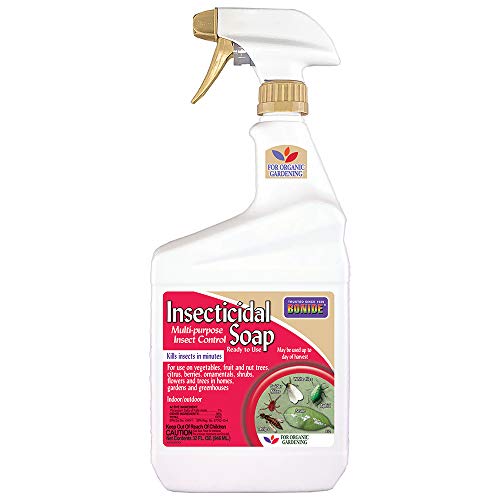
Captain Jack's Insecticidal Super Soap controls species of adelgid, ant, aphid, borer, caterpillar, spider mite, cricket, chinch bug, weevil, fly, thrip, and more

Control diseases and insects in your garden with Captain Jack’s Fruit Tree Spray Concentrate! Use on a variety of listed fruits, nuts and citrus plants.

Control diseases and insects in your garden with Captain Jack’s Fruit Tree Spray Concentrate! Use on a variety of listed fruits, nuts and citrus plants.
Selecting Ideal Rootstock for Idaho Apples
When growing apple trees in Idaho, selecting the right rootstock is crucial for success, especially given the region’s unique climate challenges. The right rootstock can enhance disease resistance, improve cold hardiness, and influence the overall growth and productivity of the trees. Understanding the options available will help beginners make informed choices for a thriving apple orchard.
Selecting the appropriate rootstock is critical for apple tree growth. Rootstocks determine the size, vigor, and disease resistance of the tree.
Common rootstocks include:
M7: Semi-dwarf, good for smaller spaces.
M26: Dwarfing rootstock, ideal for container growing.
B.9: Very dwarfing, promotes early fruiting.
Pest Control Strategies for Organic Apple Trees
Managing pests is crucial for maintaining healthy organic apple trees, especially in Idaho’s unique climate. This section explores effective strategies tailored for beginners, focusing on natural methods that protect your trees while promoting a thriving ecosystem. Understanding these techniques will help you cultivate a fruitful apple orchard with minimal chemical intervention.
Be cautious with chemical treatments. They can harm beneficial insects and disrupt the ecosystem. Always opt for organic solutions whenever possible.
Idaho Climate Impact on Apple Cultivation
Idaho’s unique climate presents both challenges and opportunities for apple cultivation. With its cold winters and warm summers, the state is well-suited for certain cold-hardy apple varieties. Understanding how these climatic conditions affect growth and fruit production is essential for beginners looking to successfully grow apple trees in Idaho.
Idaho’s climate can vary significantly throughout the year. Understanding seasonal changes helps in planning for planting and harvesting.
Key seasonal tips include:
Spring: Ideal for planting new trees.
Summer: Focus on watering and pest control.
Fall: Time for harvesting and preparing trees for winter.
Cold-Hardy Apple Selection for Beginners
Choosing the right apple varieties is crucial for beginners in Idaho’s unique climate. Cold-hardy apples not only thrive in the state’s chilly winters but also produce delicious fruit. This section highlights the best options for novice growers looking to cultivate successful apple trees in their gardens.
Cold-hardy apple varieties offer a great opportunity for beginners in Idaho. By selecting the right varieties and following proper care practices, you can enjoy a fruitful harvest year after year.
